
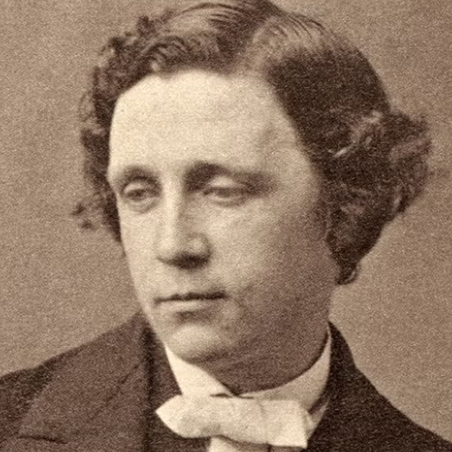
Understanding the author behind beloved classics like “Alice in Wonderland” enhances the reading experience and offers insights into the themes and creativity behind the work. Lewis Carroll, the pen name of Charles Lutwidge Dodgson, created a whimsical world that continues to captivate audiences of all ages. Exploring Carroll’s life and influences not only enriches our appreciation of his literature but also reveals the uniqueness of his perspective on reality and imagination.
Early Life and Education
Lewis Carroll was born on January 27, 1832, in Daresbury, England. He was the oldest of eleven children in a close-knit family, which significantly influenced his childhood experiences and storytelling. Carroll excelled at mathematics and literature at Christ Church, Oxford, earning a degree in mathematics and later becoming a lecturer. This academic background profoundly shaped his writing style and thematic choices, incorporating elements of logic, puzzles, and nonsensical language.
Inspiration for Alice
The character of Alice was inspired by a real girl named Alice Liddell, the daughter of Henry Liddell, the Dean of Christ Church. During a boating trip in 1862, Carroll entertained young Alice and her sisters with a story that would eventually become the foundation for “Alice’s Adventures in Wonderland.” His imaginative approach and playful use of language stemmed from his desire to engage with children’s perspectives and fantasies. This blend of reality and imagination became a hallmark of Carroll’s work, inviting readers into a world of whimsy.
Legacy and Influence
Lewis Carroll’s influence extends far beyond literary circles; his work has inspired countless adaptations in film, theater, and art. “Alice in Wonderland,” with its rich symbolism and complex character dynamics, serves as both a children’s tale and a philosophical exploration of identity and perception. Carroll’s playful yet poignant storytelling has encouraged generations to question the boundaries of reality and to embrace the imagination. Today, his legacy remains significant in discussions about literature, childhood, and creativity.
In conclusion, Lewis Carroll’s life and works invite readers to explore the depths of imagination and the joys of storytelling. By delving into his background and inspirations, one can better appreciate the complexities woven into “Alice in Wonderland.” For those intrigued by his enchanting narratives, further exploration of Carroll’s writings and his impact on literature is highly encouraged.