
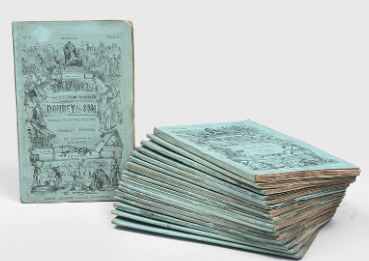
Charles Dickens is one of the most celebrated authors in English literature, and much of his work was published in serialized form. This approach had significant implications not only for his writing process but also for the reading public. Understanding why Dickens chose this format reveals much about both his creative strategies and the cultural context of the 19th century.
1. The Economic Benefits of Serialization
One of the primary reasons Dickens published his novels in parts was the financial incentive. During the Victorian era, the publishing industry was evolving, and serialization offered authors a way to secure readers’ interest before the complete story was available. By breaking the novel into smaller segments, Dickens could sell each installment as a standalone issue in a magazine or pamphlet, ensuring a steady flow of income.
This method of publication not only allowed Dickens to earn a living but also enabled readers from various social classes to access literature more easily. For instance, serialized novels often appeared in magazines targeting a broad audience. As a result, even those with limited means could purchase a single installment without needing to buy an entire book.
-
- Consider how publishing trends have changed over time.
-
- Explore economic implications of serialized literature.
-
- Note the sections of Dickens’s works that gained the most popularity.
-
- Research other authors who used serialization successfully.
2. Engaging Readers with Cliffhangers
Serialization allowed Dickens to develop intricate narratives filled with suspense, characterized by cliffhangers at the end of each part. This strategy was effective in capturing the audience’s imagination, compelling them to eagerly await the next installment. By leaving readers in suspense, Dickens ensured that his works maintained a high level of engagement throughout the publication process.
For example, in “Great Expectations,” the chapter endings are often loaded with tension or unresolved conflicts, making it hard for readers to resist following the story further. The anticipation built from one part to the next created a community of readers who would discuss the latest happenings, thus increasing word-of-mouth promotion for his works.
-
- Identify elements of suspense in Dickens’s novels.
-
- Check how different openings for each part varied in theme.
-
- Analyze the reactions of readers upon the release of each part.
-
- Join or create a reading group to discuss Cliffhangers and suspense!
3. Shaping the Story Through Audience Feedback
Another unique aspect of serial publication was the opportunity for Dickens to receive feedback from his readers before completing his narrative. By observing audience reactions to various characters and plot twists, he could modify the upcoming segments to better align with readers’ expectations and preferences. This dynamic relationship between author and audience provided an interactive aspect to literature that was rare at the time.
For instance, when readers expressed dissatisfaction with certain characters, Dickens sometimes responded by altering their fates or enhancing their roles in subsequent installments. This not only improved reader satisfaction but also increased the likelihood of them recommending the work to others, creating a more extensive reach for his novels.
-
- Look for moments in Dickens’s work where characters change based on public sentiment.
-
- Consider the value of reader engagement for writers today.
-
- Explore how modern authors use social media for feedback.
-
- Think about ways you can interact with your reading audience.
4. The Cultural Context of the 19th Century
The Victorian period was marked by a growing middle class with increasing leisure time, leading to a boom in leisure reading. This cultural shift made serialized stories particularly appealing; they were accessible and digestible in smaller portions. Dickens’s serialized novels catered to this demographic, allowing readers to indulge in prolonged storytelling while balancing their busy lives.
Contributing to this environment was the rise of popular periodicals and magazines in England. Titles like “Household Words,” which Dickens himself edited, provided a platform for serialization. Readers eagerly anticipated each new installment, creating a communal experience that was distinctly different from contemporary book releases.
-
- Research the role of periodicals in 19th-century literature.
-
- Reflect on how cultural shifts influence publishing today.
-
- Engage with online platforms that feature serialized reading.
-
- Discuss cultural factors that could inspire modern authors.
In conclusion, Dickens’s choice to publish novels in parts was a strategic move that provided economic benefits, engaged readers, and allowed for creative flexibility. Understanding these motivations sheds light on the genius of Dickens, offering valuable lessons for contemporary authors and readers alike. Whether you’re a budding writer or a literature enthusiast, exploring the context and practices of serial publication can deepen your appreciation of literary works.