
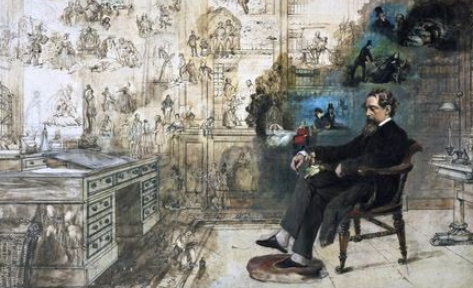
Charles Dickens is renowned for his vivid storytelling and memorable characters. But what makes these characters resonate so deeply with readers even today? In this blog post, we will explore the compelling traits that bring Dickens’s characters to life and examine how they evoke emotions and connections.
1. Rich Backstories
One of the most significant factors contributing to the authenticity of Dickens’s characters is their rich and detailed backstories. Each character is not just a plot device; they have histories, motivations, and personal challenges that inform their actions. For example, Oliver Twist is not merely an orphan; he is a survivor shaped by a harsh upbringing that compels readers to empathize with him.
These backstories make the characters multidimensional and relatable. They often face hardships that mirror the struggles of real life, allowing readers to see reflections of their own experiences. From Ebenezer Scrooge’s transformation due to past regrets to the struggles of Pip in “Great Expectations,” Dickens uses backstories to create emotional depth.
-
- Look for details in character backgrounds that reveal motivations.
-
- Think about how each character’s upbringing shapes their decisions.
-
- Identify key experiences that influence their perspectives.
-
- Reflect on how these backstories drive the narrative forward.
2. Distinctive Characteristics
Another aspect that makes Dickens’s characters feel real is their distinctive characteristics, both physical and emotional. Whether it’s the hapless yet optimistic Mr. Micawber or the cold-hearted Fagin, each character is uniquely crafted with features and quirks that make them memorable. Dickens gives them idiosyncratic habits and catchphrases that enhance their individuality, making it easy for readers to visualize and remember them.
This vivid characterization allows readers to form an emotional bond. The appeal often lies in the eccentricities and flaws that reflect our humanity—characters like the good-hearted yet comically foolish Mr. Pickwick or the cunning yet lovable Uriah Heep remind us of the complexities of human nature. Their flaws make them relatable and encourage readers to see parts of themselves in these characters.
-
- Take note of each character’s physical traits and how they relate to their personality.
-
- Observe the character’s unique phrases or habits.
-
- Think about how these traits; affect their decisions and relationships.
-
- Consider how flaws make a character more relatable and multidimensional.
3. Social Commentary
Dickens’s characters often serve as vessels for social commentary, reflecting the socioeconomic landscape of Victorian England. This relevancy to modern issues brings them to life, showcasing the struggles of the poor, the corruption of the wealthy, and everything in between. For instance, in “Hard Times,” characters like Stephen Blackpool illustrate the plight of the working class, prompting readers to think about social justice and moral integrity.
These social narratives resonate with readers beyond the text. They highlight the human condition, emphasizing that the struggles faced by Dickens’s characters are not just historical but also contemporary. By framing societal issues through his character’s experiences, Dickens evokes a sense of understanding and desire for change in readers.
-
- Identify themes of social injustice or inequality in Dickens’s stories.
-
- Reflect on how these themes are represented through the characters.
-
- Think about modern parallels and how they relate to Dickens’s narratives.
-
- Discuss opinions on how these issues manifest in today’s society.
4. Emotional Transformation
Many of Dickens’s characters undergo significant emotional transformations, which is essential in making them feel alive. The journey from victim to hero, as seen with Scrooge in “A Christmas Carol,” is filled with moments of introspection and realization that allow readers to connect on a personal level. This transformation makes the characters’ experiences relatable and meaningful.
The emotional arcs create a resonance with readers who may experience similar transformations in their own lives. When Dickens’s characters confront their fears or challenge their beliefs, it mirrors the struggles each person faces, forging a bond that transcends time. This emotional stakes heighten the reader’s investment in the characters’ journeys, making each resolution feel gratifying.
-
- Consider character development arcs and how they evolve over time.
-
- Think about defining moments that trigger emotional change.
-
- Reflect on how witnessing transformations can impact your perspective.
-
- Discuss emotional growth in other literature and its importance.
In conclusion, Dickens’s characters resonate with readers through their compelling backstories, distinctive traits, social commentary, and emotional transformations. Each aspect contributes to their authenticity, making them feel real and relevant. Delve into Dickens’s works and observe these intricacies for yourself; you may find new layers that enhance your reading experience and spark personal reflections.