
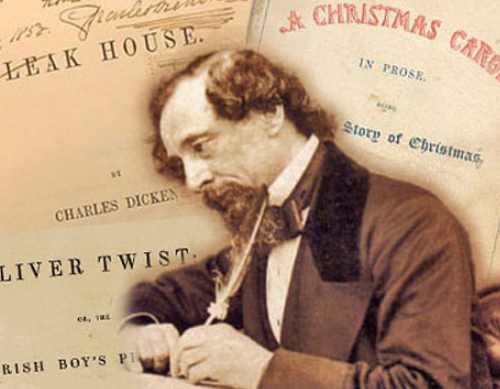
Charles Dickens is renowned for his rich narratives, vividly drawn characters, and intricate plots that often extend across multiple storylines. His love for long and complex plots isn’t merely a stylistic choice; it reflects a deep understanding of human experience and societal issues. In this post, we’ll explore why Dickens favored such elaborate storytelling techniques and how they contribute to his lasting impact on literature.
1. Exploring the Complexity of Human Nature
One of Dickens’ primary motivations for employing complex plots was his desire to delve into the intricacies of human nature. He understood that life is seldom straightforward and often filled with unexpected twists and turns. Dickens’ characters are often representatives of broader social issues, and their layered experiences resonate with readers on various levels. For instance, in “Great Expectations,” we follow Pip through his journey of growth, shaped by an array of influential figures and their intertwined stories, thereby reflecting the complexities of aspiration and societal expectation.
By weaving various narratives together, Dickens allows readers to see not just the protagonist’s viewpoint, but also the backgrounds and motivations of secondary characters. This multidimensional approach enriches the narrative, allowing readers to empathize with various circumstances and moral dilemmas. Dickens’ detailed character studies contribute to the depth of his plots, making them much more than simple tales; they become explorations of authenticity, struggle, and redemption.
-
- Take time to analyze character motivations.
-
- Connect characters’ backgrounds to plot developments.
-
- Include diverse perspectives in storytelling.
-
- Layer your narrative to reflect human complexity.
2. Reflecting Social Realities and Issues
Dickens was not only a master of plot complexity but also an astute social commentator. The society he lived in was fraught with inequality, poverty, and injustice, and he used elaborate plots to highlight these pressing issues. In “Oliver Twist,” for example, the story navigates through the harsh realities of orphanhood and the criminal underworld, bringing attention to societal neglect of vulnerable populations.
The multipronged narratives in his works allow readers to engage with the social realities of his time. Dickens places his characters in various contexts—rich and poor, educated and ignorant—allowing for a broader examination of social structures and their impacts. This layered storytelling technique helps in fostering a sense of empathy and urgency around the issues he addresses, urging readers to reflect on their own social responsibility and the potential for change.
-
- Research the historical and social context of your narrative.
-
- Incorporate social issues into character backstories.
-
- Use plots to challenge societal norms.
-
- Aim for emotional impact when addressing social themes.
3. Creating Anticipation and Engagement
Another reason Dickens favored long and intricate plots was their ability to create suspense and maintain reader engagement. His narratives often involve cliffhangers and intertwined storylines that compel readers to keep turning the pages. For example, “A Tale of Two Cities” employs suspense masterfully, with the fate of characters hanging in the balance throughout its multiple layers of intrigue and political tension.
The anticipation built through Dickens’ storytelling allows for a deeper emotional investment in his characters’ journeys. Readers are often left pondering what will happen next or how seemingly disparate storylines will connect, enhancing engagement. Additionally, character arcs often evolve against the backdrop of complex plots, leading to satisfying resolutions that feel hard-earned, both for the characters and for the audience.
-
- Include elements of surprise and cliffhangers.
-
- Develop parallel storylines that eventually converge.
-
- Utilize pacing to maintain suspense throughout the narrative.
-
- Engage readers’ emotions by connecting them deeply with characters.
4. Enriching Themes Through Complexity
Lastly, Dickens’ intricate plots serve as a vehicle for exploring rich and varied themes. His longer narratives allow for a more profound examination of moral dilemmas, personal growth, and societal critique. In “David Copperfield,” the length and complexity of the plot give ample space to explore themes of identity, resilience, and the journey towards personal fulfillment.
By retaining multiple layers of meaning, Dickens encourages readers to think critically about the themes presented. Complex plots allow for ambiguities and contradictions that reflect real-life uncertainties, enabling a richer conversation about morality, justice, and human behavior. The intricacy of his plots invites readers to explore not just the surface story, but the deeper implications behind each action and outcome.
-
- Identify key themes you wish to incorporate.
-
- Use character conflicts to illustrate your themes.
-
- Allow for ambiguity to mirror complex realities.
-
- Encourage readers to draw their own conclusions from the narrative.
In conclusion, Charles Dickens’ love for long and complex plots stems from his desire to explore human nature, reflect on social issues, create anticipation, and enrich thematic elements. His narrative techniques invite readers into a multifaceted world that mirrors both the complexities of life and the intertwined destinies of its characters. As you contemplate your own storytelling, consider how you can build complex plots that engage readers and illuminate deeper truths about humanity.