
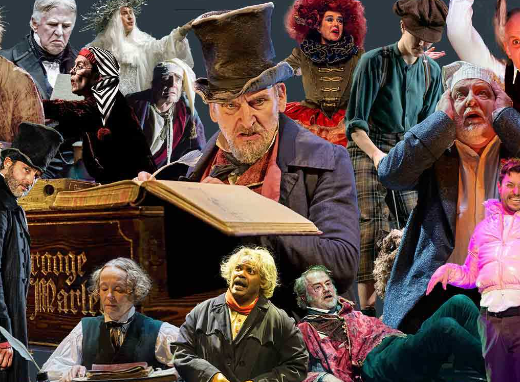
Charles Dickens, one of the most celebrated authors of the Victorian era, had an undeniable penchant for large casts of characters in his novels. This distinctive style not only enriched his storytelling but also offered a kaleidoscopic view of society. Let’s delve into why Dickens found such great value in populating his narratives with a multitude of characters.
1. Reflecting Society’s Complexity
One of the most striking reasons Dickens embraced large casts of characters is their ability to represent the complexity of society. The 19th-century British landscape was diverse, teeming with individuals from various classes and walks of life. In novels like “Oliver Twist” and “Great Expectations,” readers meet a plethora of characters ranging from the wealthy to the destitute. This variety illustrates the stark contrasts and social injustices prevalent during Dickens’s time.
Moreover, Dickens often used specific characters to symbolize broader issues. For instance, in “Hard Times,” he uses Mr. Gradgrind to critique the education system, while Stephen Blackpool embodies the struggles of the working class. By populating his works with diverse figures, he paints a vivid picture of societal challenges, encouraging readers to reflect on their world.
-
- Read multiple Dickens novels to understand various social perspectives.
-
- Reflect on the societal issues represented through different characters.
-
- Discuss the relevance of these characters in today’s context.
-
- Research the historical background of Dickens’s time for deeper comprehension.
2. Exploring Character Dynamics
Another key aspect of Dickens’s large cast approach lies in the dynamics between characters. The interpersonal relationships—whether friendships, rivalries, or family ties—add layers of complexity to the narrative. For example, in “A Tale of Two Cities,” the relationships between Charles Darnay, Sydney Carton, and Lucie Manette highlight themes of sacrifice and redemption. These intricate interactions drive the plot forward while exploring deep emotional and moral questions.
Furthermore, the contrast between characters often serves to illuminate their individual traits. In “David Copperfield,” the optimistic David is juxtaposed with the cynical Uriah Heep, underscoring different attitudes toward ambition and morality. Dickens cleverly uses these character dynamics to engage readers, prompting them to think critically about the relationships that shape their own lives.
-
- Analyze the character dynamics in your favorite Dickens novel.
-
- Consider how these interactions enhance the plot.
-
- Discuss the moral lessons derived from character relationships.
-
- Create a character map to visualize the connections.
3. Enhancing Plot Development
Large casts of characters also provide rich opportunities for plot development. By introducing multiple storylines, Dickens can weave complex narratives that engage readers’ attention. In “Bleak House,” for example, various characters are intertwined within the overarching theme of the court case Jarndyce vs. Jarndyce, showcasing how personal lives are affected by legal and societal systems. This interconnectedness keeps readers invested in multiple outcomes.
Additionally, different characters can be used to introduce subplots that add depth to the main narrative. Dickens often employs humor or tragedy through side characters to enhance the overall tone of the story. The quirky, eccentric characters that populate “The Pickwick Papers” serve to lighten heavy themes, creating a well-rounded reading experience.
-
- Identify key plot developments in relation to character actions.
-
- Note how subplots complement the main story arc.
-
- Explore how humor and tragedy balance each other in Dickens’s works.
-
- Discuss the implications of intertwined storylines with others.
4. Creating Memorable Characters
Lastly, Dickens is known for his larger-than-life characters, many of whom remain etched in literary history. The abundance of characters allows him to explore diverse human traits—be they flaws, virtues, or quirks. Characters like Fagin from “Oliver Twist” and Miss Havisham from “Great Expectations” are not only memorable but also serve to provoke thought and discussion about morality and societal norms.
These well-crafted characters become the focal point, capturing readers’ imaginations. With their distinct personalities and backgrounds, they often resonate long after the story concludes. The sheer variety in Dickens’s characterizations invites readers to find someone they can relate to or learn from, deepening their emotional engagement with the text.
-
- Create a list of your favorite Dickens characters and explain why they resonate.
-
- Analyze the traits that set these characters apart.
-
- Discuss how Dickens’s characterizations reflect his views on society.
-
- Explore how modern literature compares character creation to Dickens’s style.
In conclusion, Dickens’s love for large casts of characters stems from his desire to reflect society’s complexity, explore dynamic relationships, enhance plot development, and create memorable figures. Reading his novels not only provides entertainment but also deepens our understanding of human nature and societal challenges. Dive into one of Dickens’s works today and discover the rich world he has crafted for readers to explore.