
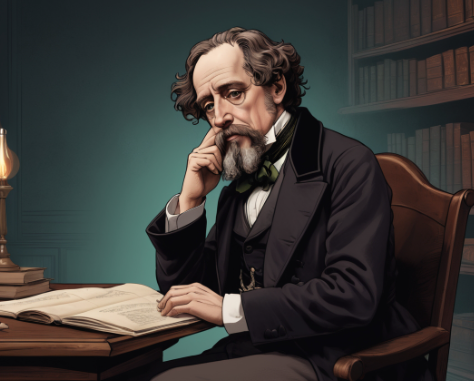
Charles Dickens remains one of the most celebrated authors in literary history, with novels that continue to resonate with readers today. His timeless works, filled with rich characters and social commentary, provide valuable insights into the human experience. This blog post will explore what makes Dickens’s novels enduringly relevant and cherished.
1. Complex Characters
One of the defining features of Dickens’s novels is his creation of complex, multi-dimensional characters. Characters like Ebenezer Scrooge from “A Christmas Carol” and Oliver Twist from “Oliver Twist” aren’t just archetypes; they embody a range of human emotions, strengths, and flaws. Dickens skillfully crafts these personalities to elicit empathy, allowing readers to identify with their struggles and triumphs, regardless of the time period.
For instance, Scrooge begins as a miserly old man indifferent to the plight of others, but as he undergoes a transformative journey, readers witness his gradual evolution. This character arc illustrates universal themes of redemption and the importance of compassion, inviting readers to reflect on their own lives. The ability to relate to characters like Scrooge makes Dickens’s narratives timeless.
-
- Create relatable conflicts in character arcs.
-
- Incorporate moral dilemmas that prompt reflection.
-
- Use vivid descriptions to bring characters to life.
-
- Allow characters to evolve through their experiences.
2. Social Commentary
Another key element that lends timelessness to Dickens’s work is his incisive social commentary. Dickens lived during a time of significant social change in England, particularly during the Industrial Revolution. His novels often highlight the disparities between the wealthy and the poor, drawing attention to issues like child labor, poverty, and injustice. This social critique resonates even in today’s context, where many of these issues persist.
A notable example of this is found in “Hard Times,” where Dickens critiques the dehumanizing nature of industrialization. The characters often represent different societal perspectives, allowing readers to understand the broader implications of economic systems on individual lives. Dickens’s ability to weave social issues into engaging narratives ensures that his works continue to speak to contemporary readers who face similar struggles.
-
- Identify social issues relevant to today’s context.
-
- Research historical events that your audience may connect with.
-
- Integrate character experiences that reflect these themes.
-
- Encourage readers to discuss and reflect on these issues.
3. Vivid Storytelling and Themes
Dickens’s storytelling is exceptionally rich and immersive. He employs elaborate settings and intricate plots that keep readers engaged while addressing profound themes such as love, family, justice, and the fight against oppression. His vivid descriptions and masterful use of language create an atmosphere that transports readers into his world, making it easy for them to become emotionally invested in the narrative.
Moreover, themes like the triumph of good over evil and the importance of friendship are woven throughout his stories. In “A Tale of Two Cities,” for example, the theme of sacrifice is exemplified through Sydney Carton’s ultimate act of heroism. These universal themes resonate across generations, inviting readers to find meaning and inspiration in their applicability to modern life.
-
- Experiment with different storytelling techniques.
-
- Develop clear and relatable themes for your audience.
-
- Use descriptive language to build immersive settings.
-
- Include plot twists that keep readers engaged.
4. Emotional Resonance
Another reason Dickens’s novels remain relevant is the emotional resonance they encapsulate. Dickens had a remarkable ability to evoke feelings of joy, sorrow, fear, and hope. His stories often touch on the depth of human emotion, capturing the essence of shared experiences that audiences can relate to on a personal level. Readers often find themselves laughing, crying, and reflecting as they navigate his narratives.
Take “Great Expectations,” for example, where Pip’s journey from innocence to experience is filled with emotional highs and lows. Readers connect with his challenges and desires, feeling a sense of solidarity in his quest for self-discovery. The emotional depth that Dickens infuses into his characters and plots enhances the timelessness of his work; readers can find consolation, understanding, and even a call to action through the emotions portrayed.
-
- Incorporate emotional conflicts that challenge characters.
-
- Allow readers to experience joy and sorrow through the narrative.
-
- Create relatable situations that evoke strong feelings.
-
- Encourage reflection on emotional responses in discussions.
5. Engaging Narrative Style
Lastly, Dickens’s unique narrative style contributes significantly to the timelessness of his novels. His knack for suspense and humor creates an engaging reading experience, often making complex topics accessible through entertaining prose. Dickens’s witty observations and playful language invite readers into his world and keep them captivated from start to finish.
<pAdditionally, employing techniques such as cliffhangers, foreshadowing, and even whimsical elements enriches the reading experience. Novels like “David Copperfield” showcase his masterful storytelling, balancing humor with serious issues. This engaging narrative style ensures that readers remain invested, making his books perfect for both casual reading and academic study.
-
- Use humor to lighten heavy topics.
-
- Employ various narrative techniques to create interest.
-
- Maintain a steady pace to keep readers engaged.
-
- Allow for moments of reflection through narrative pauses.
In conclusion, the attributes that make Dickens’s novels timeless—complex characters, social commentary, vivid storytelling, emotional resonance, and engaging narrative style—continue to captivate readers today. Exploring his works offers an opportunity to reflect on our own lives and society. So why not pick up a Dickens novel and embark on a journey through his richly crafted worlds? You’ll likely find that his stories still hold immense relevance and meaning today.