
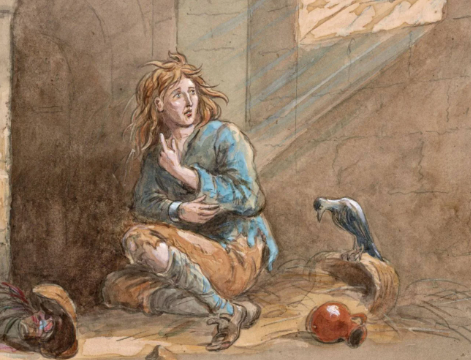
Charles Dickens is renowned for his intricate narratives and memorable characters, but one theme stands out prominently throughout his work: redemption. This concept permeates his novels, illustrating the human capacity for change, growth, and forgiveness. Let’s delve deeper into how Dickens articulates the theme of redemption in his fiction.
1. The Transformative Power of Love
One of the most notable examples of redemption through love in Dickens’s work can be found in “A Tale of Two Cities.” The character of Sydney Carton undergoes a profound transformation driven by his love for Lucie Manette. Initially portrayed as a dissolute alcoholic lacking purpose, Carton’s unrequited love inspires him to make the ultimate sacrifice for her happiness. His redemption arc not only underscores the power of love to inspire change but also reflects his deeper understanding of self-worth.
Another compelling illustration is in “Great Expectations,” where Pip’s evolving relationship with Estella becomes the catalyst for his redemption. At first consumed by social status and material ambitions, Pip learns humility and compassion through his love for Estella. By the end of the narrative, Pip’s realization that true worth comes from character rather than wealth shows how love can lead to self-discovery and redemption.
-
- Reflect on how love impacts your personal growth.
-
- Identify relationships that inspire positive change in your life.
-
- Consider the sacrifices love may require for your redemption.
-
- Communicate openly with loved ones about your transformation journey.
2. The Role of Forgiveness
Forgiveness is another crucial pathway to redemption in Dickens’s novels, as exhibited in “David Copperfield.” The character of Uriah Heep, who initially wreaks havoc in David’s life, ultimately receives forgiveness. This act not only allows David to free himself from Uriah’s manipulations but also serves as a testament to the strength that forgiveness can impart on the forgiver. He learns that holding onto resentment can hinder personal growth, creating a metaphor for how forgiveness can lead to liberation and healing.
In “Oliver Twist,” the theme of forgiveness is similarly explored through the character of Oliver. His ability to forgive those who wrong him reflects his innate goodness and resilience. Even when faced with treachery and betrayal, his optimistic outlook allows him to transcend his circumstances, showcasing the possibility of redemption for both himself and those who seek his friendship. Dickens paints a picture that forgiveness is not just for the offenders but equally healing for the victims.
-
- Acknowledge who you need to forgive in your life.
-
- Reflect on how holding onto grudges affects your personal growth.
-
- Practice self-forgiveness to move forward.
-
- Seek resolution through open dialogues with those who have hurt you.
3. Social Critique and Redemption
Dickens’s social commentary often provides insight into how systemic issues impact individual redemption. In “Hard Times,” the character of Stephen Blackpool represents the struggles of the working class. Although Stephen faces immense hardship, his unwavering morals and empathy serve as his pathway to redemption. Through his story, Dickens illustrates how societal structures can obstruct personal growth but also emphasizes the importance of maintaining one’s values amidst adversity.
Similarly, in “Bleak House,” the character of Jo personifies how society can hinder redemption. Despite his lowly position, Jo’s unconditional kindness sparks something noble in others, suggesting that even in dire circumstances, one can choose to act compassionately. Dickens’s focus on social justice beckons readers to address systemic issues while allowing for individual reform, creating a balanced narrative of redemption that resonates with broader societal implications.
-
- Examine the societal structures affecting your community.
-
- Identify ways you can contribute to positive social change.
-
- Promote kindness and compassion in your interactions.
-
- Engage in discussions about societal reform to spark ideas for redemption.
4. The Journey Toward Self-Discovery
In “Great Expectations,” Pip’s journey is emblematic of the search for identity and redemption. Initially filled with aspirations driven by others’ expectations, Pip’s journey leads him to discover his authentic self. This journey is not without its struggles, and each experience serves as a stepping stone toward personal redemption. By the novel’s end, Pip learns that true fulfillment lies not in the wealth he sought but in the relationships and values he nearly sacrificed along the way.
This theme of self-discovery is also mirrored in “Little Dorrit,” which explores Amy Dorrit’s life as she navigates the complexities of her identity in a world influenced by wealth and class. Despite her challenging upbringing, Amy’s integrity and compassion allow her to emerge as a figure of strength. Dickens illustrates that the journey towards self-discovery often includes reevaluation of one’s values, highlighting that redemption is possible through self-awareness and growth.
-
- Set personal goals that align with your true self.
-
- Continuous learning and self-reflection can help clarify your journey.
-
- Surround yourself with individuals who encourage authenticity.
-
- Document your experiences to track your growth and transformations.
In conclusion, Charles Dickens masterfully illustrates the theme of redemption through diverse characters and narratives. His timeless stories remind us that love, forgiveness, social critique, and self-discovery are crucial components of the redemptive journey. As you explore these themes in your life, reflect on how you can foster your own growth and embrace the transformative power of redemption.