
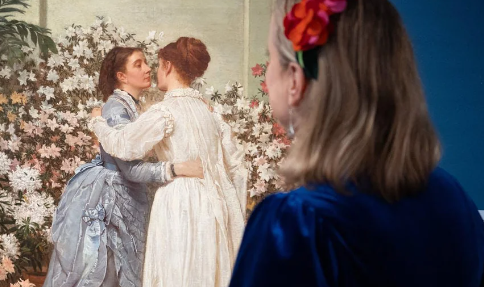
Charles Dickens is renowned for his vivid characters and intricate plots, but the role of women in his novels offers a rich tapestry of insight into Victorian society. Through a variety of female figures, Dickens highlights issues of gender, class, and morality. His portrayal of women sparks important conversations about their position and influence in a rapidly changing world.
1. The Representation of Domesticity
In many of Dickens’s works, women are often depicted within the confines of the domestic sphere, representing the ideals of motherhood and virtue. Characters like Clara Peggotty in “David Copperfield” exemplify the nurturing, self-sacrificing woman, who is often seen as the moral compass of the family unit. However, Dickens also exposes the limitations of domestic life, underscoring the struggles women face in this restricted environment.
For instance, in “Great Expectations,” the character of Estella is raised in a home devoid of warmth and affection, illustrating how the domestic space can sometimes be a prison rather than a sanctuary. Dickens thus uses the theme of domesticity to critique the societal expectations placed on women, encouraging readers to question the very notion of a woman’s place in society.
-
- Reflect on how your own domestic life influences your perspective.
-
- Consider the roles of women in your community and their impact.
-
- Discuss the evolution of domestic roles in contemporary society.
-
- Analyze character motivations and how they relate to societal constraints.
2. The Complexity of Female Characters
One of the most striking aspects of Dickens’s women is their complexity. Unlike one-dimensional figures, characters such as Nancy in “Oliver Twist” and Fagin’s gang provide a nuanced perspective on female experiences within the underbelly of society. Nancy is a pivotal character who balances her loyalty to Bill Sykes with her maternal instincts towards Oliver, creating a dynamic interplay of emotion and morality.
This complexity serves to humanize women in a way that transcends their societal roles. Dickens crafts multifaceted characters who experience love, betrayal, and resilience, encouraging readers to empathize with their struggles and triumphs. Through these representations, he champions the idea that women are not just victims of their circumstances, but active agents in their own stories.
-
- Examine the motivations behind each female character’s actions.
-
- Discuss how their experiences reflect the societal norms of their time.
-
- Consider how Dickens challenges stereotypes through complex portrayals.
-
- Reflect on the emotional depth of female characters in literature.
3. Social Reform and the Empowerment of Women
While Dickens often presents women in traditional roles, he simultaneously advocates for social reform and women’s empowerment. In “Hard Times,” for instance, the character of Louisa Gradgrind grapples with the consequences of an education system that stifles emotional growth. Her journey reveals the necessity for women to break free from the constraints of societal expectations and pursue their own identities.
Dickens uses his platform to critique the limited opportunities available to women, pushing for a broader understanding of gender equality. He champions the notion that education, personal growth, and social reform are crucial for a woman’s empowerment, thus portraying women not purely as reflections of their domestic roles, but as individuals capable of change and influence.
-
- Encourage discussions on women’s rights and societal reform.
-
- Promote educational opportunities for young women today.
-
- Analyze which of Dickens’s messages remain relevant in modern society.
-
- Support initiatives that empower women in your community.
4. The Evolution of Female Characters Across Dickens’s Works
The evolution of Dickens’s female characters can be traced throughout his career, marking a shift in how women are portrayed as the narratives unfold. In his earlier works, women often represent idealized notions of femininity, such as innocence and virtue, but as Dickens matures as a writer, he begins to present a wider range of experiences. For instance, characters like the resolute and independent Pip’s love interest, Estella, offer insight into the shifting social dynamics of the time.
Moreover, Dickens started to explore themes of resilience and rebellion among women, particularly in his later novels. The struggles of characters like Flora Finching in “Little Dorrit” showcase the pressures of societal expectations while also hinting at the complexities of feminine identity. This evolution reflects a growing acknowledgment of women’s multifaceted roles in both literature and society.
-
- Compare early and late Dickens female characters for similarities and differences.
-
- Analyze how his perspective on women reflects societal changes.
-
- Investigate how female character development enhances overall narratives.
-
- Explore how Dickens’s portrayal of women influenced subsequent literature.
In conclusion, the role of women in Dickens’s novels is a testament to the evolving understanding of gender in Victorian society. From representations of domesticity to complex character studies, Dickens challenges societal norms and advocates for female empowerment. As we navigate our own understanding of gender roles today, Dickens’s insights remain both relevant and thought-provoking.