
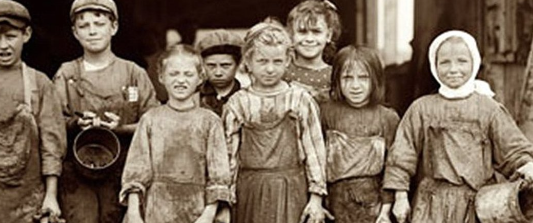
Charles Dickens has captivated readers for generations with his vivid portrayals of life in the 19th century. A particularly recurring theme in his novels is the presence of orphans, who symbolize innocence, resilience, and the struggle for a better life.
1. The Symbolism of Orphans in Dickens’s Work
In Dickens’s narratives, orphans often embody the societal injustices of his time. Characters like Oliver Twist and Pip from “Great Expectations” serve as lenses through which readers can explore the harsh realities of poverty, cruelty, and class struggle. Their journey from despair to hope often mirrors the struggles of the underprivileged during the Victorian era.
This symbolism extends beyond their mere status as orphans; it critiques the social systems that fail them. Dickens uses their plight to expose the exploitation inherent in institutions designed to offer protection, thus making a compelling argument for social reform.
-
- Understand the historical context of Victorian England.
-
- Look for parallels between orphan characters and real-life social issues.
-
- Analyze how their journeys evolve throughout the narratives.
-
- Consider the implications of their relationships with adult figures.
2. Characteristics that Define Dickens’s Orphans
Dickens’s orphans possess a set of characteristics that make them particularly relatable and admirable. They are often portrayed as resilient, kind-hearted, and inherently good, despite the challenging circumstances they endure. This stark contrast between their innate goodness and the surrounding cruelty highlights their role as moral beacons in a corrupted world.
These characters often find solace in companionship, forming bonds with others who share similar struggles. The friendships they cultivate serve as a source of strength, emphasizing the importance of community and support in overcoming adversity.
-
- Identify key traits in characters like Oliver and Pip.
-
- Assess how these traits drive the plot and influence other characters.
-
- Explore the relationships they build as critical to their development.
-
- Reflect on how their goodness impacts others in the story.
3. The Journey of Redemption and Hope
A significant theme in Dickens’s depiction of orphans is their journey toward redemption and hope. For instance, Oliver’s eventual rescue from a life of crime and poverty showcases the possibility of transformation despite bleak circumstances. This narrative arc provides a sense of optimism that resonates with readers and underscores Dickens’s belief in the potential for change.
The notion of redemption is often linked to the idea of discovering one’s true self and finding a family—whether biologically or chosen. This resonates deeply with the audience, offering a hopeful message that no matter how dire the situation, support and love can lead to a brighter future.
-
- Examine the turning points in the lives of orphan characters.
-
- Discuss the importance of secondary characters in fostering redemption.
-
- Analyze how hope is woven into the narrative structure.
-
- Consider the messages these journeys convey to readers.
4. The Impact of Institutional Failures on Orphans
Dickens often critiques the institutions that are supposed to protect orphans but frequently fail them. The workhouses, orphanages, and other societal structures are depicted as harsh and dehumanizing. For instance, in “Oliver Twist,” the workhouse symbolizes the complete disregard for individual dignity, trapping children in a cycle of poverty and abuse.
This criticism of societal institutions is not mere anger; it’s a call to action. Dickens’s portrayal compels readers to acknowledge these failures and advocate for systemic changes. The dismal lives of his orphan characters highlight the need for compassion and reform in social systems.
-
- Research historical conditions of orphanages during Dickens’s time.
-
- Discuss the impact of these institutions on character development.
-
- Analyze how literary critiques can illuminate real-world issues.
-
- Encourage conversations about current social institutions for children.
5. Lessons from Dickens’s Orphan Narratives
The stories of orphans in Dickens’s works are rich with lessons about resilience, community, and the quest for justice. They teach readers about the importance of empathy and understanding in a world often filled with harsh realities. One of the overarching messages in Dickens’s narratives is that kindness can change lives, symbolized by the friendships formed by the orphans.
Additionally, these narratives invite a deep reflection on our responsibilities toward the vulnerable in society. Through their trials and triumphs, Dickens’s orphans remind us that every act of kindness, no matter how small, can have a significant impact on someone’s life.
-
- Engage with the themes presented in Dickens’s orphans.
-
- Reflect on personal ways to support vulnerable communities today.
-
- Foster a spirit of kindness and empathy in daily interactions.
-
- Think critically about societal roles in the well-being of children.
In conclusion, the role of orphans in Dickens’s fiction serves as a poignant commentary on societal failings while also championing the enduring qualities of hope and resilience. Exploring these narratives can lead to valuable insights about both the past and present, encouraging readers to advocate for change and kindness in their own lives.