
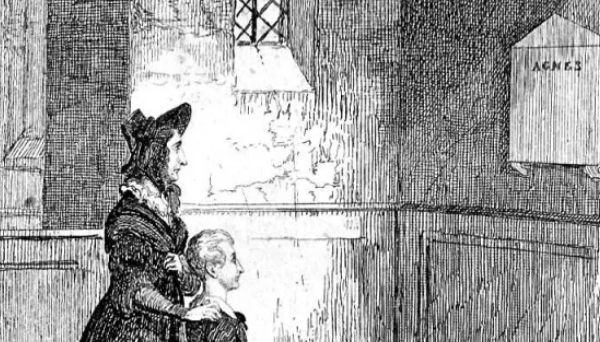
Charles Dickens, a luminary of Victorian literature, intricately weaves the theme of memory throughout his narratives, influencing character development and plot progression. Memory serves not merely as a backdrop but as a vital driving force that shapes the lives and decisions of his characters. This exploration delves into how consciousness and recollection manifest in his works, contributing to both profound emotional resonance and social critique.
1. Memory as a Catalyst for Character Development
In many of Dickens’s novels, memory significantly influences character arcs. For example, in “David Copperfield,” the protagonist’s reflections on his past experiences shape not only his identity but also his moral compass. As David recalls his childhood struggles, the narrative illustrates how personal memories forge resilience and empathy. These recollections are not mere flashbacks but integral to understanding his growth and choices throughout the story.
Memory also plays a critical role in the complexity of characters like Miss Havisham in “Great Expectations.” Experiencing deep emotional trauma, her memories of abandonment turn her into a reclusive figure shrouded in bitterness. This use of memory not only affects her own life but also powerfully impacts Pip, whose relationship with her illustrates how the past can haunt the present, trapping characters in cycles of nostalgia and regret.
-
- Reflect on how trauma shapes characters in literature.
-
- Consider how memory transforms a character’s relationships.
-
- Examine the emotional weight carried by recollections.
-
- Explore the impact of nostalgia in character development.
2. The Role of Social Memory in Dickens’s Critique of Society
Beyond individual experiences, Dickens incorporates memory as a social tool, reflecting collective experiences and societal issues. In “Oliver Twist,” the memories of child labor and poverty serve as a stark reminder of the harsh realities faced by the lower classes. Dickens uses these recollections to emphasize social injustices, compelling readers to confront the historical context of his narratives and consider the implications on contemporary society.
Similarly, in “A Tale of Two Cities,” Dickens’s portrayal of the French Revolution is colored by the collective memories of oppression and rebellion. Characters like Dr. Manette, who recalls his wrongful imprisonment, embody how personal memories intertwine with larger historical narratives, emphasizing the emotional and psychological scars of societal turmoil. Dickens’s ability to blend personal and communal memories engraves a sense of urgency and relevance into his criticism of social conditions.
-
- Analyze how memory shapes societal perceptions in the narrative.
-
- Investigate the historical context of characters’ memories.
-
- Reflect on how Dickens uses memory to critique societal norms.
-
- Consider memory as a tool for social change.
3. The Interplay of Memory and Identity in Dickens’s Characters
The interplay between memory and identity is a recurring motif in Dickens’s narratives, as characters grapple with past experiences that define who they are. In “Bleak House,” for example, the character Esther Summerson’s recollection of her early years shapes her self-perception and the way others perceive her. Her struggle with identity, influenced by memory, highlights the complexity of personal narrative in forming one’s sense of self.
Additionally, in “Great Expectations,” Pip’s journey is deeply intertwined with his memories of past interactions and experiences. These memories not only influence his ambitions and relationships but also play a significant role in his transformation from a humble boy to a gentleman. Dickens effectively uses memory as the thread that connects Pip’s past to his present, illustrating how individual identity is often rooted in the memories we carry.
-
- Reflect on how memories shape identity in literature.
-
- Assess the transformation of characters through their recollections.
-
- Explore the tension between past and present in self-discovery.
-
- Consider how memory influences societal roles and expectations.
In conclusion, memory in Dickens’s fiction serves a multifaceted purpose, encompassing personal growth, societal critique, and identity formation. Readers are encouraged to delve into the pasts of Dickens’s characters to uncover deeper meanings and implications. By engaging with these themes, one can appreciate how memory not only enriches the narratives but also illuminates the broader human experience in literature.