
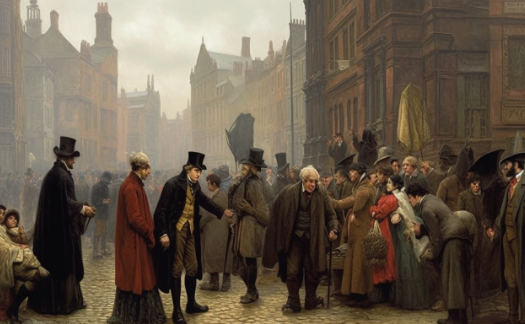
Charles Dickens, one of the most celebrated writers of the Victorian era, often infused his narratives with themes of compassion. His works underline the significance of empathy and kindness in a world rife with social injustices and suffering.
1. Empathy as a Central Theme
Throughout Dickens’s novels, empathy emerges as a core value that his characters frequently grapple with. In “A Christmas Carol,” for instance, Ebenezer Scrooge undergoes a profound transformation that highlights the power of understanding others’ plight. By engaging with the spirits of his past, present, and future, he learns that compassion can lead to personal redemption and positively impact others’ lives. Such narrative arcs underscore the idea that empathy is not just a moral obligation but a pathway to transformative change.
Moreover, Dickens often juxtaposes characters who embody compassion against those who are devoid of it. In “Oliver Twist,” the love and care from characters like Nancy showcase the potential for goodness, even amid pervasive hardship. Through their selfless acts, Dickens illustrates how compassion serves as a counterbalance to the cruelty of society. This reinforces the idea that empathy can foster a sense of community and hope.
-
- Reflect on your biases and assumptions about others.
-
- Practice active listening when conversing with someone.
-
- Read works that challenge your perspective.
-
- Engage in meaningful conversations about social issues.
2. The Impact of Kindness on Society
Another crucial aspect of Dickens’s works is the societal impact of kindness. In “David Copperfield,” the protagonist’s journey is shaped significantly by the kindness and compassion he receives from others. The story illustrates how nurturing relationships can offer support and guidance even in the most challenging circumstances. Dickens emphasizes that individual acts of kindness can lead to broader social changes, fostering a culture of mutual aid and support.
Furthermore, Dickens portrays the community’s role in nurturing compassion through various characters. For instance, the Cratchit family, despite their meager financial conditions, exudes warmth and love, embodying the spirit of togetherness. Their resilience in the face of adversity serves as a poignant reminder that kindness can become a beacon of hope in bleak times. Through these narratives, Dickens encourages readers to believe in the collective power of compassion.
-
- Share kindness with a neighbor or coworker each day.
-
- Volunteer for local charities to support your community.
-
- Promote kindness in your social circles.
-
- Advocate for social change by raising awareness about issues.
3. Lessons in Compassion for Modern Times
Today, Dickens’s lessons in compassion remain incredibly relevant. As modern society faces myriad challenges—from economic disparities to mental health crises—his message serves as a guiding light. Dickens prompts us to ask ourselves how we can embody compassion in our daily lives, challenging us to extend kindness to those around us, much as his characters did. This can be particularly significant in our increasingly digital world, where empathy can sometimes take a backseat to anonymity.
Moreover, the exploration of compassion in Dickens’s works provides an opportunity for personal reflection. Analyzing characters like Pip from “Great Expectations” reveals the transformative potential of empathy. As he navigates social class and personal growth, one can draw parallels to their own life circumstances—highlighting that compassion is an ongoing journey of self-discovery and growth.
-
- Reflect on how you can practice empathy online and offline.
-
- Incorporate compassion into everyday decisions.
-
- Engage with diverse communities to broaden your understanding.
-
- Focus on personal growth by learning from your experiences and challenges.
Charles Dickens emphasizes the importance of compassion throughout his works, reminding us that empathy and kindness are essential not only for personal transformation but also for the betterment of society. By embodying these values in our lives today, we can create a more compassionate world for ourselves and future generations. Let’s take the lessons from Dickens and start widening our circles of compassion!