
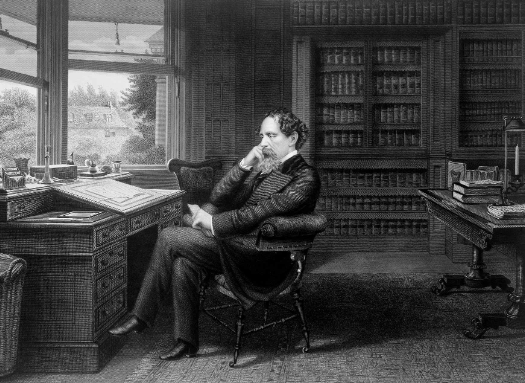
Charles Dickens remains one of the most celebrated authors in literature, and his works continue to resonate with readers around the world. From themes of social justice to vivid characterizations, Dickens’s fiction offers rich narratives that remain relevant even in modern contexts. This blog post explores the enduring popularity of Dickens’s works and unpacks the unique elements that captivate audiences today.
1. Timeless Themes of Social Critique
One of the primary reasons for Dickens’s enduring popularity lies in his unflinching critique of social injustices. Novels like “Oliver Twist” and “David Copperfield” portray the struggles of the lower classes in Victorian Britain, highlighting issues such as poverty, child labor, and exploitation. This focus on social reform offers readers a lens through which to examine ongoing issues in their own societies, making his works not just stories, but calls to action. The depth of his social commentary has inspired countless adaptations, each reincarnating his protagonists in contemporary settings to resonate with modern audiences.
Moreover, Dickens’s works are often infused with a sense of hope and redemption, emphasizing the capacity for change. For instance, “A Christmas Carol” presents the transformative journey of Ebenezer Scrooge, showing that it’s never too late to change one’s ways. This duality—social critique paired with an optimistic outlook—captures the hearts of readers and helps them reflect on their own experiences and societal roles.
-
- Explore Dickens’s social themes in context with current events.
-
- Read adaptations of his novels set in modern times.
-
- Engage in discussions about social issues raised in his works.
-
- Write your own reflections on Dickens’s portrayal of society.
2. Memorable Characters and Complex Relationships
Dickens is renowned for his memorable characters, each with distinctive traits that make them unforgettable. Characters like Pip from “Great Expectations” and Fagin from “Oliver Twist” not only drive the plot but also embody various human flaws and virtues. The complexity of these characters is what sets Dickens apart; their personal growth, moral dilemmas, and rich backstories invite readers to invest emotionally in their journeys. This deep connection fosters a lasting bond between the readers and the stories Dickens weaves.
In addition, the intricate relationships between characters add layers of meaning to his narratives. The dynamic between Scrooge and Marley, or the paternal influence of Mr. Fezziwig, are not merely plot devices but reflections of societal values and personal connections in Dickens’s own life. By exploring these relationships, readers gain insights into the human condition, making a reading of Dickens a journey of personal introspection as well.
-
- Create a character map to visualize relationships in Dickens’s novels.
-
- Write character sketches for your favorite Dickens characters.
-
- Discuss how these characters relate to people in real life.
-
- Compare character growth across different works.
3. Rich Language and Narrative Style
Dickens’s distinctive narrative style is another factor that contributes to his popularity. His masterful use of language elevates the prose, making it both delightful and engaging. Vivid descriptions and expressive dialogue create a sense of immersion, enabling readers to visualize the Victorian landscape and feel the emotions of the characters. Additionally, his use of humor, sometimes dark or satirical, adds complexity to his storytelling, enriching the reading experience.
Furthermore, Dickens’s narrative techniques, such as cliffhangers and detailed character descriptions, hold readers in suspense, compelling them to turn pages. For example, the way he delineates settings—from the grim streets of London to the cozy warmth of a Christmas gathering—ensures that his readers are not just passive observers, but active participants in the story. This immersive storytelling is a primary reason why readers return to his works time and again.
-
- Experiment with writing your own descriptive passages inspired by Dickens.
-
- Analyze Dickens’s use of humor in various scenes.
-
- Discuss how narrative style impacts your reading experience.
-
- Pay attention to how setting influences characters in his novels.
4. Cultural Relevance and Adaptations
The cultural relevance of Dickens’s works is perhaps best exemplified by the numerous adaptations into films, TV series, and stage plays. Today, stories like “A Christmas Carol” have countless iterations, each reimagining the classic tale for new generations. This adaptability creates an ongoing interest in Dickens’s original texts, as viewers drawn in by adaptations often seek out the source material for deeper understanding.
Additionally, contemporary issues such as inequality, mental health, and identity that Dickens examined in the 19th century are still highly relevant today. Modern adaptations not only bring his narratives to life but also allow audiences to see their own struggles reflected in Dickens’s stories. This cycle of adaptation reinforces the importance of his themes and encourages new discussions about their significance in today’s world.
-
- Watch different adaptations of Dickens’s works to compare interpretations.
-
- Engage in discussions about modern issues presented in his stories.
-
- Research how social themes have evolved in adaptations over the years.
-
- Attend a local theater performance of Dickens’s works.
In conclusion, the enduring popularity of Charles Dickens is a testament to his timeless themes, memorable characters, rich language, and cultural relevance. His works encourage readers to reflect on their own lives and societal roles while remaining engaged with powerful narratives. Consider diving into one of his novels today or exploring an adaptation to experience the magic of Dickens for yourself!