
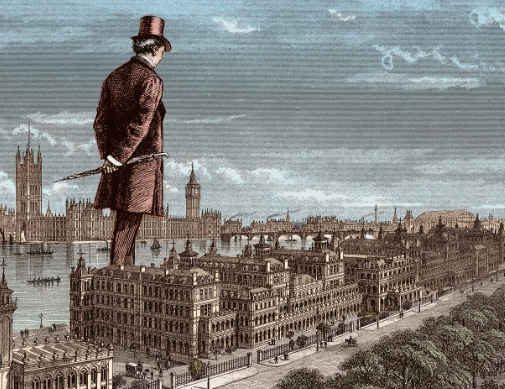
Charles Dickens is renowned not only for his memorable characters but also for his vivid depictions of the urban landscape. In his novels, cities like London often serve as vital characters, shaping narratives and influencing the lives of his protagonists. This blog explores the intricate relationship that Dickens creates between his characters and the cities they inhabit.
1. The Urban Landscape: A Backdrop for Personal Struggles
In many of Dickens’s works, the city is more than just a setting; it acts as a silent observer of the characters’ internal and external conflicts. For instance, in “Oliver Twist,” the depiction of the grimy streets and overcrowded workhouses reflects Oliver’s plight as an orphan navigating a harsh world. The city’s dark alleys are filled with crime and desperation, mirroring Oliver’s battles against societal injustices. Thus, the setting enhances the emotional experience of the characters and provides a visceral context for their stories.
Moreover, the depiction of London as a sprawling, chaotic entity can symbolize the broader social issues of the Victorian era, including poverty and class disparity. In “Bleak House,” the foggy streets serve as a metaphor for the confusion and moral ambiguity prevalent in the legal system. The dilapidated structures and bustling crowds represent the characters’ struggles, reinforcing the eternal fight against societal ills. This interplay between character and city makes the narrative more compelling and relatable.
-
- Consider the setting before character development.
-
- Use urban features to symbolize themes (e.g., fog, alleys).
-
- Show how characters thrive or suffer within their cities.
-
- Explore both the beautiful and the grotesque sides of urban life.
2. The City as a Living Entity
In Dickens’s novels, the city often embodies characteristics that resemble a living organism. It breathes, pulsates, and changes alongside the characters, influencing their choices and destinies. This is particularly evident in “Great Expectations,” where the marshes and the bustling streets of London profoundly impact Pip’s aspirations and sense of identity. The city transforms from a place of dreams to one of disillusionment as Pip navigates his quest for self-discovery.
The anthropomorphism of cities is also evident through character interactions with urban spaces. In “David Copperfield,” the city’s neighborhoods reveal the economic divides and social challenges that the protagonist confronts. The thriving parts of London depict opportunity, while the depraved neighborhoods expose hardship. Dickens skillfully crafts a city that reacts to the characters, reflecting their emotional states and driving the plot forward.
-
- Analyze how characters interact with urban spaces.
-
- Identify moments when the city reflects the internal state of a character.
-
- Consider how the city evolves with the narrative arc.
-
- Utilize descriptive language to personify urban elements.
3. Social Commentary through Urban Exploration
Dickens brilliantly uses the city to critique the social conditions of his time, intertwining character experiences with broader societal issues. In “Hard Times,” the industrial city of Coketown stands as a metaphor for the era’s moral decay. The mechanization of life is mirrored in the monotonous lives of its citizens, emphasizing the struggle between human spirit and industrial facelessness. Through vivid imagery, Dickens critiques the adverse effects of rapid industrialization on society.
This social commentary is not limited to the poor; Dickens also examines the lives of the wealthy, showcasing their disconnection from the lives of the working class. In “A Tale of Two Cities,” the contrasting cities of London and Paris illustrate the stark differences in social conditions leading up to the French Revolution. The city acts as a catalyst for change, where historical and personal narratives coexist, compelling readers to reflect on commerce, class, and morality.
-
- Explore urban settings as symbols for societal issues.
-
- Contrast different areas of the city to highlight class distinctions.
-
- Use character dialogues to voice critiques on social norms.
-
- Incorporate historical events that shape urban landscapes.
In summary, Dickens’s masterful portrayal of cities in his novels creates a rich tapestry where urban settings function as vital characters. They shape personal narratives, symbolize broader societal themes, and engage readers in a dynamic exploration of life during the Victorian era. By examining the interplay between characters and their cities, we gain deeper insights into Dickens’s critique of society and the human condition.
Reflect on Dickens’s portrayal of cities in your own reading. Consider how the settings influence characters and narratives. By taking this approach, you can enrich your literary understanding and appreciation for the intricate layers of Dickens’s storytelling.