
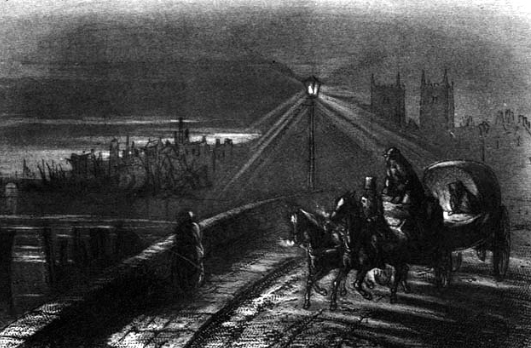
Charles Dickens is celebrated for his vivid characterizations and intricate plots, but one recurring theme in his work is the balance of light and darkness. This thematic duality mirrors the complexities of human nature, often illustrating the struggle between good and evil.
Through various characters and scenarios, Dickens artfully reveals how light and darkness coexist and influence each other. Let’s explore this dynamic further by examining different elements within his works.
1. The Struggle Between Good and Evil
In many of Dickens’s novels, characters embody both light and dark qualities, representing the moral ambiguity of humanity. Take Ebenezer Scrooge from “A Christmas Carol,” for instance. Initially, he embodies the darkness of greed and selfishness, but the transformative journey he undergoes highlights the potential for redemption and the emergence of light through compassion and kindness.
Another excellent example can be found in “Oliver Twist” with the character of Fagin, the swindler who represents the dark underbelly of society. Yet, even Oliver, who epitomizes innocence and goodness, finds himself in dire situations that blur the lines between right and wrong, showing that light often exists within the darkest places.
-
- Consider characters that represent both good and evil.
-
- Reflect on how their circumstances influence their moral choices.
-
- Analyze character transformations as a sign of potential redemption.
-
- Examine the settings that juxtapose light against dark qualities.
2. The Role of Setting
Setting plays a significant role in showcasing the balance between light and darkness in Dickens’s work. The contrasting environments often serve as metaphors for the characters’ internal struggles. For instance, the brightness of the Christmas season in “A Christmas Carol” starkly contrasts with Scrooge’s cold, dark office and lonely house, visually representing his internal conflict and the potential for change.
Similarly, in “Bleak House,” the oppressive fog symbolizes confusion and moral ambiguity in the legal system. The ambiguous light, or lack thereof, emphasizes the bleak circumstances surrounding the characters, amplifying their despair while also leaving room for hope through perseverance and goodness.
-
- Identify key settings that serve as metaphors.
-
- Note contrasts between light and dark elements in different locations.
-
- Discuss how settings affect character development and decisions.
-
- Explore the significance of seasonal changes within narratives.
3. Social Commentary Through Light and Darkness
Dickens expertly uses the balance of light and darkness as a means of highlighting social issues, providing a critical lens through which to view the society of his time. In “Hard Times,” the stark realities of industrial life represent the darkness that overshadows human connection. The mechanization of society stifles individuality and deeply impacts relationships.
On the other hand, Dickens illustrates the light found in community and resilience amid such hardships. Characters like Stephen Blackpool, who endure suffering yet maintain a sense of integrity, serve as a reminder of the inherent goodness that can thrive even in challenging environments. This serves as both a critique of society and a beacon of hope for change.
-
- Analyze how social issues are represented through characters and settings.
-
- Discuss the impact of industrialization on individuals and communities.
-
- Identify elements of resilience and goodness amid darkness.
-
- Reflect on how Dickens’s works remain relevant to contemporary social issues.
4. Characters as Symbols of Light and Darkness
Many characters in Dickens’s stories symbolize the interplay between light and darkness, providing readers with deep insights into human nature. For example, in “David Copperfield,” the character of Uriah Heep personifies the darker aspects of ambition and deception, while David’s optimistic and hopeful nature represents the light of perseverance and integrity.
Other characters, such as the kind-hearted Miss Betsey Trotwood, showcase how nurturing and guidance can bring out the light in others, while also revealing the darker elements of society, like classism and abuse. This duality illustrates how inner and outer conflicts shape one’s identity within the story.
-
- Identify characters that symbolize both light and darkness.
-
- Discuss character traits that embody their dual nature.
-
- Analyze how relationships illuminate or obscure light in other characters.
-
- Connect character evolutions to broader themes of hope and despair.
5. The Power of Redemption
Redemption is a vital theme intertwined with the balance of light and darkness in Dickens’s literary universe. Characters like Scrooge and Sydney Carton from “A Tale of Two Cities” embark on journeys of self-discovery that ultimately lead to profound transformations. Their stories highlight the capacity for change and the reawakening of the spirit, suggesting that even the darkest individuals can find their way back to the light.
This theme reinforces the idea that love, forgiveness, and understanding can illuminate the darkest corners of life. Dickens masterfully demonstrates that redemption isn’t merely an act but a process that requires inner struggle, reflection, and often external support, inviting readers to embrace the possibility of hope and healing.
-
- Reflect on the journeys of characters who seek redemption.
-
- Analyze how their transformations influence surrounding characters.
-
- Explore the importance of relationships in the redemption process.
-
- Consider how readers can find messages of hope in dark themes.
In conclusion, the balance of light and darkness in Dickens’s works creates rich narratives that explore the complexities of human nature. By understanding this duality, we can gain deeper insights into the moral and ethical dilemmas faced by his characters. Consider delving into Dickens’s novels to discover how these themes resonate with your life today.