
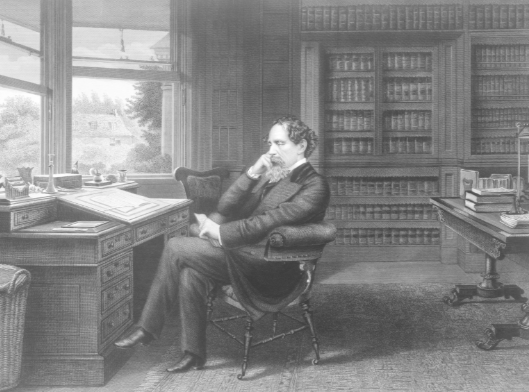
Charles Dickens is often celebrated for his vivid portrayal of Victorian society, particularly in how he explores the themes of money and class. His characters frequently embody the struggles associated with wealth and poverty, serving as a reflection of the societal values of his time. This blog post delves into the intricate relationship between money and class in Dickens’s literary world.
1. The Role of Wealth in Character Development
In many of Dickens’s novels, the characters’ relationships with money significantly influence their development and interactions with others. For instance, in “Great Expectations,” Pip’s transformation from a poor blacksmith’s apprentice to a gentleman reveals the complexities of wealth. His newfound status is not simply a change in financial standing but affects his identity, relationships, and moral compass. Conversely, characters such as Joe Gargery demonstrate how strength of character can remain intact despite a lack of wealth.
This theme is evident throughout Dickens’s works; characters who attain wealth often face moral dilemmas that challenge their integrity. For example, Scrooge in “A Christmas Carol” is initially consumed by greed but undergoes a profound transformation after being confronted with the consequences of his avarice. His eventual redemption emphasizes that true wealth lies in generosity and compassion rather than mere financial status.
-
- Analyze your own relationship with money.
-
- Consider how wealth influences your values and relationships.
-
- Reflect on the moral choices you face in pursuit of success.
-
- Engage with literature that challenges your perspective on wealth.
-
- Support causes that promote generosity and community support.
2. Class Division and Social Commentary
Dickens’s works serve as critical commentaries on the class divisions of his time. He often illustrates the stark contrast between the wealthy and the impoverished, not just through rich lifestyles but also through the living conditions of the lower classes. In “Oliver Twist,” for example, the squalor of the workhouse starkly contrasts with the indulgent lifestyles of the upper class, highlighting societal injustices. Dickens uses these disparities not only to evoke sympathy for the oppressed but also to critique the system that perpetuates such inequality.
The portrayal of class also leads to a discussion of social mobility, as seen in “David Copperfield.” While some characters, like Uriah Heep, manipulate their way into higher social strata through deceit, others, like David, aim for genuine improvement through hard work. This nuanced depiction underscores Dickens’s belief in the potential for personal growth, regardless of one’s initial social standing, while also critiquing the obstacles that prevent true social mobility.
-
- Examine the class structures in your community.
-
- Reflect on how class divisions create barriers to opportunity.
-
- Engage in discussions about social justice and equity.
-
- Support initiatives that aim to bridge societal divides.
-
- Read books that provide varying perspectives on class issues.
3. Money as a Symbol of Morality
In Dickens’s narrative, money often becomes a symbol of moral standing. The use of wealth can signify virtue or vice, depending on how it is utilized by his characters. For instance, the wealthy characters in “Bleak House” are frequently portrayed as morally corrupt, using their financial power to exploit the less fortunate. Conversely, those who use their resources to assist the needy, such as philanthropists in “A Christmas Carol,” highlight that true morality is reflected in one’s actions towards others.
This moral complexity encourages readers to reevaluate their own views on wealth and morality. Dickens suggests that the ethical use of money can positively impact society. Characters who prioritize community welfare over personal gain, like charitable foundations in his stories, represent the positive social change that can stem from ethical financial choices.
-
- Identify how you can use your resources for good.
-
- Practice ethical consumption and support responsible brands.
-
- Volunteer your time or resources to local charities.
-
- Encourage others to reflect on their spending choices.
-
- Consider starting a community fund or supporting existing ones.
4. The Influence of Money on Relationships
The quest for wealth in Dickens’s novels often disrupts personal relationships, adding layers of complexity to human interactions. In “A Tale of Two Cities,” for instance, the financial disparities between characters create friction, impacting friendships and romantic relationships. Sydney Carton’s sacrifices for Lucie Manette illustrate how love can transcend financial motivations, highlighting the theme of altruism amidst the social hierarchy.
This dynamic raises interesting questions about the role of money in maintaining or breaking relationships. For example, in “Hard Times,” characters like Thomas Gradgrind emphasize the value of wealth at the cost of nurturing emotional bonds. This portrayal serves as a cautionary tale about the potential pitfalls of allowing financial concerns to overshadow genuine connections.
-
- Assess how money affects your relationships.
-
- Prioritize emotional connections over material ones.
-
- Communicate openly about financial decisions with loved ones.
-
- Engage in shared activities that don’t focus on wealth.
-
- Explore altruistic ways to strengthen bonds.
In conclusion, Charles Dickens’s exploration of money and class in his literary world invites readers to reflect on their own views and societal values. By understanding these themes, we can better appreciate the nuances of class dynamics today and strive for a more equitable society. Consider taking the next step by engaging with literature that challenges your perspective or supporting local initiatives that promote social equity.