
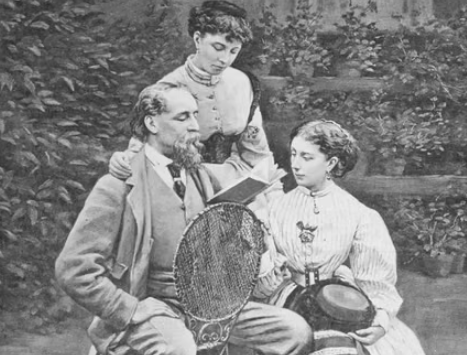
Charles Dickens is renowned for his rich storytelling that often intertwines complex characters and their relationships. Marriage and relationships are recurring themes in his works, reflecting the social norms and moral expectations of Victorian society. Through various dynamics and portrayals, Dickens critiques and examines the institution of marriage, illustrating both its merits and drawbacks.
1. Victorian Marriage and Social Expectations
In Dickens’s novels, marriage often serves as a reflection of societal expectations rather than a union based on love. Characters like Mr. and Mrs. Micawber in “David Copperfield” illustrate the precarious balance between financial stability and personal happiness. Their relationship highlights the often transactional nature of marriage during the Victorian era, where social class and economic considerations played pivotal roles in choosing partners.
Moreover, Dickens delves into the chasm between personal desires and societal pressures. In “Great Expectations,” Estella is raised to break hearts, yet her interactions with Pip reveal a longing for authentic connection. Through these relationships, Dickens critiques the rigidity of Victorian norms, encouraging readers to ponder what true companionship involves beyond material conditions.
-
- Understand the societal context of Dickens’s time, particularly class and gender roles.
-
- Identify characters whose marriages reflect societal expectations.
-
- Explore the contrasts between romantic ideals and practical realities.
-
- Analyze how Dickens use marriage as a tool for social criticism.
2. The Consequences of Unhealthy Relationships
Many of Dickens’s narratives shine a light on unhealthy and oppressive marriages. In “Bleak House,” the marriage of Lady Dedlock and Sir Leicester demonstrates how societal reputation can trap individuals in loveless unions. Lady Dedlock’s internal turmoil underscores the emotional devastation caused by a marriage devoid of affection, ultimately leading to tragic consequences.
Similarly, in “Tale of Two Cities,” the strained relationship between Charles Darnay and Sydney Carton portrays the theme of sacrifice. While both men love Lucie Manette, their differing approaches to marriage and commitment reveal the deeper emotional struggles associated with love, loyalty, and responsibility. Dickens uses these relationships to illustrate the devastating effects of societal pressures on intimate connections.
-
- Reflect on the emotional and psychological impact of unhealthy relationships.
-
- Recognize signs of toxic dynamics in character interactions.
-
- Consider the role of sacrifice in romantic relationships.
-
- Examine how Dickens portrays the consequences of societal pressures on love.
3. Redemption and Transformation through Love
In many of Dickens’s tales, love emerges as a transformative force capable of redemption. The relationship between Pip and Estella is fraught with challenges, yet it also illuminates the possibility of personal growth and self-discovery. Pip’s longing for Estella pushes him to aspire for greater things, ultimately leading to his realization of what true worth means beyond wealth and social status.
Through characters like Ebenezer Scrooge in “A Christmas Carol,” Dickens underscores the theme of love as a pathway to redemption. Scrooge’s transformation is heavily influenced by the relationships he rekindles, demonstrating that genuine love can inspire change and lead to a more fulfilling life. Dickens illustrates that the qualities of empathy and connection are essential for a meaningful existence.
-
- Explore how love functions as a catalyst for personal growth in Dickens’s characters.
-
- Identify moments of transformation in pivotal relationships.
-
- Reflect on the redemptive qualities of love and companionship.
-
- Consider how Dickens teaches that personal change often stems from love.
4. The Complex Nature of Marriage: Both Joy and Struggle
While Dickens often highlights the trials and tribulations of marriage, he also acknowledges its joys and strengths. In “David Copperfield,” the relationship between David and Agnes reflects a partnership founded on mutual respect and understanding. Their bond offers a counterpoint to the more troubled marriages depicted in other narratives, suggesting that loving partnerships can thrive despite societal challenges.
Additionally, Dickens often shows the trials of marriage as a space where individuals learn, grow, and adapt together. In “Our Mutual Friend,” the evolving relationship between John Harmon and Bella Wilfer portrays the complexity of love that accommodates personal growth and change. This nuanced portrayal encourages readers to appreciate the multifaceted experiences that accompany long-term relationships.
-
- Consider the balance of joy and struggle in relationships.
-
- Reflect on how character interactions evolve throughout narratives.
-
- Recognize the significance of mutual respect in successful marriages.
-
- Examine how Dickens portrays personal growth through partnership.
In conclusion, Dickens’s exploration of marriage and relationships offers profound insights into human connections. His characters navigate the intersection of love, societal expectations, and personal dilemmas, revealing the complexities of intimacy. To benefit from the lessons in these tales, readers can encourage meaningful discussions around relationships and reflect on their own connections. Remember, taking time to understand and strengthen your relationships can lead to a more fulfilling life.