
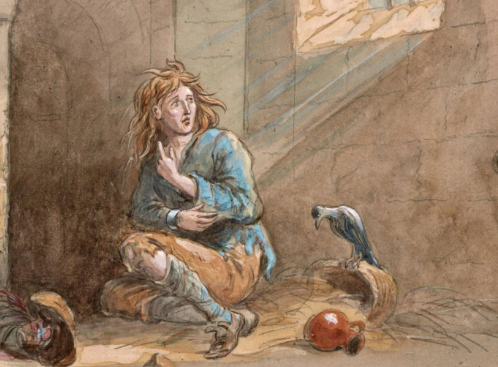
Charles Dickens is renowned for weaving complex characters and social issues into his stories, particularly the themes of loneliness and a yearning for belonging. His novels often depict individuals struggling in an unforgiving society, ultimately showcasing the importance of connection and community.
1. The Alienation of the Individual
In “David Copperfield,” the protagonist grapples with profound feelings of isolation. From a young age, he faces abandonment, such as when his father dies and his stepfather mistreats him. This early alienation sets the stage for his quest for belonging throughout the novel. Dickens paints a vivid picture of how these experiences shape David’s relationships, influencing his decisions and self-worth.
Similarly, “Oliver Twist” explores themes of loneliness through the character of Oliver, who often feels like an outcast. As an orphan navigating a harsh world filled with cruelty, Oliver embodies the innocence lost in a society that neglects the vulnerable. Each character’s struggle with loneliness illustrates how society can fail its members, making their journeys toward connection even more poignant.
-
- Reflect on your own feelings of isolation.
-
- Identify key moments in your life that made you feel alienated.
-
- Explore how these experiences have shaped your relationships.
-
- Consider reaching out to others who may share similar feelings.
2. The Search for Community
In “A Tale of Two Cities,” the theme of belonging emerges through Sydney Carton’s character. While initially a disenchanted, lonely figure, Carton finds purpose by sacrificing himself for the happiness of others. Throughout the novel, the camaraderie among characters during moments of crisis highlights the strength found in community. Dickens illustrates how even those who start off feeling isolated can find their place among others.
Moreover, “Great Expectations” presents Pip’s continuous journey toward belonging, particularly through his relationship with Joe and Biddy. Unlike the elitist world represented by Estella and Miss Havisham, Joe and Biddy represent genuine companionship and acceptance. Pip’s fluctuating sense of belonging illustrates the importance of finding your true community, one that accepts you unconditionally despite your social standing or aspirations.
-
- Identify communities that resonate with you personally.
-
- Engage in group activities that foster connections.
-
- Volunteer or participate in community service to form bonds.
-
- Be open to new experiences and relationships.
3. The Role of Empathy and Compassion
Another significant theme in Dickens’s works is how empathy plays a crucial role in alleviating loneliness. In “Little Dorrit,” the character’s struggles encapsulate the dynamics of isolation and human connection. Through the narrative, Dickens highlights how acts of kindness, however small, can lead to significant changes in the lives of lonely individuals. The relationships developed in the book reveal the transformative power of empathy, illustrating that no one should have to suffer alone.
Furthermore, “Bleak House” showcases the impact of societal neglect on its characters, particularly the character of Esther Summerson. Her compassionate nature allows her to build connections with those around her, helping to solve their problems while working through her loneliness. Dickens suggests that fostering empathy can bridge gaps among individuals, helping them navigate their loneliness and find a sense of belonging.
-
- Practice active listening when conversing with others.
-
- Express your feelings and encourage openness in relationships.
-
- Engage in random acts of kindness to uplift others.
-
- Attend workshops on empathy and relational skills.
4. Finding Strength Through Connection
Ultimately, Dickens emphasizes that the antidote to loneliness is the strength derived from connection. Many of his characters endure harsh realities, yet it is their relationships that empower them to persevere. For instance, in “Hard Times,” characters like Stephen Blackpool highlight the power of solidarity in overcoming struggles in a mechanical, dehumanizing society. Dickens promotes the idea that interpersonal relationships are vital for personal growth and resilience.
Through the varied experiences of loneliness and belonging, Dickens’s novels encourage readers to appreciate the human condition. They teach us that even in our darkest moments, finding solace in each other can illuminate our path forward. Community plays a pivotal role in navigating life’s challenges, whether through friendship, family, or social networks.
-
- Reach out to someone you trust when feeling lonely.
-
- Create or join a support group for shared experiences.
-
- Maintain regular contact with friends and family.
-
- Participate in community events to meet new people.
In conclusion, the themes of loneliness and belonging in Dickens’s novels resonate with readers today as much as they did in his time. By reflecting on our own experiences and seeking connection, we can challenge the feelings of loneliness that impact our lives. Consider taking proactive steps to build your own community, whether through friendships, volunteering, or joining groups that share your interests.