
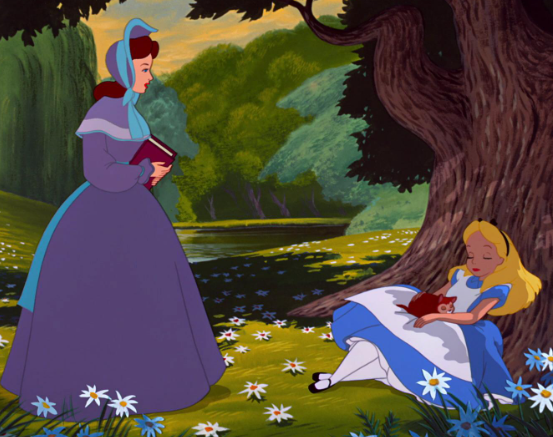
Understanding whether “Alice in Wonderland” is a novel or a dream invites readers into a whimsical exploration of literature and imagination. This question illustrates the blurred lines between reality and fantasy, which is central to the work itself, fostering deeper engagement with the story’s themes and characters. Delving into this topic can enrich our appreciation for the creativity involved in storytelling and the reader’s role in interpreting narratives.
A Literary Analysis
<p”Lewis Carroll’s “Alice in Wonderland” is often categorized as a children’s novel, yet it embodies elements of surrealism that suggest it operates more like a dream. The nonsensical events that Alice experiences challenge the constructs of time, space, and logic, reminiscent of the free associations and odd juxtapositions found in dreams. By analyzing the narrative structure and character interactions, readers can see how Carroll paints a vivid landscape that transcends the traditional expectations of a novel, encouraging us to question the nature of reality itself.”
The Role of Dreams in the Narrative
Dreams serve as a powerful motif throughout “Alice in Wonderland.” Alice’s journey begins as she falls down a rabbit hole, which can be interpreted as the onset of a dream state. Her encounters with peculiar characters like the Cheshire Cat and the Mad Hatter create a dreamlike atmosphere, as they challenge her perceptions and prompt existential questions. This representation of dreams enhances the fantastical elements of the story, illustrating how our subconscious can often craft worlds that are both whimsical and bewildering.
Reader Interpretation
Ultimately, the question of whether “Alice in Wonderland” is a novel or a dream may not have a definitive answer, as it varies based on individual interpretation. Some readers may approach it as a straightforward narrative with whimsical storytelling, while others may delve deeper, seeing it as a reflection on childhood, identity, and the nature of reality. This fluidity adds to the richness of Carroll’s work, inviting readers to engage with it from multiple perspectives while encouraging them to embrace their imaginative faculties.
As you explore “Alice in Wonderland,” consider how your own experiences and understanding of dreams influence your interpretation. This perspective can lead to engaging discussions and new insights about the text. So, dive deeper into the whimsical world of Alice and discover the layers of meaning waiting to be uncovered!