
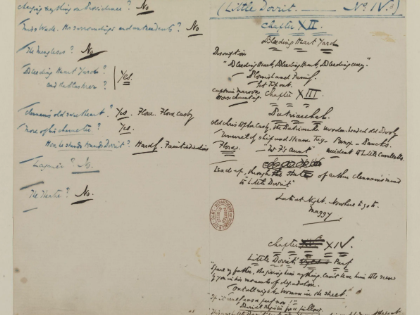
Charles Dickens is one of the most celebrated novelists in English literature, known for his vivid characters and intricate plots. The practice of serialization played a crucial role in shaping his literary style and storytelling techniques, influencing how he developed narratives and interacted with his audience.
1. The Serialization Phenomenon
During Dickens’s time, novels were often published in installments in newspapers or magazines, a practice known as serialization. This method allowed authors to reach a broader audience and receive immediate feedback from readers. Dickens, in particular, embraced serialization, which often compelled him to craft cliffhangers and engaging plot twists to keep readers eagerly awaiting the next installment. For instance, “The Pickwick Papers,” his first serialized novel, featured a humorous narrative that kept audiences hooked month after month.
Serialization not only changed Dickens’s storytelling approach but also established a unique relationship between him and his readers. The interactive nature of this format encouraged Dickens to develop characters that resonated personally with his audience, as he would often incorporate reader feedback into later installments. This made his characters feel more alive and relatable, contributing to their enduring popularity.
-
- Understand the serialization format by reading Dickens’s serialized works.
-
- Observe how cliffhangers create suspense and excitement in storytelling.
-
- Consider the reader’s perspective while developing characters and plots.
-
- Engage with reader feedback to enhance your writing process.
2. Character Development and Ethical Themes
Serialization also influenced Dickens’s character development, leading him to create multi-dimensional figures whose journeys unfolded over time. For example, characters like Ebenezer Scrooge from “A Christmas Carol” and Pip from “Great Expectations” experience significant transformations that are gradually revealed through the narrative. This gradual evolution allowed readers to cultivate a deeper understanding of their struggles, desires, and moral dilemmas—making the stories more impactful and resonant.
Furthermore, Dickens often utilized his serialized writings to tackle social issues and advocate for reforms. By developing characters from various socio-economic backgrounds, he raised awareness about poverty, child labor, and education. This commitment to weaving ethical themes into his tales became a hallmark of his writing, leaving a lasting mark on Victorian society and literature. “Oliver Twist,” for example, confronts the injustices faced by orphaned and impoverished children during that era.
-
- Create characters that embody a range of traits and backgrounds.
-
- Introduce ethical dilemmas that challenge your characters’ morals.
-
- Utilize character arcs to show growth or transformation over time.
-
- Incorporate social commentary to make your story resonate with societal issues.
3. The Influence of Audience Interaction
The serialized form encouraged Dickens to maintain an ongoing dialogue with his readers, which profoundly influenced his narrative style. As readers eagerly awaited the next installment, they often shared their thoughts with Dickens through letters or discussions. This feedback loop provided him with valuable insights into what aspects of the story were resonating with the audience and what needed adjustment. Dickens thrived on this interaction, sometimes even altering storylines based on public sentiment.
This connection created a sense of community among readers, as they shared their experiences and anticipations regarding the serialized installments. Dickens’s ability to tap into this dynamic was integral to his popularity and success. His practice of incorporating real-life events and public opinion into his narratives not only made his writing feel timely but also encouraged readers to engage deeply with the material. Perhaps the most evident example is in “Bleak House,” where Dickens addresses the inefficiencies of the legal system, a topic that sparked societal discussions.
-
- Engage with your audience to gauge their reactions and preferences.
-
- Be open to altering your plot based on reader feedback.
-
- Create relatable situations that spark discussion among your audience.
-
- Incorporate current events to keep your narrative relevant and engaging.
In conclusion, Dickens’s masterful use of serialization shaped his writing in ways that are still studied and admired today. By understanding the nuances of this literary format, aspiring writers can gain valuable insights into character development, audience engagement, and the effective weaving of ethical themes into their narratives. Whether you’re a budding writer or a seasoned storyteller, exploring these elements can help you craft compelling tales that resonate with readers for generations to come.