
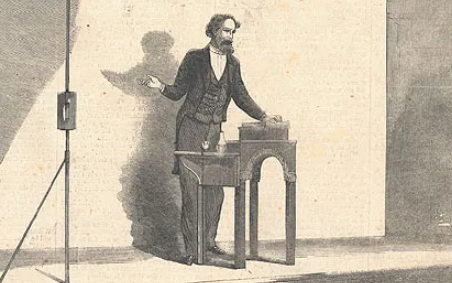
Charles Dickens, one of the most prolific authors of the 19th century, captured the hearts and minds of readers during his lifetime. His stories often depicted the struggles of the poor and criticized societal norms, making him both a beloved and controversial figure. Understanding how readers responded to Dickens can provide insight into why his works remain influential today.
1. The Serialization Phenomenon
During Dickens’s time, many of his novels were published in serialized form in magazines. This format allowed readers to engage with the story incrementally, eagerly awaiting each new installment. For instance, “The Pickwick Papers” was released in episodes, creating anticipation among readers and fostering a community of discussion around each chapter. The serialized format not only kept audiences hooked but also allowed Dickens to gauge reader reactions and adjust storylines accordingly.
The intense anticipation of serialized novels also influenced how readers interacted with the material. Fans would often speculate on plot developments between episodes, exchanging ideas in letters or at public gatherings. This communal experience helped to build a dedicated following for Dickens and made each publication event feel like a social occasion, drawing people together in their shared love of literature.
-
- Follow your favorite authors for updates on new releases.
-
- Engage with reader communities online or in-person.
-
- Subscribe to literary magazines to enjoy serialized stories.
-
- Form a book club to discuss individual chapters or episodes.
2. The Impact of Social Issues
Readers were deeply affected by Dickens’s portrayal of social issues such as poverty, child labor, and class disparities. His works, like “Oliver Twist” and “Hard Times,” served as a mirror reflecting the challenges faced by many during the Industrial Revolution. The vivid depictions of struggling characters resonated with middle- and working-class readers alike, prompting them to reflect on their own circumstances and the inequalities of the time.
Dickens’s writing not only entertained but also educated. Many readers were moved to act on the social issues presented in his novels. After seeing the injustices in “A Christmas Carol,” for instance, many became advocates for social reform, fueled by Dickens’s powerful storytelling. The emotional responses generated by his narratives led to increased awareness and, in some cases, tangible changes in social policies.
-
- Read Dickens’s novels critically to understand their social commentary.
-
- Discuss themes of social justice with peers to deepen understanding.
-
- Get involved in charitable organizations to help marginalized communities.
-
- Support modern authors addressing similar social themes.
3. The Relationship with Literary Criticism
The response to Dickens’s work also sparked a substantial amount of literary criticism during his time. Critics often praised his vivid characterizations and intricate plots, but some dismissed his works as overly sentimental. Notably, famous contemporaries like George Eliot and Henry James had mixed views, with some appreciating his talent while questioning the depth of his moral messages. This polarization fueled discussions, keeping his work in the public eye and engaging readers even more.
Despite some criticisms, Dickens maintained a loyal base of readers who found profound meaning in his narratives. Many were eager to defend him in literary debates, showcasing the passionate engagement he inspired. By fostering dialogue between critics and supportive readers, Dickens’s works contributed to an evolving literary culture, influencing how future writers would approach themes of morality and social critique.
-
- Explore literary critiques alongside reading Dickens to gain multiple perspectives.
-
- Participate in online forums discussing classic literature.
-
- Keep a journal to express your personal reflections on his works.
-
- Attend lectures or book readings focusing on literary criticism.
4. The Role of Fans and Adaptations
The immense popularity of Dickens also led to various adaptations, which further engaged his readership. Theatrical productions, films, and radio dramas brought his characters to life outside the pages of his novels, allowing fans to experience the stories in new formats. Adaptations also expanded Dickens’s audience, reaching those who might not typically pick up a novel, creating a broader conversation around his themes and characters.
Fans took an active role in shaping how Dickens’s stories were received. They wrote fan letters, participated in merchandise sales for adaptations, and even organized events centered on his work. This grassroots enthusiasm helped solidify his position as a cultural icon, and many fans became lifelong advocates for his literature, ensuring its endurance through time.
-
- Watch film adaptations of Dickens’s novels to enhance understanding.
-
- Follow fan pages or groups dedicated to Dickens for updates and discussions.
-
- Create art or writings inspired by Dickens to express your interpretation.
-
- Attend live performances or readings to appreciate his works in a new light.
5. The Legacy of Reader Response
Today, discussions about how readers responded to Dickens during his time provide valuable insights into literary appreciation and audience engagement. His work not only reflected societal issues but also sparked conversations that transcended literature. By exploring readers’ reactions, we gain a richer understanding of how storytelling can drive social awareness and inspire change.
The legacy of Dickens encourages modern readers to actively engage with literature, forming opinions and participating in discussions about authors and their messages. As readers respond to texts, they become part of an ongoing dialogue that can influence interpretations and adaptations for future generations.
-
- Reflect on how literature resonates with personal experiences.
-
- Join discussion groups focused on understanding historical literature.
-
- Explore adaptations and their impact on contemporary reader views.
-
- Challenge yourself to read and discuss diverse literary genres.
In conclusion, the ways readers responded to Dickens during his time illustrates the powerful connection between literature and society. Engaging with his works can deepen our understanding of historical contexts and inspire active participation in contemporary social issues. Dive into a Dickens novel today and see how it resonates with you!