
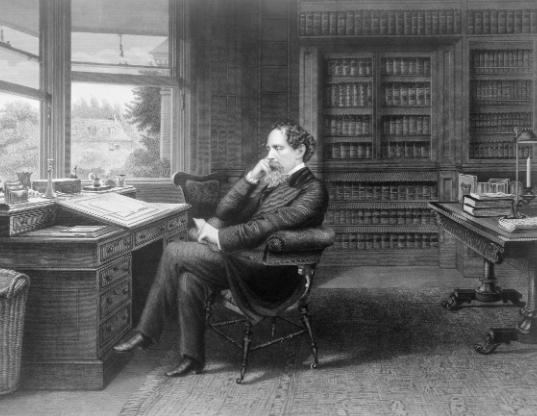
Charles Dickens is renowned for his masterful storytelling, weaving vivid contrasts throughout his narratives. By juxtaposing characters, settings, and themes, he not only enhances the emotional impact of his stories but also sheds light on the social issues of his time.
1. Character Contrasts
One of the most striking ways Dickens employs contrast is through his characters. For instance, in “A Christmas Carol,” the transformation of Ebenezer Scrooge from a miserly figure to a benevolent one highlights stark contrasts in morality and lifestyle. Dickens often pairs characters who embody opposite traits to underscore societal norms and human behaviors, like Scrooge with Bob Cratchit, whose warmth and cheerfulness reveal the flaws in Scrooge’s approach to life.
Another compelling example is the contrasting characters of Pip and Estella in “Great Expectations.” Pip’s humble beginnings and his internal struggles juxtaposed with Estella’s cold detachment highlight themes of class and ambition. These character contrasts not only engage the reader but also encourage deeper reflection on the nature of wealth, social status, and personal growth.
-
- Identify key characters with opposing traits in your writing.
-
- Analyze how these contrasts affect plot development.
-
- Consider the emotional journey of each character through their interactions.
-
- Reflect on how societal norms influence character behavior.
2. Setting Contrasts
Dickens also skillfully contrasts settings to deepen the emotional resonance of his narratives. In “Oliver Twist,” the dark, grim realities of the workhouse stand in stark contrast to the brightness of the countryside where Oliver yearns to be free. This use of setting not only reinforces the themes of hope and despair but also emphasizes the stark class divide inherent in his stories.
In “David Copperfield,” the contrast between the oppressive conditions of the Murdstone household and the warmth of Mr. Fezziwig’s festive environment enhances the reader’s understanding of the protagonist’s struggles. The vivid imagery of contrasting settings serves to reflect the inner turmoil and growth of the characters, making their journeys more poignant and relatable.
-
- Explore how setting influences the mood of your narrative.
-
- Use contrasting settings to symbolize emotional states or conflicts.
-
- Create vivid imagery in your descriptions to enhance reader engagement.
-
- Consider how different locales can shape character development.
3. Thematic Contrasts
Themes of poverty and wealth, ignorance and knowledge, and justice and injustice are recurring contrasts within Dickens’s work. In “Hard Times,” the stark division between the working class and the affluent industrialists showcases the ethical dilemmas of the Victorian era. By placing these themes side by side, Dickens invites readers to question societal values and human compassion.
In “Bleak House,” the contrast between the judicial system’s rigid bureaucracy and the personal struggles of its characters highlights the failures of justice. Dickens uses these opposing themes not just to entertain but as a vehicle for social commentary, forcing readers to confront the realities of their world and to question their own roles within it.
-
- Identify key themes in your narrative and explore their oppositions.
-
- Use contrasts to provoke thought and discussion among readers.
-
- Incorporate societal critique through thematic oppositions.
-
- Encourage emotional investment by highlighting character struggles within these themes.
4. Narrative Pacing through Contrast
Dickens also utilizes contrast to manipulate narrative pacing. By alternating between fast-paced scenes of action and slower, reflective moments, he keeps readers engaged. For instance, in “The Pickwick Papers,” the humorous and energetic encounters contrast sharply with more serious themes, allowing moments of introspection to resonate deeply with the reader.
This pacing technique helps to heighten tension or provide relief, making the reading experience dynamic. Readers are lured in by exciting developments, only to be grounded by slower reflections on life’s complexities, creating a satisfying rhythm to Dickens’s storytelling.
-
- Alternate between fast and slow scenes to maintain reader interest.
-
- Use contrast to emphasize significant moments in your story.
-
- Experiment with pacing to create emotional impact.
-
- Plan your narrative structure to include both action and reflection.
5. Social Commentary through Contrast
Finally, Dickens employs contrast as a form of social commentary, criticizing the disparities of Victorian society. In “A Tale of Two Cities,” the contrasting representations of London and Paris before the Revolution illustrate the themes of resurrection and sacrifice. This not only adds depth to the narrative but also highlights the extremes of social order during tumultuous times.
Such contrasts compel readers to examine their own social environments. By presenting characters in dire circumstances alongside those in positions of privilege, Dickens effectively prompts a critique of social norms and injustices, encouraging empathy and awareness among his audience.
-
- Reflect on the societal issues you wish to address in your writing.
-
- Utilize contrast to enhance the impact of your social commentary.
-
- Challenge your readers to think critically about the themes you present.
-
- Integrate real-world issues into fictional narratives for relevance.
In conclusion, Charles Dickens masterfully utilizes contrast in various aspects of his storytelling, from character dynamics to thematic explorations. By understanding and applying these techniques, you can enhance your own writing and engage your readers more profoundly. Consider incorporating these methods in your next literary endeavor to create richer narratives that resonate with audiences.