
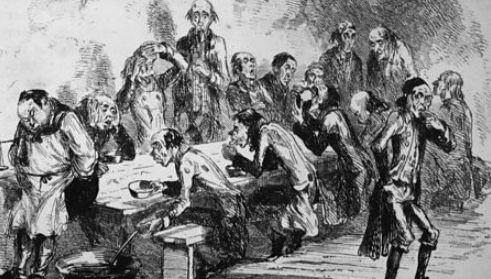
Charles Dickens is widely recognized for his vivid portrayals of Victorian society, particularly the harsh realities faced by the poor and marginalized. Through his novels, Dickens brings to light the rampant social injustices of his time, compelling readers to confront the disparities that existed between the rich and the poor.
1. Poverty and Class Disparity
In novels such as “Oliver Twist” and “David Copperfield,” Dickens highlights the stark contrasts between social classes. Through characters like Oliver, who is orphaned and raised in a workhouse, we see how poverty dehumanizes individuals, stripping them of their dignity and hope. Dickens exposes the flaws in the system that perpetuates this cycle of misery, suggesting that society is complicit in the suffering of its most vulnerable citizens.
Class disparity is further emphasized in “Great Expectations,” where Pip’s journey from a poor blacksmith’s apprentice to a gentleman illustrates how wealth can alter one’s identity but doesn’t guarantee moral integrity. Dickens critiques the notion that social status equates to value, forcing readers to reconsider the true meaning of success and worthiness in society.
-
- Reflect on how class affects identity in your own society.
-
- Engage in discussions about economic inequality with friends or family.
-
- Read Dickens’ works to gain a deeper understanding of these themes.
-
- Consider volunteering to help those in your community who are less fortunate.
2. Child Labor and Exploitation
Another pressing social injustice depicted by Dickens is the exploitation of children. In “Hard Times,” he portrays a grim picture of child labor, illustrating how young children were forced into factories and deprived of their childhoods. This systemic abuse serves as a powerful critique of industrialization, where profit often superseded the well-being of vulnerable children, leading them to a lifetime of hardship.
Through the character of Tiny Tim in “A Christmas Carol,” Dickens emphasizes the consequences of neglect and the ethical responsibilities that society has towards its youngest members. Tiny Tim’s fragile health symbolizes the vulnerability of children and highlights the urgent need for social reform. Dickens masterfully weaves narratives that beckon readers to empathize and take action against such indignities.
-
- Support organizations that work to combat child labor.
-
- Educate yourself on the current state of child exploitation globally.
-
- Advocate for policies that protect children’s rights.
-
- Participate in fundraisers or awareness campaigns for children’s welfare.
3. Judicial Inequality and Corruption
In Dickens’ works, the justice system often appears to be a tool of oppression rather than a means of protection. In “Bleak House,” the convoluted legal system is depicted as inefficient and corrupt, serving the wealthy while neglecting the needs of the innocent. Dickens shows that those who cannot afford legal representation often fall victim to its inefficiencies, leaving the powerless even more vulnerable to exploitation.
This portrayal serves as a poignant reminder that social justice is deeply intertwined with economic power. Dickens urges readers to reflect on the moral implications of a system where the law can be manipulated, and the rights of the poor are overlooked. His storytelling challenges us to consider the importance of accessibility and fairness in the law for all individuals, regardless of their social standing.
-
- Stay informed about legal rights and advocacy groups in your area.
-
- Participate in community forums discussing legal reforms.
-
- Support campaigns that aim to make the legal system more equitable.
-
- Engage with literature that critiques social and judicial injustices.
Charles Dickens’ exploration of social injustice is as relevant today as it was in his time. By educating ourselves and actively working towards change, we can help address the inequalities that still persist in our society. Let us take inspiration from Dickens and advocate for a fairer world, where everyone, regardless of their background, is treated with dignity and respect.