
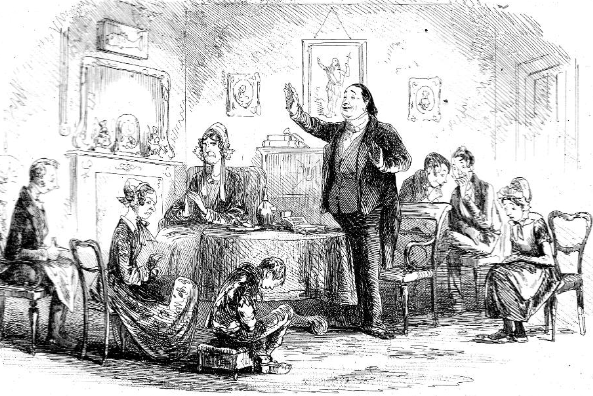
Charles Dickens stands as one of the most prominent figures in Victorian literature, using his novels not just to entertain but to comment deeply on the societal issues of his time. Through his rich characters and gripping plots, Dickens deftly criticized various institutions, uncovering the moral failings and injustices that plagued Victorian society.
1. Education: The Suffering of the Innocent
In “Hard Times,” Dickens paints a dystopian picture of education under the guise of strict utilitarianism. The character Thomas Gradgrind epitomizes the cold, factual approach to education that disregards imagination and creativity. This educational system not only stifles the young but also breeds a generation that can only compute but lacks compassion and empathy, leading to a hollow society devoid of true human connection.
Moreover, Dickens highlights the plight of children in “Oliver Twist,” showcasing the cruelty embedded within orphanages and schools. The character Oliver, whose innocence is continuously exploited, represents countless children subjected to harsh conditions and neglect. Through these narratives, Dickens calls for a more compassionate and holistic approach to education, transforming it into a nurturing environment rather than one of punishment and rigidity.
-
- Understand the importance of a balanced education that encourages both creativity and critical thinking.
-
- Recognize the destructive nature of a solely fact-based education system.
-
- Advocate for policies that protect the rights of children in educational institutions.
-
- Support initiatives that aim to reform schools to be more inclusive and nurturing.
2. The Criminal Justice System: A Call for Reform
In “David Copperfield” and various other works, Dickens critiques the Victorian criminal justice system, portraying it as punitive rather than rehabilitative. Characters like Magwitch from “Great Expectations” highlight the absurdity of harsh sentences meted out to individuals whose crimes often stem from poverty and desperation. Rather than focusing on rehabilitation, the system ends up perpetuating cycles of crime and punishment.
Furthermore, the portrayal of the legal system in “Bleak House” showcases the convoluted and often inaccessible nature of justice. The endless litigation in the Court of Chancery serves as a metaphor for the complexities and inefficiencies in legal proceedings, leaving many individuals lost and disenfranchised. Through this, Dickens appeals for a more rational, compassionate approach to justice that addresses the root causes of criminality rather than merely punishing actions.
-
- Educate yourself about the foundations of criminal justice reform.
-
- Advocate for restorative justice practices that focus on healing rather than punishment.
-
- Support organizations working to improve access to legal aid for underprivileged communities.
-
- Promote discussions around the need for systemic changes to prevent recidivism.
3. Poverty: The Hidden Crisis
Poverty is a recurring theme in Dickens’s works, serving as a stark reminder of the inequalities that plagued Victorian society. Through characters like Bob Cratchit in “A Christmas Carol,” Dickens illustrates the daily struggles of the working class, highlighting the impact of low wages and poor working conditions on families. His vivid descriptions bring to life the hardships faced by those living in poverty, encouraging readers to empathize with their suffering.
Moreover, the novel “Oliver Twist” exposes the harsh realities of child labor and the orphan system, portraying the dehumanization of the poor. Dickens uses these narratives not just to evoke sympathy but also to incite action against poverty and its systemic roots. He emphasizes the disconnection between the wealthy and the poor, urging society to recognize its responsibility towards those less fortunate and to implement social reforms that address these disparities.
-
- Get involved with local charities that provide support to impoverished communities.
-
- Educate yourself on the root causes of poverty, including systemic inequalities.
-
- Advocate for policies that aim to reduce income equality and enhance social welfare.
-
- Engage in discussions about poverty to raise awareness and inspire action.
Through deft storytelling and rich character development, Dickens not only entertained but also initiated critical conversations around education, justice, and poverty in Victorian society. His legacy serves as a timeless reminder that literature can be a powerful tool for social change. To engage with these issues more deeply, consider reading Dickens’s works, exploring community involvement opportunities, or advocating for reforms in your local area.