
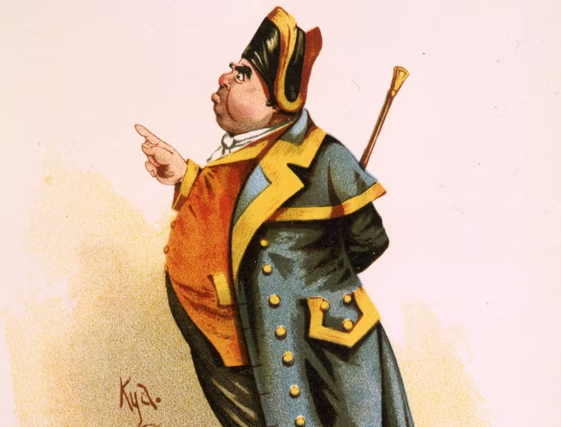
Charles Dickens, one of the most celebrated authors of the Victorian era, had an extraordinary talent for crafting unforgettable characters. His works often include vivid, larger-than-life personalities that resonate with readers long after the last page is turned. In this post, we will explore how Dickens created these intriguing figures that continue to capture the imagination.
1. The Power of Detailed Descriptions
One of Dickens’ remarkable techniques was his ability to paint a picture through detailed character descriptions. He meticulously described not just their physical appearance but also their quirks and mannerisms. For example, consider the memorable character of Ebenezer Scrooge from “A Christmas Carol.” Dickens provides descriptions that enable readers to visualize Scrooge’s cold demeanor and the transformation he undergoes throughout the story. Such vivid imagery allows readers to form a connection with the characters, making them feel real and relatable.
This technique went beyond simple aesthetics; Dickens’ descriptions usually hinted at a character’s backstory or emotional state. By showing rather than telling, he allowed readers to piece together clues that enriched their understanding of each character. This depth elevates the reading experience, encouraging readers to delve into the motivations behind a character’s actions.
-
- Pay attention to physical traits that reflect internal character.
-
- Use specific adjectives to create a vivid image.
-
- Include unique habits or quirks to make characters memorable.
-
- Avoid generic traits and strive for uniqueness.
2. Complex Motivations and Backstories
Another signature aspect of Dickens’ character creation is the depth of motivation and backstory. Dickens often crafted characters whose experiences shaped their worldview, making them more relatable. For instance, consider Oliver Twist, an orphan who faces a series of hardships throughout his life. His innocence is juxtaposed against a backdrop of neglect and cruelty, revealing a complex character driven by the desire for belonging and love.
By developing comprehensive backstories, Dickens gives readers insight into why characters behave in certain ways, making their journeys more poignant. This complexity fosters empathy from the audience, urging them to root for the character’s success or redemption. It transforms characters from mere figments of imagination into beings that reflect real human experiences.
-
- Create backstories that provide context for character motivations.
-
- Use flashbacks or dialogue to reveal past experiences.
-
- Make sure characters’ actions align with their backgrounds.
-
- Allow characters to evolve over time based on their experiences.
3. Distinctive Dialogue Styles
Dickens is known for his distinctive use of dialogue to bring characters to life. Each character often has a unique way of speaking that reflects their personality and social standing. For instance, the pompous Mr. Bumble speaks in a grandiose, self-important tone, while the witty and sharp-tongued characters, like the Artful Dodger, communicate with a clever dialect that reveals their street savvy.
The effectiveness of dialogue lies in its ability to convey not only information but also emotion and character. It helps define social class, education level, and individual idiosyncrasies, making each character memorable. Witty repartee and heartfelt exchanges keep readers engaged, allowing them to connect deeply with each character’s plight and aspirations.
-
- Define each character’s speech patterns based on background.
-
- Incorporate slang or unique phrases for authenticity.
-
- Use dialogue to reveal character traits and motivations.
-
- Ensure that conversations feel natural and authentic.
4. Moral Ambiguity and Flawed Characters
Perhaps one of the most compelling features of Dickens’ characters is their moral complexity. Rather than painting characters in black and white, he presents them as flawed individuals who grapple with their ethics. Take the character of Sydney Carton from “A Tale of Two Cities,” who evolves from a seemingly wasted life into a heroic figure. This moral ambiguity invites readers to reflect on their values and the nature of redemption.
By constructing morally complex characters, Dickens challenges readers to consider their own perspectives on right and wrong. These layers make characters more relatable; no one is entirely good or entirely evil, and this realism resonates deeply with audiences. It adds depth to the narrative, allowing for a richer reading experience.
-
- Give characters both strengths and weaknesses.
-
- Allow for moments of moral conflict to deepen their journey.
-
- Encourage growth or change throughout the storyline.
-
- Show that flawed choices can lead to profound lessons.
In conclusion, Dickens’ unforgettable characters continue to resonate due to their detailed descriptions, complex motivations, distinctive dialogues, and moral ambiguity. These elements combine to create rich, layered personalities that readers can connect with on multiple levels. As you explore your own storytelling journey, consider incorporating these techniques to breathe life into your characters and engage your audience.