
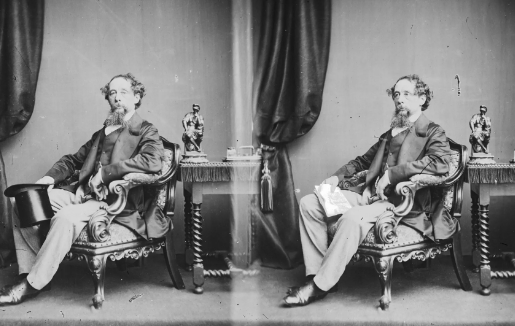
Charles Dickens, a master storyteller of the Victorian era, intricately weaves themes of friendship and loyalty throughout his novels. Through memorable characters and enduring relationships, he illustrates how these values shape the human experience and add depth to personal connections.
1. Friendship as a Lifeline
In many of Dickens’s works, friendship acts as a vital lifeline, providing characters with solace and strength. For instance, in “David Copperfield,” the relationship between David and his loyal friend, Tommy Traddles, showcases how friendship can uplift and empower individuals. Despite their different social standings, their bond becomes a source of support for both as they navigate life’s challenges.
Moreover, in “The Pickwick Papers,” the camaraderie among the Pickwick Club members emphasizes the importance of loyal friendships. The group’s adventures highlight not only the fun of companionship but also the comfort it brings during hardships. These friendships remind readers that true companionship can enrich life, providing emotional refuge in difficult times.
-
- Seek diverse friendships that enhance your life experience.
-
- Be present and show support to friends during tough times.
-
- Engage in shared activities to strengthen bonds.
-
- Communicate openly to foster understanding and trust.
2. Loyalty in Adversity
Loyalty serves as a powerful force in Dickens’s narratives, often emerging in times of adversity. In “Great Expectations,” we see the unwavering loyalty of Joe Gargery toward Pip, despite Pip’s snobbery and class aspirations. Joe’s consistent support embodies true loyalty, illustrating how such steadfastness can provide essential grounding for those navigating complex emotions and societal pressures.
Additionally, “Oliver Twist” illustrates the theme of loyalty through the character of Nancy. Despite her troubling circumstances and relationships, her loyalty to Oliver drives her to make significant sacrifices. This stark portrayal of loyalty amid moral dilemmas showcases how profound bonds can lead individuals to act courageously, even when faced with personal risk.
-
- Identify and nurture relationships that exemplify loyalty.
-
- Stand by friends during hard times, showcasing strong support.
-
- Be honest and transparent in your interactions to build loyalty.
-
- Recognize acts of loyalty and appreciate them, strengthening the bond.
3. The Duality of Friendship and Loyalty
Dickens often explores the duality of friendship and loyalty, showcasing how these themes can sometimes conflict. In “A Tale of Two Cities,” Sydney Carton’s loyalty to Charles Darnay leads to his ultimate sacrifice. Carton’s friendship becomes a profound narrative of selflessness, reminding readers that true loyalty sometimes requires significant personal sacrifice for the greater good of others.
This contrast is also evident in “Little Dorrit,” where Arthur Clennam’s friendship with Amy Dorrit reveals layers of loyalty entwined with socio-economic struggles. As Arthur grapples with his feelings of loyalty to family and friends, the story highlights the complexity of balanced relationships. Dickens masterfully illustrates how navigating these complexities can result in characters evolving and transforming, deepening their understanding of life and human connections.
-
- Reflect on the balance between loyalty and personal boundaries.
-
- Understand the complexities involved in friendships.
-
- Communicate about expectations to prevent misunderstandings.
-
- Recognize when to prioritize personal well-being over loyalty.
4. Lessons from Dickens on Building Stronger Bonds
Dickens’s portrayals of friendship and loyalty offer valuable lessons for building meaningful relationships in our lives. His characters remind us that the quality of friendships often outweighs the quantity. For instance, establishing deep connections with a few trusted friends can lead to more fulfilling interactions than having a large circle of acquaintances.
Furthermore, Dickens emphasizes the need for mutual respect and understanding in friendships. Readers see that loyalty is built on a foundation of respect. This insight encourages individuals to cultivate relationships that prioritize emotional support and honesty, fostering an environment where friendships can thrive.
-
- Invest time in developing a few close friendships rather than many superficial ones.
-
- Practice active listening to show that you value your friends’ opinions.
-
- Reflect on your behaviors and how they impact your friendships.
-
- Celebrate milestones together to strengthen your bond.
In conclusion, Dickens’s exploration of friendship and loyalty transcends time, offering insights that remain relevant today. By reflecting on these themes and integrating them into our lives, we can forge deeper connections and cultivate lasting friendships that enrich our experiences. Consider reaching out to a friend today, or perhaps take a moment to reflect on the loyalties that shape your life.