
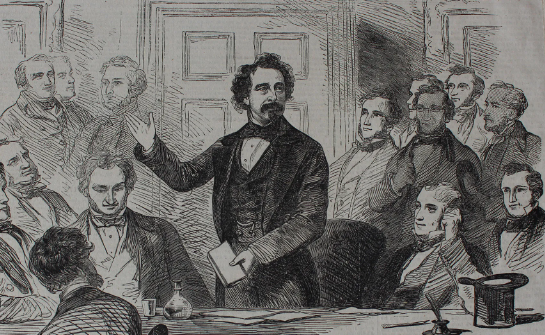
Charles Dickens is often regarded as one of the greatest novelists of the Victorian era, but beyond his storytelling prowess, he presented a powerful vision of a better society. His enduring themes of social justice, compassion, and reform resonate just as much today as they did in the 19th century.
1. The Plight of the Poor
In many of Dickens’s work, particularly in “Oliver Twist” and “David Copperfield,” the struggles faced by the poor serve as a primary backdrop. Dickens exposed the harsh realities of poverty, showcasing the desperate lengths to which individuals would go to survive. Through characters such as Oliver and Little Dorrit, he illustrates how lack of resources often leads to poor choices, entrapment in cycles of poverty, and even criminality.
Moreover, Dickens did not merely depict the poor as victims; he gave them depth, showcasing their hopes and dreams. This representation brings humanity to societal struggles, urging contemporary readers to empathize and recognize the responsibilities of a thriving community. Dickens used his narratives to advocate for better living and working conditions, emphasizing that society has a moral obligation to uplift the vulnerable.
-
- Engage with local charities that support the underprivileged.
-
- Educate yourself on social issues affecting your community.
-
- Advocate for policies that improve labor rights and housing.
-
- Volunteer at shelters or food banks to understand the plight of the poor firsthand.
2. The Importance of Education
Dickens strongly believed in the transformative power of education as a means of achieving social reform. In “Hard Times,” he critiques the utilitarian approach to learning, highlighting how education should not only be about feeding the mind but also the heart. He emphasized the importance of cultivating creativity, emotional intelligence, and critical thinking in individuals to contribute to a well-rounded society.
By presenting the lack of access to education in his narratives, Dickens drew attention to a critical societal issue still relevant today. For instance, in “Great Expectations,” Pip’s transformation is linked directly to his access to education, underscoring its role as a pathway to a brighter future. This underlying message continues to inspire efforts toward equal educational opportunities.
-
- Support local mentorship programs for youth.
-
- Advocate for education reforms that promote equality.
-
- Encourage creative and critical thinking in children and young adults.
-
- Explore ways to make learning accessible, such as donating books or resources.
3. Social Responsibility and Community Values
Another integral aspect of Dickens’s vision for a better society is the importance of social responsibility and the cultivation of community values. His portrayal of characters embodies collective action, emphasizing that individual success should never come at the expense of the community. In “A Christmas Carol,” the transformation of Ebenezer Scrooge highlights how personal redemption can lead to broader societal impacts when one embraces generosity and compassion.
Through Scrooge’s journey, Dickens illustrates the importance of giving back and engaging with one’s community. The underlying message is that a society thrives when individuals work together and support one another, promoting inclusivity and empathy. This call for social responsibility remains relevant as communities face various challenges today, from economic disparities to social injustices.
-
- Get involved with community service initiatives.
-
- Create a neighborhood group focused on local issues.
-
- Encourage businesses to adopt socially responsible practices.
-
- Support local arts and community events that strengthen social ties.
4. Advocacy for Reform
Dickens was not just a storyteller; he was a social reformer advocating for change through literature. In novels like “Bleak House,” he tackled complex issues such as the inefficiencies of the legal system and the plight of women. His narratives often served as a critique of existing societal norms, urging readers to question injustices and advocate for reform.
He used his platform to bring attention to pressing societal issues, laying the groundwork for future advocates to fight for change. Dickens believed that literature could serve as a powerful tool for awareness and transformation, inspiring others to take action against systemic issues. This advocacy approach continues to motivate activists today to utilize their voices and talents for the betterment of society.
-
- Read and share literature that addresses social issues.
-
- Participate in discussions about reformative policies and their impact.
-
- Use social media to raise awareness about critical issues.
-
- Join or create advocacy groups focused on social change.
In conclusion, Charles Dickens’s vision of a better society serves as an inspiring call to action. By understanding the themes found in his work, we can find motivation to become advocates for change ourselves. Whether it’s through volunteering, supporting education, or engaging in social reform, every small step contributes to creating a more compassionate and equitable world.