
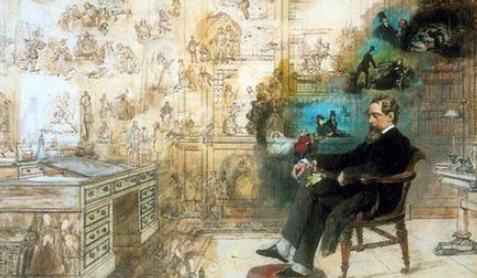
Charles Dickens, one of the most prolific authors of the Victorian era, had a profound impact on literature and social reform. His works often reflect his views on society, highlighting the injustices faced by the poor and advocating for societal change. This post delves into Dickens’s perspective on society and reform, examining how his writings continue to resonate in contemporary discussions about social issues.
1. The Plight of the Poor in Dickens’s Works
In novels like “Oliver Twist,” Dickens vividly portrays the grim realities faced by the lower class in Victorian England. He delves deep into the struggles of orphans, the working poor, and the injustices they encounter at the hands of indifferent institutions. By personifying these hardships through relatable characters, such as the innocent Oliver, readers gain insight into the emotional and physical suffering experienced by the underprivileged.
Moreover, Dickens employs satire to critique social norms and institutions, like the workhouses that were meant to aid the poor but often exacerbated their plight. His rich characterization not only evokes sympathy but also galvanizes public opinion toward reforming these oppressive systems. For example, the scenes depicting the cruelty and neglect in these settings prompted many readers to advocate for government intervention and better treatment of the poor.
-
- Read “Oliver Twist” to understand the struggles of orphanhood.
-
- Look for similar themes in Dickens’s other works, such as “David Copperfield.”
-
- Engage in discussions about poverty and societal neglect.
-
- Explore contemporary issues of income inequality and their literary reflections.
2. Reforming Social Institutions Through Literature
One of Dickens’s primary motives was to expose the flaws in social institutions such as the legal system, education, and orphanages. In “Bleak House,” he critiques the convoluted legal process that frustratingly entangles the characters, epitomizing how the law often serves the wealthy at the expense of the vulnerable. By weaving these critiques into his narratives, he compels readers to reconsider the fairness and efficacy of these systems.
Through his characters’ struggles, Dickens pushes for reforms that address not only the symptoms but also the underlying causes of social issues. For instance, education is celebrated in works like “Hard Times,” where its impact on enriching lives is fundamental. Dickens advocates for a system that genuinely nurtures rather than one that merely prepares individuals for labor, thus encouraging readers to advocate for educational reforms as a means to uplift society.
-
- Identify ways education can be improved in your community.
-
- Discuss the importance of legal reforms in addressing social justice.
-
- Encourage participation in local advocacy groups focused on education.
-
- Explore the historical context of Dickens’s critiques and their relevance today.
3. The Role of Empathy and Compassion in Reform
Dickens firmly believed that empathy and compassion are essential for creating a just society. His characters often undergo transformative experiences leading them to understand the lives of others, reinforcing the importance of viewing the world through a lens of compassion. For instance, Scrooge’s transformation in “A Christmas Carol” embodies the notion that personal change can lead to broader societal reform, illustrating how individual actions can foster collective goodwill.
By eliciting emotional responses from his readers, Dickens aims to inspire action. As characters learn from their mistakes and grow through compassionate interactions, readers are prompted to reflect on their own roles within society. This call to empathy is not merely for moral satisfaction; it serves as a catalyst for actual reform, encouraging individuals and communities to work together towards bettering the conditions for the less fortunate.
-
- Practice empathy by volunteering in local community services.
-
- Engage with people from diverse backgrounds to broaden your perspective.
-
- Support charitable organizations that resonate with Dickens’s values.
-
- Participate in discussions about social injustice and potential solutions.
In conclusion, Dickens’s view of society and reform remains highly relevant, as it highlights the ongoing struggles against poverty, the importance of educational and legal reforms, and the necessity of empathy. By immersing ourselves in his works and reflecting on their implications, we can take meaningful steps toward advocating for a more just and compassionate society. Consider engaging with local initiatives and fostering discussions on these topics to further the cause of reform.