
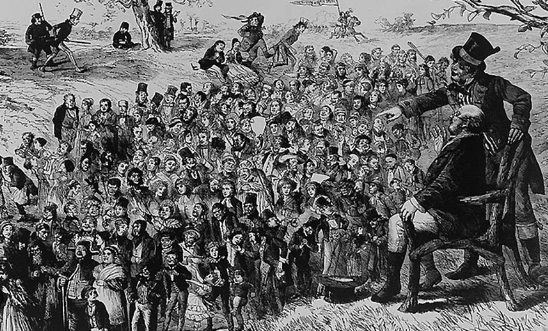
Charles Dickens, one of the greatest Victorian novelists, frequently explored the stark contrasts between wealth and poverty in his works. Through vivid characters and intricate plots, he captured the struggles faced by the poor and the moral failings of the affluent. This treatment serves not only as social commentary but also as an empathetic exploration of human conditions.
1. The Harsh Realities of Poverty
In many of Dickens’s novels, poverty is portrayed not merely as a backdrop but as a significant force shaping the characters’ destinies. Characters like Oliver Twist in “Oliver Twist” exemplify the dehumanizing effects of poverty. The orphan’s life in a workhouse is marked by cruelty and neglect, showcasing how institutions designed for aid can instead perpetuate suffering. Dickens uses such settings to highlight society’s failures to protect its most vulnerable members.
Moreover, the experiences of characters like David Copperfield mirror the struggles of many in Victorian England. Dickens emphasizes that poverty breeds despair and hopelessness, often resulting in moral dilemmas and ethical choices. Through vivid scenes and descriptive language, he immerses readers in the harsh realities faced by the impoverished, urging them to empathize and consider the societal responsibilities we hold.
-
- Acknowledge the systemic causes of poverty.
-
- Recognize the individual stories behind poverty.
-
- Be empathetic and compassionate toward those struggling.
-
- Advocate for reforms that support those in need.
2. The Moral Implications of Wealth
Wealth in Dickens’s novels often comes with moral ambiguity. Characters like Ebenezer Scrooge from “A Christmas Carol” demonstrate how wealth can lead to an isolation that stifles humanity and compassion. Scrooge’s initial miserly ways illustrate the dire consequences of prioritizing wealth over relationships and community. Through the character’s transformation, Dickens reflects the idea that wealth should be a tool for good rather than a means of oppression.
Additionally, Dickens explores the idea that the wealthy are often blinded to the lives of the poor. In “Great Expectations,” characters like Pip are depicted as being ashamed of their humble beginnings when they rise in social status. This duality reflects the complex dynamics of wealth, showing how prosperity can distort perceptions and values. Dickens invites readers to question their relationships with wealth and whether those relationships are fostering or hindering their humanity.
-
- Consider how wealth influences your values and relationships.
-
- Use your resources to uplift those around you.
-
- Reflect on the ethical paths of your financial decisions.
-
- Avoid allowing wealth to cloud your sense of empathy.
3. The Call for Social Change
Dickens’s treatment of wealth and poverty also serves as a rallying cry for social reform. He was a vocal critic of the injustices of his time, using his platform to advocate for changes in social policy and attitudes. His novels often highlight systemic issues, urging readers to take action against social injustices, such as child labor, lack of education, and inadequate living conditions.
Through his vivid storytelling and relatable characters, Dickens inspires societal introspection. The plight of the impoverished reveals the moral obligation of those who are better off to act as stewards of change. His narratives encourage readers not to be mere spectators but to engage actively in the promotion of social justice and equality.
-
- Stay informed about social issues affecting your community.
-
- Support local charities or organizations focused on poverty alleviation.
-
- Participate in community discussions about social justice.
-
- Share Dickens’s works with others to raise awareness.
Charles Dickens’s exploration of wealth and poverty continues to resonate today. His ability to weave social commentary through compelling narratives provides a powerful lens through which to examine our own society. By reflecting on his insights, we can take meaningful steps toward fostering a more equitable world.