
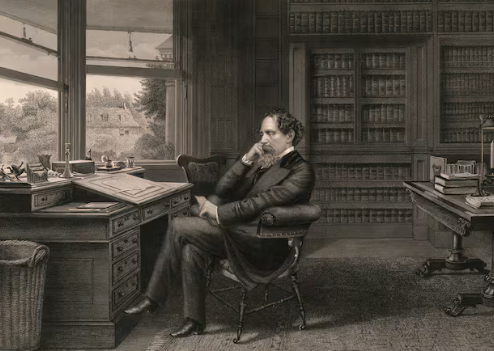
Charles Dickens, one of the most celebrated authors of the Victorian era, holds a unique place in literary history. His works not only entertained but also addressed pressing societal issues of his time, making him a key figure in both literature and social reform.
1. The Impact of Dickens’s Social Commentary
Dickens’s novels often reflect the struggles of the poor and the injustices of the social system during the Victorian era. Works like “Oliver Twist” and “David Copperfield” highlight the harsh realities faced by children and the working class, drawing attention to issues like child labor and class disparity. His characters, such as the orphaned Oliver and the downtrodden David, became symbols for social change, urging readers to empathize with the less fortunate.
Beyond mere storytelling, Dickens used his platform to advocate for reform. His vivid descriptions and memorable characters served as a critique of societal norms, urging readers to question the status quo. The overwhelming success of his serialized publications helped bring widespread attention to these issues, influencing public opinion and shaping social policy.
-
- Read Dickens’s most famous works to understand his themes.
-
- Research the social issues presented in his novels.
-
- Explore how Dickens’s own experiences shaped his characters.
-
- Discuss his influence on social reform movements of the time.
-
- Attend lectures or workshops about literary social commentary.
2. Literary Innovations and Style
Charles Dickens’s contributions to literary style are as noteworthy as his themes. He is well-known for his serialized storytelling, which allowed him to develop his characters and plots in real-time, creating suspense and reader investment. This method of distribution transformed how novels were consumed, making literature more accessible to the masses.
Moreover, Dickens mastered the art of characterization, creating unforgettable figures that have become ingrained in popular culture. His use of comedic elements mixed with tragedy captures the complexity of life, and his rich, descriptive language transports readers to the settings of his stories. His innovative narrative techniques, such as using multiple viewpoints and intertwining plots, have influenced countless writers who followed him.
-
- Analyze Dickens’s unique narrative style in his works.
-
- Experiment with serialized storytelling in your own writing.
-
- Examine the evolution of characters throughout his novels.
-
- Identify the various genres Dickens blended in his writing.
-
- Read critiques of his literary techniques for deeper understanding.
3. Dickens’s Enduring Legacy and Influence
Charles Dickens’s impact on literature continues to resonate today. Modern writers often cite him as an inspiration, and adaptations of his works are prevalent in film, theater, and literature. His themes remain relevant, as issues of poverty, inequality, and moral failings endure in contemporary society.
Furthermore, Dickens established a benchmark for storytelling that balances entertainment with social critique. His ability to create a connection with readers—through humor, empathy, and memorable plots—has influenced how narratives are constructed in various media. Events like “Dickens Fairs” celebrate his legacy, while modern adaptations of his work continue to attract new audiences.
-
- Explore adaptations of Dickens’s works in film and theater.
-
- Follow discussions in literary communities about his influence.
-
- Read contemporary authors who have been inspired by Dickens.
-
- Participate in events that commemorate his literary contributions.
-
- Reflect on how Dickens’s themes resonate with today’s issues.
In conclusion, Charles Dickens is more than just a great writer; he is a pivotal figure in literary history whose works have sparked important social conversations. Exploring his novels and understanding their context can provoke thought and inspire action in today’s world, encouraging a new generation to advocate for change. Consider diving into one of his novels or engaging with others in discussions about his lasting impact on literature and society.