
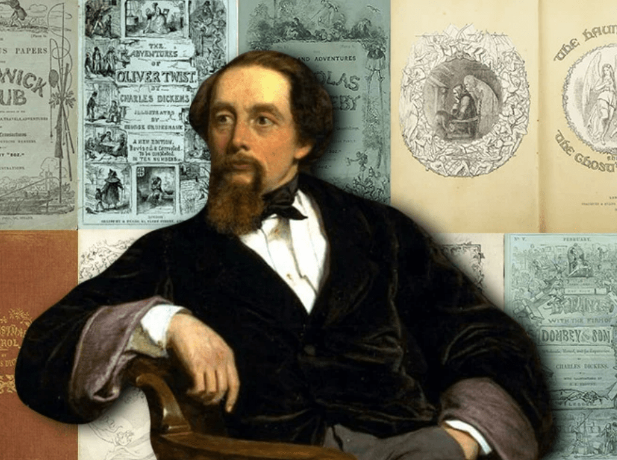
Charles Dickens is widely celebrated for his distinct narrative style, which combines vivid descriptions, memorable characters, and social commentary. His approach not only enchants readers but also invites them to reflect on the issues of the time in which he wrote. In this blog post, we will explore some of the key elements of Dickens’s narrative style.
1. Characterization: Bringing Figures to Life
One of the most captivating aspects of Dickens’s narrative style is his rich characterization. He has an incredible ability to create larger-than-life characters who often symbolize various societal issues. For instance, characters like Ebenezer Scrooge in “A Christmas Carol” and Oliver Twist in “Oliver Twist” are not only memorable but also serve as vehicles for moral lessons. Through their struggles and transformations, Dickens provides commentary on compassion, charity, and social injustice.
Additionally, Dickens uses a range of techniques to deepen his characters. He often employs direct and indirect characterization, allowing readers to understand characters through their actions, dialogues, and thoughts. His use of humor, irony, and hyperbole also makes these characters more relatable and entertaining. For example, Mr. Micawber’s optimism in “David Copperfield” contrasts sharply with his financial woes, showcasing Dickens’s knack for blending humor with serious themes.
-
- Consider using direct and indirect characterization in your writing.
-
- Focus on moral lessons that your characters embody or struggle with.
-
- Use humor or irony to make your characters more relatable.
-
- Develop complex backgrounds to add depth to your figures.
-
- Incorporate quirks or unique traits for enhanced memorability.
2. Descriptive Language: Painting Vivid Pictures
Dickens’s narrative style is also characterized by his use of descriptive language, which serves to create immersive settings and atmospheres. Whether he is depicting the fog-covered streets of London or the warmth of a family gathering, Dickens’s lyrical prose makes readers feel as if they are part of the scene. In “Bleak House,” for instance, he provides such detailed descriptions of the court and its complexities that readers can almost feel the oppressive weight of the legal system.
Furthermore, Dickens often employs sensory details to evoke emotions and enhance the realism of his narratives. By describing sights, sounds, smells, and feelings, he transports readers into his world. This approach makes the struggles and joys of his characters resonate deeply with audiences, allowing them to empathize with their plights and triumphs.
-
- Use sensory details to engage readers’ senses in your writing.
-
- Think about the atmosphere you want to create and choose words accordingly.
-
- Show, don’t tell; let readers experience the scene through detailed imagery.
-
- Experiment with similes and metaphors for vivid comparisons.
-
- Use setting to reflect the mood and themes of your narrative.
3. Social Commentary: Reflecting Society
Dickens is renowned for weaving social commentary throughout his narratives, addressing issues such as poverty, child labor, and class disparity. His works often highlight the struggles of the disadvantaged, urging readers to reflect on moral and ethical responsibilities. In “Hard Times,” for example, Dickens critiques industrialization and its dehumanizing effects, illustrating the lives of workers who suffer under oppressive conditions.
This social critique is frequently interspersed with humor and satire, allowing Dickens to discuss serious topics while keeping readers entertained. By using his characters to personify societal issues, he creates a dialogue around the need for social reform. His poignant observations remain relevant today, encouraging readers to consider the implications of their social structures.
-
- Integrate social themes into your narrative for deeper impact.
-
- Use characters to embody societal issues, making them more relatable.
-
- Incorporate humor or satire to engage readers with difficult subjects.
-
- Encourage discussion about ethical responsibilities through your narratives.
-
- Reflect on contemporary social issues in your writing to foster relevance.
In conclusion, Charles Dickens’s narrative style is a fusion of rich characterization, descriptive language, and social commentary. By understanding these key elements, writers can strive to emulate his masterful storytelling techniques. For those inspired by Dickens’s work, consider taking the next step to develop your own style, drawing from the depth and vibrancy of his narratives.