
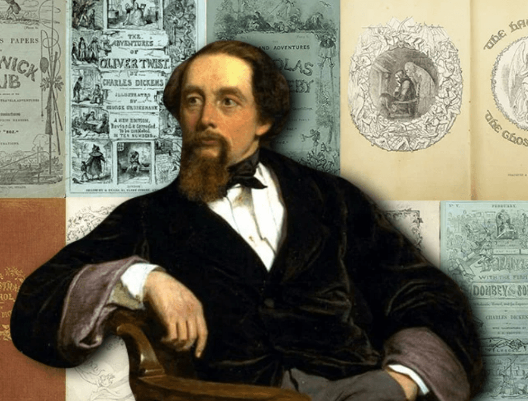
Charles Dickens is renowned for his unique language and descriptive style, which breathe life into his characters and settings. His ability to vividly paint scenes is paired with a mastery of rhythm and tone, making his works engaging and memorable. This post explores the elements of Dickens’s language and style that contribute to his literary legacy.
1. Rich Descriptive Language
One of the hallmarks of Dickens’s writing is his use of rich descriptive language that brings his settings and characters to life. For instance, in “Bleak House,” he describes the fog as a living entity that envelops London, personifying it to evoke a sense of gloom and urgency. Such vivid depictions not only set the mood but also reflect the inner struggles of the characters. Dickens uses detailed, sensory images that allow readers to visualize and feel the world he’s creating.
This descriptive flourishes extend to characters as well. Take Ebenezer Scrooge from “A Christmas Carol,” where Dickens doesn’t merely state Scrooge is miserly; he illustrates his cold demeanor through various actions and habits. This layered approach means a simple description transforms into a multifaceted character portrait that resonates with readers, drawing them deeper into the narrative.
-
- Pay attention to sensory details; describe sights, sounds, and even smells.
-
- Use metaphors and similes to enhance descriptions.
-
- Vary sentence lengths to create rhythm and flow.
-
- Employ personification to give life to inanimate objects.
-
- Develop characters through detailed actions rather than just dialogue.
2. Engaging Dialogue
Dialogue in Dickens’s novels is not just a means of communication; it’s a crucial tool for characterization and social commentary. His characters speak in distinctive voices, each reflecting their background, class, and personality. For instance, the speech of the protagonist in “David Copperfield,” filled with enthusiasm and curiosity, stands in stark contrast to the cynical remarks of his Aunt Betsey Trotwood. This variety adds depth, making characters feel authentic and relatable.
Moreover, Dickens’s dialogue often includes humor and wit, enhancing the emotional impact of the narrative. For example, the banter between characters often serves to lighten serious moments, making the tragedy within the story more relatable and poignant. This balanced approach not only entertains but also encourages reflection on the themes he explores, such as social injustice and human resilience.
-
- Create distinct voices for each character based on their background.
-
- Incorporate humor to relieve tension or highlight a theme.
-
- Use dialect and colloquialisms to enhance authenticity.
-
- Reveal character traits through their choice of words and expressions.
-
- Balance dialogue with narrative to maintain pacing.
3. Thematic Symbolism
Another essential aspect of Dickens’s descriptive style is his use of symbolism, which enriches the thematic depth of his works. Objects, settings, and even weather often symbolize larger concepts, such as poverty, injustice, or redemption. For example, the recurrent fog in “Bleak House” symbolizes the murkiness of the legal system, mirroring the confusion and despair experienced by the characters trapped within it. Through such symbols, Dickens invites readers to ponder the broader implications of his characters’ struggles.
Additionally, the use of contrasting settings often underlines his messages. In “Great Expectations,” the desolate marshes symbolize Pip’s struggles, while the grandeur of Satis House reflects wealth and the unattainable dreams that drive him forward. This duality creates a rich tapestry that encourages readers to engage with the underlying themes on a deeper level.
-
- Identify key themes in your writing and think about symbols that represent them.
-
- Use contrasting settings to highlight character development or thematic elements.
-
- Incorporate everyday objects as symbols to deepen meaning.
-
- Encourage readers to discover multiple layers of interpretation.
-
- Consistently connect symbols to character arcs for cohesion.
4. Narrative Style and Structure
Dickens is known for his fluid narrative style, seamlessly switching between character perspectives and employing flashbacks and foreshadowing. In “Oliver Twist,” the shifts in narrative perspective allow readers to see the plight of orphans through various lenses, from the kindness of Mr. Brownlow to the cruelty of Fagin. This dynamic structure not only maintains reader engagement but also creates a more complex understanding of the social issues he critiques.
Furthermore, his penchant for cliffhangers at the end of chapters encourages a page-turning experience. This style of storytelling keeps readers invested in the characters’ fates, reminiscent of serialized storytelling in newspapers, which was common during Dickens’s time. In turn, this adds to the immersive nature of his narratives, drawing readers into the intricate web of his plots.
-
- Experiment with different narrative perspectives to enhance depth.
-
- Utilize chapter endings strategically to maintain suspense.
-
- Incorporate flashbacks to enrich character backstories.
-
- Ensure each chapter contributes meaningfully to the overarching narrative.
-
- Balance drama and exposition to keep the reader engaged.
In conclusion, Dickens’s masterful use of language and descriptive style not only entertains but also engages readers on multiple levels. By incorporating rich descriptions, engaging dialogue, thematic symbolism, and a dynamic narrative structure, aspiring writers can draw inspiration from his techniques. Consider these elements as you craft your stories to create a similar depth and resonance in your writing journey.