
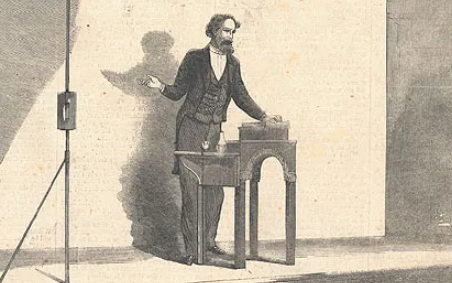
Charles Dickens is a literary giant whose influence can still be felt in contemporary storytelling. His complex characters, vivid settings, and intricate plots resonate with modern writers and audiences alike, shaping the narratives we consume today.
1. Character Development and Relatability
One of Dickens’s most significant contributions to storytelling is his approach to character development. He had an uncanny ability to create relatable and multi-dimensional characters. For example, characters like Ebenezer Scrooge and Oliver Twist have become archetypes in literature, illustrating the complexities of human nature. Modern authors borrow from Dickens’s detailed character studies, investing time in backstories and motivations that make their characters feel real and engaging.
Moreover, many modern narratives echo the themes of redemption and social justice that Dickens often explored. The emotional resonance of his characters allows readers to connect deeply with their struggles and triumphs. Today, authors strive to craft characters that reflect diverse backgrounds and experiences, just as Dickens did, in an effort to create a more inclusive literary landscape.
-
- Invest time in backstory to create relatable characters.
-
- Explore moral dilemmas to add depth to character arcs.
-
- Focus on character relationships to reflect real-life complexities.
-
- Incorporate social issues to resonate with contemporary audiences.
2. Use of Narrative Structure
Another hallmark of Dickens’s storytelling is his masterful use of narrative structure. His novels often feature subplots and intertwining storylines, which help to build tension and engage readers over long forms of storytelling. For example, in “Great Expectations,” the main narrative is enriched by Pip’s relationships with other characters, each adding layers to his coming-of-age journey. This structural technique keeps readers invested, providing multiple threads to follow.
Contemporary writers often utilize these narrative structures, employing techniques such as cliffhangers and non-linear timelines to maintain reader interest. The suspense that Dickens created allows modern authors to experiment more boldly with pace and rhythm in their own narratives, effectively heightening drama and conflict in stories.
-
- Use subplots to enrich the main story without overshadowing it.
-
- Introduce cliffhangers at chapter ends to maintain suspense.
-
- Consider non-linear storytelling to reveal character depth gradually.
-
- Experiment with pacing to keep readers engaged throughout the narrative.
3. Thematic Depth and Social Commentary
Dickens was never shy about embedding social commentary into his work, and this has left a lasting imprint on modern storytelling. His novels often highlighted the struggles of the poor and critiqued societal norms, as seen in “Hard Times” and “David Copperfield.” This theme of social injustice encourages authors today to incorporate relevant issues into their narratives, making stories not just entertaining but also thought-provoking.
Writers now have the opportunity to address contemporary social issues such as inequality, mental health, and environmental concerns through their characters and plots. By doing so, they can evoke emotional responses and encourage readers to reflect on their own lives and societal structures. Dickens’s integration of personal experience with broader themes continues to inspire modern writers in their quests to create impactful stories.
-
- Incorporate social issues into character arcs for depth and relatability.
-
- Create settings that reflect societal problems, enhancing the narrative.
-
- Encourage discussions on themes through character interactions.
-
- Balance entertainment with thought-provoking ideas for maximum impact.
4. Vivid Settings and Imagery
Another aspect of Dickens’s storytelling is his rich, descriptive settings. His detailed portrayals of Victorian London serve not only as backdrops but also as characters in their own right. By doing this, Dickens enhances the emotional weight of his narratives, making the settings integral to the story. This technique encourages modern authors to create immersive worlds that compel readers to visualize and engage with the environments their characters inhabit.
Today’s narrative landscapes often utilize vivid imagery to evoke emotions tied to specific locations. Writers are increasingly attentive to how the ambiance of a setting influences character behavior and plot development. This emphasis on atmosphere is a direct nod to the immersive worlds Dickens excelled in creating, allowing for storytelling that is both rich and engaging.
-
- Utilize descriptive language to create immersive settings.
-
- Make settings dynamic elements that influence character actions.
-
- Create atmosphere that reflects the tone of the narrative.
-
- Draw on reader sensory experiences for deeper engagement.
In conclusion, Charles Dickens has left an indelible mark on modern storytelling, influencing character development, narrative structure, thematic depth, and vivid imagery. As we write our own stories, let us draw inspiration from his work, weaving complexity and relatability into our narratives. Consider how you can incorporate these timeless elements into your own storytelling journey.