
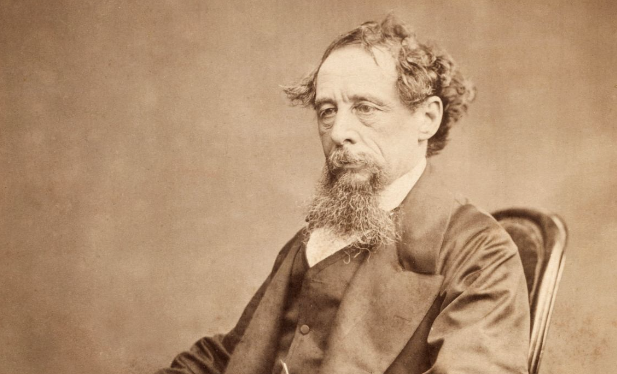
Charles Dickens, one of the most prominent literary figures of the Victorian era, expressed not just the struggles and triumphs of adulthood but also the profound impacts of childhood trauma. His works provide readers with a vivid portrayal of how early experiences shape one’s character and future. This blog post delves into the often-painful depictions of childhood trauma as seen through Dickens’s renowned characters.
1. The Hardships of Orphanhood
Many of Dickens’s characters, such as Oliver Twist, exemplify the traumatic experiences of living without parental guidance or support. In “Oliver Twist,” the protagonist faces hardships in a workhouse followed by a life of crime and exploitation. Dickens challenges the reader to consider the emotional scars left by such early deprivation and how they can affect the choices and trajectories of children. The stark realities of orphanhood serve as a critique of society’s neglect towards vulnerable populations.
Moreover, Oliver’s experiences raise awareness about the institutional failures that disregard orphaned children’s rights. Dickens uses this narrative to advocate for social change, emphasizing empathy and compassion. The journey of Oliver Twist reflects countless real-life stories of children who navigate trauma alone, making it not just a tale of fiction but a social commentary on a broader scale.
-
- Recognize signs of trauma in children.
-
- Encourage open conversations about feelings and experiences.
-
- Advocate for children’s rights and welfare in your community.
-
- Support organizations that work with at-risk youth.
2. The Impact of Class Struggle
In novels like “David Copperfield,” Dickens highlights how class struggle contributes to childhood trauma. David’s journey from a poverty-stricken home to eventual success illustrates the harsh realities faced by children born into lower socioeconomic classes. His traumatic experiences include bullying, parental neglect, and the loss of loved ones, which shape his character throughout the story. These challenges compel young characters to grow tougher, reflecting the resilience taught through adversity.
Furthermore, Dickens meticulously details how societal structures contribute to the emotional neglect experienced by children of the impoverished. The narrative displays moments of kindness and support, but they are often shadowed by the overwhelming despair that permeates the lives of lower-class families. This intricate framing invites readers to acknowledge how socioeconomic status directly affects a child’s mental health and wellbeing.
-
- Identify the societal factors affecting childhood development.
-
- Encourage mentorship programs that support disadvantaged youth.
-
- Raise awareness about homelessness and poverty in your locality.
-
- Participate in community outreach to support struggling families.
3. The Consequences of Abuse and Neglect
In Dickens’s works, child abuse and neglect are frequent themes that leave deep psychological scars on the characters. For example, in “Great Expectations,” Pip’s upbringing in an abusive household leads to his feelings of worthlessness and constant striving for approval. The emotional turmoil experienced by Pip illustrates the long-lasting effects of both physical and emotional neglect on a child’s psyche. Such narratives reveal how trauma influences personal development and relationships in adulthood.
Additionally, Dickens portrays how children like Pip internalize their trauma, affecting their self-esteem and perceptions of the world. The portrayal of his growth emphasizes the importance of understanding the roots of these issues and recognizing how they can manifest in later life. Dickens not only tells a story but provides insights into the healing process, illustrating that understanding one’s past is crucial for overcoming pain.
-
- Foster a safe and supportive environment for children.
-
- Encourage positive role models and healthy relationships.
-
- Provide access to professional help when dealing with trauma.
-
- Encourage discussions about traumatic events and recovery strategies.
In conclusion, Dickens’s vivid portrayal of childhood trauma invites readers to reflect on the long-lasting impact of early experiences. By understanding these narratives, we can better support children facing similar challenges today. Consider reaching out to local organizations or professionals to learn how you can contribute to healing and support for vulnerable youth in your community.