
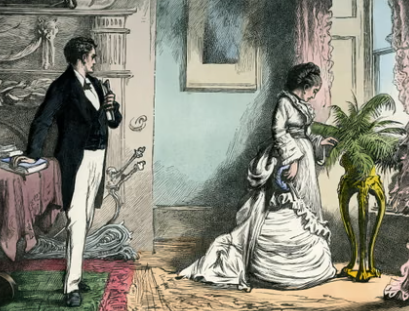
Charles Dickens is widely regarded as one of the greatest novelists of the Victorian era, but his mastery of storytelling goes beyond character development and societal commentary. One of his most compelling techniques is the cliffhanger ending, a form of suspense that leaves readers eagerly anticipating what comes next. This blog post will explore the art of cliffhanger endings in Dickens’ works and the impact they have on readers.
1. Understanding Cliffhangers in Dickens’ Works
Cliffhangers are narrative devices designed to create suspense by leaving a story unresolved at the end of a chapter or section. Dickens employs this technique masterfully, prompting readers to stay engaged and eager to find out what happens next. For example, in “Oliver Twist,” Dickens introduces unexpected twists, such as Oliver’s capture, leading to heightened tension and emotional investment. The unresolved fates of characters provoke questions that linger long after closing the book.
This approach is not merely for shock value; it serves a deeper function in Dickens’ narratives. By withholding resolutions, Dickens encourages readers to ponder the moral dilemmas faced by his characters and reflect on broader social issues. The cliffhanger as a literary tool thus becomes a means of engaging with themes such as class disparity, justice, and redemption in a way that resonates far beyond the final pages.
-
- Identify moments in your writing where tension could be heightened.
-
- Consider employing unresolved plot points as a form of engagement.
-
- Use strong emotional stakes to make cliffhangers effective.
-
- Break up your narrative structure to create anticipation.
2. The Psychological Impact of Cliffhangers
The use of cliffhanger endings not only sustains interest but also impacts reader psychology in significant ways. Dickens understood that leaving readers in suspense mimics the uncertainty of life itself. This mirrors real-life experiences where outcomes are often ambiguous, creating relatability and layering deeper emotional connections to the text. For instance, in “Great Expectations,” Pip’s uncertain path to becoming a gentleman keeps readers guessing about his fate, allowing them to form a personal investment in his journey.
<pMoreover, cliffhangers invoke curiosity and urgency, compelling readers to turn pages faster in search of answers. This tension creates a reading experience that can be both exhilarating and frustrating; a delicate balance that Dickens masterfully navigates. Each cliffhanger serves as both a challenge and a lure, drawing readers into a world where they are not merely passive observers but active participants in the unfolding drama.
-
- Analyze how unresolved conflicts affect character development.
-
- Experiment with cliffhangers in your writing to maintain reader interest.
-
- Reflect on how suspense can mirror real-life experiences.
-
- Consider pacing when placing cliffhangers in your narrative.
3. Crafting Your Own Cliffhanger Endings
If you are an aspiring writer seeking to incorporate cliffhangers into your own narratives, studying Dickens’ techniques can provide invaluable insights. Start by crafting compelling character arcs that readers become invested in; this investment is crucial for making the stakes matter. For example, in “A Tale of Two Cities,” the fate of Charles Darnay hangs in the balance, making readers desperate to know if he will escape the guillotine.
<pAdditionally, think about how you can reveal just enough information to tantalize, while keeping essential details hidden. A well-placed revelation at the end of a chapter can create an emotional jolt and provoke intense curiosity. Think of ways to escalate tension quickly, but remember not to resolve conflicts too early—force your readers to wait for the payoff.
-
- Build emotional stakes that readers care about.
-
- Reveal new, tantalizing hints that raise questions without providing answers.
-
- Test reader patience by delaying resolutions in your narrative.
-
- Tailor cliffhangers to fit the overall tone of your story.
4. The Legacy of Dickens’ Cliffhangers
The impact of Dickens’ cliffhangers is far-reaching, influencing not just literature but also television and cinema. Their ability to evoke anticipation and keep audiences on the edge of their seats has set a precedent for how stories are told in modern media. This influence can be seen in popular series like “The Walking Dead” and “Game of Thrones,” where cliffhangers heighten narrative engagement, mirroring Dickens’ techniques.
-
- Explore how cliffhangers have evolved in modern storytelling.
-
- Consider your personal responses to cliffhangers while reading or viewing.
-
- Reflect on your experiences with unresolved narratives and their impact.
-
- Analyze how various media employ cliffhangers to engage audiences.
In conclusion, Dickens’ art of cliffhanger endings offers a rich tapestry of storytelling that resonates through time. By incorporating suspense and emotional investment into your own writing, you can harness this technique to engage and captivate your audience. Start experimenting today and invite readers into your world of unresolved stories and tantalizing possibilities!