
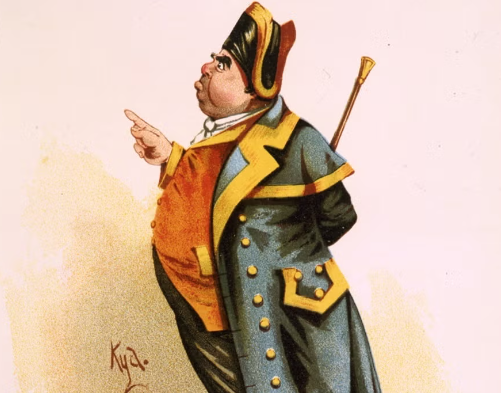
Charles Dickens is celebrated not just for his storytelling but also for his remarkable ability to create memorable characters, often through their unique names. Names in Dickensian literature often reflect the personality, profession, or fate of his characters, making them an integral part of the narrative. This post delves into the art of character naming in Dickens’ works and offers insights into how those names contribute to the overall impact of his stories.
1. The Significance of Names in Dickens’ Works
In Dickens’ novels, a character’s name often serves as the first impression and encapsulates their essence. For instance, consider Ebenezer Scrooge from “A Christmas Carol.” The name “Ebenezer,” meaning “stone of help,” contrasts starkly with Scrooge’s miserly and unhelpful behavior. Similarly, names such as Mr. Bumble in “Oliver Twist” and Uriah Heep in “David Copperfield” effectively hint at their respective natures; Bumble’s bluster and Heep’s obsequiousness are conveyed not just through actions but also through clever nomenclature.
Moreover, Dickens often employed names to reflect societal issues or moral lessons. For example, the character of Mr. Gradgrind in “Hard Times” symbolizes a rigid, utilitarian approach to education, focusing solely on facts. The very name “Gradgrind” suggests a trodden-down nature of learning devoid of imagination and warmth. Through such distinctive names, Dickens invites readers to ponder deeper social critiques embedded in his characters.
-
- Reflect on the character’s personality when choosing a name.
-
- Consider cultural or historical references that resonate with the character’s role.
-
- Make sure the name is memorable and unique.
-
- Think creatively about wordplay that conveys character traits.
-
- Ensure the name has a thematic connection to the story.
2. Dickens’ Use of Satire and Humor in Naming
A defining characteristic of Dickens’ naming conventions is his use of satire and humor. Names like Mr. Pickwick and Miss Havisham encompass both whimsy and critical commentary. Mr. Pickwick embodies joviality and folly, representing the genteel yet misguided nature of his pursuits. In contrast, Miss Havisham, with her haunting and peculiar name, carries a weight of tragic humor—the result of her frozen moment in time amid heartbreak.
These playful yet meaningful names serve to enhance the narrative while allowing readers to engage with complex themes. For instance, the character of Mr. Murdstone from “David Copperfield” evokes a sense of foreboding with a name that suggests darkness and cruelty. Through such examples, Dickens showcases how humor and satire in character naming can amplify emotional depth and social critique.
-
- Use humor to create memorable, relatable characters.
-
- Employ satire to critique societal norms and behaviors subtly.
-
- Encourage readers to think critically about character dynamics.
-
- Integrate playful language while maintaining thematic consistency.
-
- Draw inspiration from real life or historical dupes for comic effect.
3. The Role of Names in Character Development and Transformation
Additionally, Dickens uses names as tools for character evolution. The transformation of Pip in “Great Expectations” illustrates this concept beautifully. Initially called “Pip,” a diminutive name suggesting innocence and vulnerability, he later evolves into Philip Pirrip—his full name—signifying his maturation and social ambitions. This juxtaposition of a simple boy’s name with a more complex adult identity demonstrates how names can mark significant turning points in a character’s journey.
Furthermore, Dickens often revisits names, allowing them to resonate with the characters’ growth. Take for instance the shift in attitudes of characters like David Copperfield, who grows from a timid boy into a self-assured writer. The connection between his name and his experiences emphasizes the significance of growth, marking milestones in both personal development and narrative arc. Through such strategies, Dickens enriches readers’ understanding of character changes over time.
-
- Map out your character’s journey to align their name with their development.
-
- Choose names that imply potential for growth or change.
-
- Reflect back on names throughout the narrative to evoke memories of character shifts.
-
- Consider the implications of names at various stages of character evolution.
-
- Use name changes cautiously but meaningfully for maximum impact.
In conclusion, names in Dickens’ literature are much more than mere labels; they embody traits, satirical wit, and transformations of characters. By choosing names thoughtfully, writers can create richer narratives, inviting readers to delve into the profound significance behind each character’s identity. Consider how the art of naming can enhance your own storytelling and engage your audience in new and imaginative ways.