
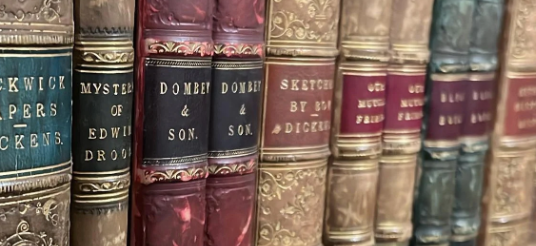
Charles Dickens remains one of the most celebrated authors in English literature, renowned for his vivid characters and intricate plots. His works can be divided into early and late novels, each reflecting different themes, styles, and societal concerns that mirror his own life journey and the evolving landscape of Victorian England.
1. The Early Novels: Social Commentary and Character Development
In Dickens’s early novels, such as “Oliver Twist” and “David Copperfield,” the focus falls heavily on social issues and the harsh realities of life for the impoverished. “Oliver Twist,” published in 1837, depicts the grim experiences of orphaned children and critiques the workhouse system. Dickens portrays deeply sympathetic characters and their struggles against a backdrop of societal neglect. The narrative often intersperses humor and pathos, making these serious themes accessible to a broad audience.
His character development is particularly noteworthy in “David Copperfield,” which is often considered semi-autobiographical. Through David’s experiences, Dickens explores themes of resilience, identity, and the impact of social class. Dickens’s early works employ rich, engaging narratives that bring attention to pressing social issues while still providing a gripping story filled with memorable individuals.
-
- Read early Dickens novels to understand his views on social injustice.
-
- Observe how characters evolve through adversity.
-
- Note Dickens’s distinctive writing style, especially his use of humor.
-
- Consider the historical context when interpreting the story.
2. The Late Novels: Maturity and Complex Themes
As Dickens matured as a writer, his later novels, such as “Great Expectations” and “A Tale of Two Cities,” show a shift toward more complex themes and character relationships. In “Great Expectations,” published in 1860, themes of social mobility, personal ambition, and the nature of expectations become central. The protagonist, Pip, embarks on a journey from humble beginnings to a life of wealth, only to discover the hollowness that often accompanies social advancement. This serves as a deeper commentary on human nature and societal values.
Furthermore, in “A Tale of Two Cities,” published in 1859, Dickens intricately weaves together personal and political narratives. The backdrop of the French Revolution allows him to explore themes of sacrifice, resurrection, and the duality of human experience. The opening line, “It was the best of times, it was the worst of times,” encapsulates the contradictions between social upheaval and personal redemption, making it a poignant reflection of its time.
-
- Explore the deeper themes of identity and morality in late novels.
-
- Focus on how character relationships evolve and affect the story.
-
- Examine how historical contexts influence narratives in these works.
-
- Reflect on Dickens’s writing style and its maturation over time.
3. The Evolution of Style and Perspective
One of the most fascinating aspects of comparing early and late Dickens novels is the evolution of his writing style. Early on, Dickens often employed a more serialized style, emphasizing cliffhangers and dramatic tension, which was essential in keeping readers engaged one chapter at a time. His vivid descriptions and diverse cast of characters became iconic, showcasing his ability to create relatable and larger-than-life personas.
In his later works, however, Dickens’s prose becomes more refined, with a greater focus on narrative structure and psychological depth. Characters are not just representations of societal issues but are complex individuals facing moral dilemmas. This evolution reflects Dickens’s own growth as a writer and thinker, as he grappled with more profound philosophical questions about humanity and society.
-
- Identify changes in writing style between early and late novels.
-
- Consider how characters reflect societal changes over time.
-
- Pay attention to the pacing and structure of the narratives.
-
- Look for recurring themes that illustrate Dickens’s worldview.
4. Impact on Literature and Society
The impact of both early and late Dickens novels on literature and society is undeniable. Dickens’s early novels not only highlighted social injustices but also brought awareness to the plight of the disenfranchised, influencing social reforms and movements during his time. Works like “Oliver Twist” and “Hard Times” have inspired adaptations and discussions about child labor, poverty, and injustice that resonate even in today’s socio-political climate.
Conversely, his later works continued to affect literary styles and themes, ushering in a more profound exploration of human nature. Novels like “Great Expectations” and “A Tale of Two Cities” offered insights into personal struggles against social tides, shaping the narrative techniques and themes of subsequent writers. Dickens’s unique blend of humor, tragedy, and moral reflection has paved the way for modern storytelling in both literature and film.
-
- Analyze how Dickens’s early work prompted social change in Victorian society.
-
- Consider how his later works influenced modern literature and character development.
-
- Research adaptations of his novels and their impact today.
-
- Engage in discussions about the societal issues he addressed in his time.
In summary, comparing early and late Dickens novels unveils a richer understanding of his evolution as a writer and thinker. The journey from social commentary to intricate character studies reflects profound societal changes and offers timeless insights into the human experience. To deepen your understanding, consider reading novels from both periods and explore how they resonate with contemporary issues today.