
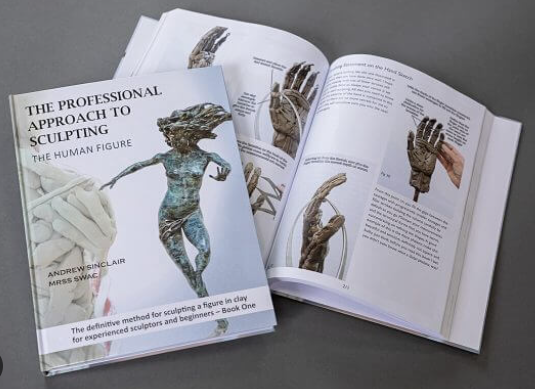
Modelling and Sculpting the Human Figure has earned its reputation as a classic because it addresses one of the most challenging subjects in art with precision and restraint. Its longevity is not based on trends or stylistic preferences, but on its unwavering focus on fundamentals that remain essential across generations of sculptors.
Timeless Focus on Fundamentals
At the core of the book is a commitment to proportion, structure, and anatomical logic. Rather than prescribing a specific artistic style, it teaches principles that can be adapted to realism, abstraction, or expressive sculpture. This flexibility allows the book to remain relevant regardless of changing artistic movements.
Clarity Over Complexity
What distinguishes this book from many modern guides is its refusal to overcomplicate. Complex anatomical relationships are broken down into understandable sculptural forms. This clarity makes the book accessible to beginners while still offering depth for advanced artists who wish to refine their understanding.
Influence on Sculpture Education
The book has been widely used in academic settings, workshops, and private studios. Its instructional tone mirrors the traditional atelier system, emphasizing observation, repetition, and disciplined practice. As a result, it has shaped how figure sculpture is taught and learned around the world.
Enduring Relevance in a Digital Age
Even with the rise of digital sculpting and 3D modeling, the principles taught in this book remain essential. Understanding physical form, balance, and anatomical rhythm translates seamlessly into digital workflows, reinforcing the book’s status as a true classic.