
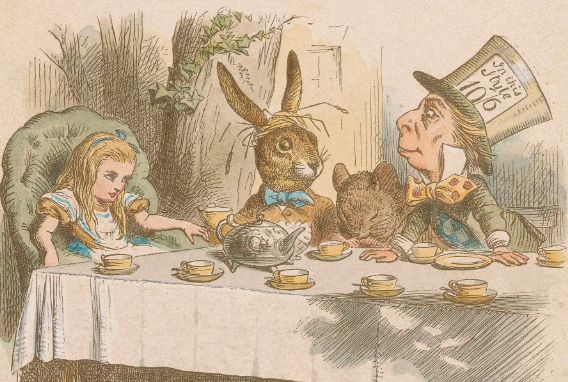
Tracing the origins of “Alice in Wonderland” reveals the intricate tapestry of creativity that brings together storytelling, imagination, and cultural context. Understanding this literary classic not only enhances appreciation for its whimsical charm but also sheds light on the broader themes of childhood and curiosity. The story’s backdrop is as enchanting as its characters, making its origins a worthwhile journey for readers of all ages.
Historical Context and Cultural Background
“Alice’s Adventures in Wonderland,” written by Lewis Carroll (the pen name of Charles Lutwidge Dodgson), was published in 1865 during the Victorian era. This period was marked by significant social and cultural changes, influencing literature in profound ways. The rise of children’s literature and the growing fascination with fantasy provided fertile ground for Carroll’s imaginative tale. Moreover, the shifting landscapes of education and childhood philosophy during this time sparked a yearning for stories that challenged the logic and conventions of adult society.
Inspiration Behind the Characters
The characters in “Alice in Wonderland” are as memorable as they are peculiar, often reflecting real-life figures and the influences around Carroll. Alice herself was inspired by a young girl named Alice Liddell, the daughter of a family friend. Carroll’s playful interactions with Alice and her sisters during boat trips sparked the initial storytelling adventure. Other characters, such as the Cheshire Cat and the Mad Hatter, embody societal quirks and contradictions, each representing parts of the human experience that resonate deeply with readers, thus making the tale timeless and relatable.
Literary Techniques and Themes
Carroll employed various literary techniques that contribute to the story’s enduring legacy. Notably, his use of wordplay, nonsensical logic, and vivid imagery adds layers of meaning and invites readers to engage their imagination. Themes of identity and transformation are prevalent throughout the narrative; as Alice navigates her absurd journey, she frequently questions her own identity and place within the world. The blurring of reality and fantasy encourages readers to reflect on their own perceptions and the whimsical chaos of life.
Delve deeper into the world of “Alice in Wonderland” and explore how its origins continue to inspire adaptations and reinterpretations today. Such journeys into literature not only enrich our understanding but also invite us to embrace our own sense of wonder. Happy reading!