
The Gothic Elements in Jane Eyre
The exploration of Gothic elements in “Jane Eyre” by Charlotte Brontë not only captures the essence of the novel but also enhances our understanding of its complex themes. This distinctive interplay of darkness, mystery, and psychological intensity invites readers to delve deeper into the characters’ emotional landscapes.
Gothic Motifs: The Setting and Atmosphere
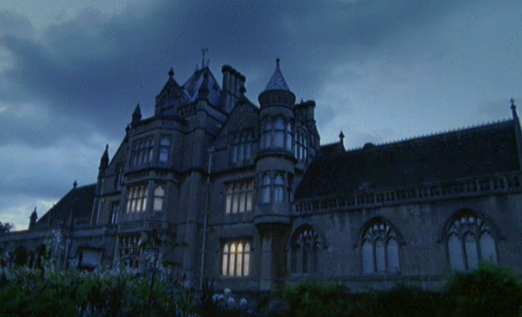
One of the most prominent Gothic motifs in “Jane Eyre” is its atmospheric settings. Thornfield Hall, with its imposing architecture and hidden secrets, serves as a symbolic backdrop for the narrative. The eerie presence of the attic, where Bertha Mason is confined, enhances the novel’s tension and mystery. The stormy landscapes and the constant threat of isolation heighten the sense of foreboding, typical of the Gothic genre. This creates a rich, immersive environment that reflects Jane’s internal struggles and societal constraints.
Psychological Torment and Identity
Another key element of Gothic literature is the exploration of psychological torment, which is evident in Jane’s journey. From her traumatic childhood at Gateshead to her tumultuous relationship with Mr. Rochester, Jane faces numerous emotional challenges. The duality of her character is amplified by the presence of Bertha Mason, who represents Jane’s suppressed desires and societal restrictions. This Gothic layer deepens the emotional complexity of the narrative, as readers witness Jane grapple with her identity and search for belonging amidst despair.
Themes of Isolation and Imprisonment
Isolation and imprisonment are recurrent themes in “Jane Eyre,” aligning closely with Gothic tradition. Jane’s early life at Gateshead and later experiences at Thornfield highlight her feelings of alienation. Bertha’s confinement serves as a parallel to Jane’s own struggles, representing the larger societal constraints placed on women in the Victorian era. The psychological implications of isolation are vividly portrayed, conveying both the physical and emotional boundaries that the characters must navigate. This theme resonates powerfully with readers, inviting them to reflect on concepts of freedom and self-actualization.
In conclusion, the Gothic elements in “Jane Eyre” enrich the narrative and enhance its exploration of identity, societal constraints, and psychological complexity. By examining these dimensions, readers can gain a deeper appreciation for Brontë’s masterful storytelling. For those interested in uncovering more nuances in this timeless classic, diving into its Gothic motifs may bring new insights into the struggles and triumphs of Jane’s character. Happy reading!