
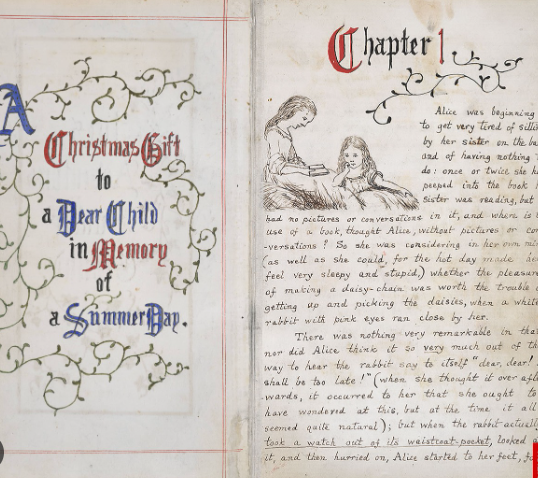
Revisiting the original “Alice in Wonderland” novel provides valuable insights into its themes, characters, and the creativity of Lewis Carroll, whose work continues to captivate audiences of all ages. This timeless tale invites readers to explore a whimsical world filled with intriguing logic and profound philosophical reflections. Engaging with the narrative arms us with better understanding not just of the story itself, but of the various interpretations and adaptations it has inspired over the years.
Character Exploration
Each character in “Alice in Wonderland” serves a unique purpose, offering depth to the story and reflecting various aspects of society and human behavior. Alice represents curiosity and innocence, often challenging the bizarre norms of Wonderland. The Mad Hatter and the Cheshire Cat introduce themes of madness and identity, prompting readers to question what is real versus imagined. Understanding these characters deepens our appreciation for the narrative’s underlying commentary on growing up and facing life’s absurdities.
Thematic Elements
The novel is rich with themes such as the fluidity of time, the nature of reality, and the transition from childhood to adulthood. Carroll expertly plays with the concept of time, most famously illustrated with the March Hare and the Hatter’s endless tea party. These themes invite readers to reflect on their own perceptions and experiences, making “Alice in Wonderland” relevant even in contemporary discussions about identity and societal norms. This interplay between whimsy and seriousness is what makes the narrative so compelling.
Enduring Legacy
The legacy of “Alice in Wonderland” extends far beyond its pages; it has inspired countless adaptations in film, theater, and other art forms. Each reinvention brings new life and perspectives to Carroll’s story, engaging new generations while retaining the fantastical essence of the original. Analyzing these adaptations not only highlights how the narrative remains relevant but also reflects changing societal values and cultural dynamics. Recognizing this impact deepens our understanding of both the story and its significance in the broader literary canon.
In conclusion, revisiting “Alice in Wonderland” opens the door to a world of endless exploration and interpretation. Whether you’re encountering it for the first time or revisiting its pages, there’s always something new to discover. Dive deeper into this magical tale, and consider how its themes resonate with modern life—your next adventure awaits!