
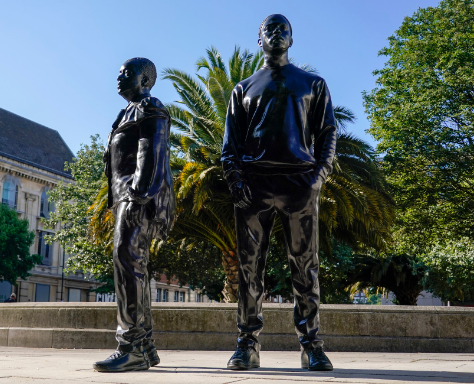
Public Art Insights from Public Sculpture of Britain
Public art plays a crucial role in enriching urban landscapes, expressing cultural identity, and fostering community engagement. In Britain, public sculpture stands as a testament to artistic innovation, history, and social commentary. This blog post delves into the significance and evolution of public sculpture in the UK, offering insights into the artists, ideas, and movements that have shaped this vibrant field.
1. The Historical Context of Public Sculpture
Understanding public sculpture in Britain begins with recognizing its historical roots. From the grand monuments of the Victorian era to contemporary installations, sculptures have traditionally served as markers of significant events, figures, or ideologies. These works not only celebrate history but also reflect the socio-political climate of their times. For example, the statue of Lord Nelson at Trafalgar Square symbolizes naval triumph, while modern pieces like Damien Hirst’s “The Physical Impossibility of Death in the Mind of Someone Living” provoke provocative conversations about mortality and art. This evolution showcases how public sculpture acts as a mirror to society’s changing values.
2. The Role of Public Sculpture in Community Engagement
Public sculptures are more than just aesthetic additions to our cities; they play a vital role in community engagement and dialogue. Many contemporary artists aim to create installations that encourage interaction among the public. For instance, Antony Gormley’s “Another Place,” with its many cast-iron figures along the coast of Crosby, invites viewers to reflect on their connection to the landscape and one another. This accessibility fosters a sense of ownership and pride within communities, encouraging locals and visitors alike to appreciate and engage with their surroundings. Such interactions are essential for building a sense of identity and belonging.
3. Challenges and Controversies in Public Art
While public sculpture can inspire and engage, it is also rife with controversy. Debates often arise regarding commissioning, representation, and the appropriateness of certain subjects. For example, the recent removal of statues representing colonial figures has sparked national discussions about race, history, and representation. Critics argue about who gets to decide what art deserves a permanent place in public. These challenges highlight the need for ongoing dialogue about the role of public art in reflecting inclusive narratives that represent diverse voices. By confronting these issues, communities can move toward more inclusive and representative public art practices.
In conclusion, the world of public sculpture in Britain is rich with historical resonance, community significance, and ongoing challenges. Exploring this art form can deepen our understanding of culture and history while prompting us to consider how we engage with public spaces. To learn more about specific artists or current projects, consider visiting local exhibitions or taking guided tours of public art installations in your area. Engaging with public art opens new avenues for appreciation and understanding, making our cities more vibrant and connected.