
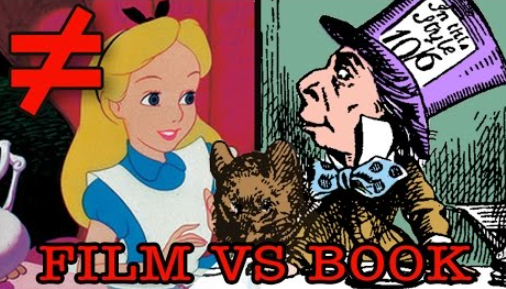
Understanding the nuances between “Alice in Wonderland” and “Alice’s Adventures in Wonderland” can deepen our appreciation of this literary classic. Both titles refer to the same story, yet they encapsulate different aspects of Alice’s fantastical journey. Exploring these texts reveals layers of meaning and artistic interpretation that enhance the reading experience.
Origin and Structure
<p”Alice’s Adventures in Wonderland,” published in 1865, was the original work by Lewis Carroll. The narrative follows a young girl, Alice, who falls down a rabbit hole into a whimsical world filled with eccentric characters and perplexing scenarios. Later, in 1871, Carroll published “Through the Looking-Glass, and What Alice Found There,” which is often colloquially referred to as “Alice in Wonderland.” This sequel not only expands on Alice’s journey but also introduces new concepts, transforming the whimsicality of the first into a more intricate structure.
Thematic Elements
The themes of identity and transformation play pivotal roles in both works. In “Alice’s Adventures in Wonderland,” readers witness Alice grappling with her sense of self in a world where logic is inverted. Conversely, “Through the Looking-Glass” delves deeper into the nature of reality and perception, presenting a chess-board metaphor for life’s complexities. These contrasting themes invite readers to reflect on their own identities and the absurdities of life, making each work resonate on different levels.
Character Portrayals and Symbolism
Both tales feature a vibrant cast of characters, but their portrayals can vary significantly between the texts. For instance, the Queen of Hearts in “Alice’s Adventures in Wonderland” embodies sheer chaos and authoritarianism, while her counterpart in “Through the Looking-Glass” has a more strategic presence, reflecting the game-like structure of the sequel. Carroll’s use of symbolism also differs, with “Alice’s Adventures” focusing on playful disarray and “Through the Looking-Glass” exploring duality and reflection, capturing the essence of growing up and the subconscious challenges that come with it.
Exploring the distinctions between “Alice in Wonderland” and “Alice’s Adventures in Wonderland” enriches our understanding of these beloved narratives. Each work offers a unique perspective on identity, transformation, and the absurd, inviting readers to embark on their own whimsical adventures. Dive deeper into the world of Alice and discover the layers of meaning that make her story timeless!