
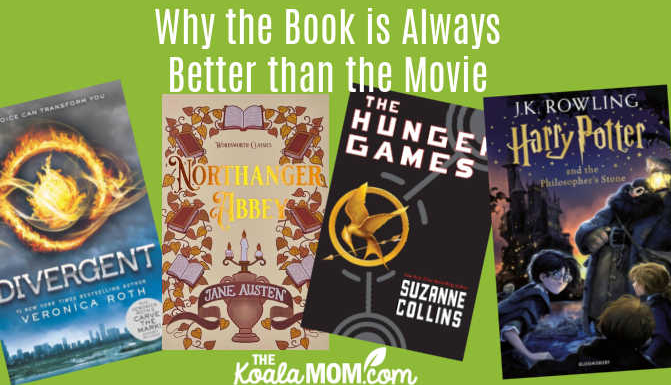
Books have a unique way of immersing readers in rich narratives, complex characters, and expansive worlds. When a beloved book is adapted into a movie, it can spark debates about which version truly captures the story’s essence. Here’s a look at some popular titles that fans believe shine brighter on the page than on the screen.
1. The Great Gatsby
F. Scott Fitzgerald’s “The Great Gatsby” is a staple of American literature, exploring themes of wealth, love, and the American Dream. While the film adaptations have visually dazzled audiences, critics argue they’ve failed to capture the book’s intricate prose and character depth. The book delves deeply into Gatsby’s motivations and the moral decay hidden beneath the opulent glitz of the Roaring Twenties, which often gets glossed over in film adaptations.
The 2013 adaptation starring Leonardo DiCaprio offers extravagant visuals and a modern soundtrack, which some fans appreciated. However, many argue that it detracted from Fitzgerald’s poetic language and thematic subtleties. Readers who revel in the book’s lyrical narrative are often left longing for the psychological insights present on the pages that don’t make it to the screen.
-
- Re-read significant passages to appreciate the depth of the story.
-
- Watch the film after reading to observe the differences closely.
-
- Discuss the character motivations with friends who have read the book.
-
- Consider the historical context of the Jazz Age to understand the themes better.
2. Eragon
Christopher Paolini’s “Eragon” launched a new generation of fantasy readers with its epic tale of dragons and adventure. The book presents a rich lore and detailed character development that fans adored. However, the 2006 film adaptation was met with disappointment, as many felt it hurriedly condensed the plot and overlooked critical character arcs.
Fans of the book appreciated Paolini’s extensive world-building, which included the history of the land of Alagaësia. In contrast, the film struggled to convey that depth, leading to confusion among viewers unfamiliar with the book. The vibrant relationships, particularly between Eragon and his dragon, Saphira, were not fully explored, leaving audiences wanting more emotional connection and narrative richness.
-
- Create a reading schedule to finish the series before watching adaptations.
-
- Engage with online communities for fan theories and discussions.
-
- Take notes on character development while reading.
-
- Explore fan-made adaptations and interpretations for a different perspective.
3. The Time Traveler’s Wife
Audrey Niffenegger’s “The Time Traveler’s Wife” combines romance and sci-fi in a unique love story marked by time travel intricacies. The novel’s structure, told from alternating perspectives, allows readers to experience the emotional depth of the characters as they navigate the challenges of an unpredictable timeline. Unfortunately, the film adaptation fell short in conveying the novel’s emotional weight and complexity.
The movie struggled to encapsulate the nuances of Henry’s and Clare’s relationship over time, as the book beautifully portrays the struggles and joys of their love across different stages in life. Fans often feel that the film’s straightforward narrative failed to capture the book’s enchanting, surreal quality, which is essential to understanding the characters’ profound experiences and feelings.
-
- List out the key differences between the book and the movie.
-
- Reflect on how the narrative timeline affects character development.
-
- Engage in discussions with friends about the emotional nuances of the characters.
-
- Consider reading more works by the author for similar themes.
4. The Hitchhiker’s Guide to the Galaxy
Douglas Adams’ “The Hitchhiker’s Guide to the Galaxy” is a quintessential sci-fi comedy that has entertained millions. The witty prose and absurd humor have become legendary among readers. While the 2005 film adaptation brought some aspects of the story to life, many fans considered it a diluted version of the book, mainly sacrificing Adams’ distinctive voice and humor for a more conventional cinematic experience.
Fans of the book appreciate the lengthy, philosophical asides and absurd situations that the movie compressed for time constraints. The film changes some character dynamics and undertones that are pivotal in the book, and while it introduced the story to new audiences, it often did not resonate with die-hard fans who cherished the original’s quirks.
-
- Read the book before watching any adaptations for full enjoyment.
-
- Note down favorite quotes that capture the book’s humor.
-
- Engage with fan forums to see varying perspectives on the adaptations.
-
- Rewatch the film with an open mind to appreciate its merits despite differences.
5. Percy Jackson & the Olympians: The Lightning Thief
Rick Riordan’s “The Lightning Thief” introduced young readers to Greek mythology through the eyes of Percy Jackson, a relatable hero facing extraordinary challenges. The book’s blend of humor, adventure, and mythology made it a favorite. However, the film adaptation received backlash for straying too far from the source material, leading to disappointment among devoted fans.
One of the main issues fans pointed out was the age discrepancy; the characters in the book are much younger than those portrayed in the film. The nuances of the characters’ journeys and their relationships were also sidelined, leading to a more generalized storyline that missed the original’s charm and heartfelt moments. Fans of the book often share anecdotes of how the characters resonated with them during their formative years, emphasizing how the film adaptation failed to capture this essential connection.
-
- Join a local or online book club focused on young adult literature.
-
- Compare character characterizations by making character maps.
-
- Keep an eye out for upcoming book-to-film adaptations to see if they stay true to the source.
-
- Engage with fan art and creative content that celebrates loyal interpretations of the books.
In conclusion, while movie adaptations of cherished novels can provide a visual representation of beloved stories, they often miss the intricate details that make the books special. For fans, diving into the original text can reveal layers of storytelling and character development that may be lost in translation. So grab your next read and experience the story in its purest form!