
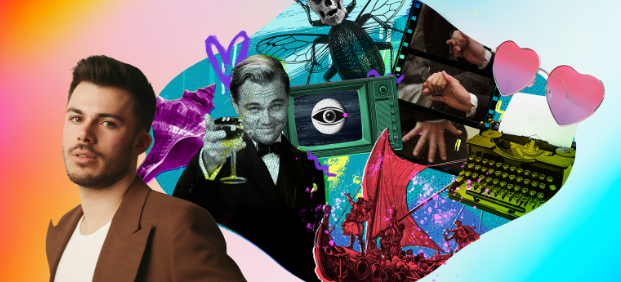
Books have the unique ability to capture our imaginations, and when they transition to film, the magic often amplifies. Some stories take on a life of their own, becoming cultural phenomena that shape conversations, trends, and even lifestyles. Let’s explore a few notable examples of this phenomenon.
1. The Lord of the Rings Trilogy
J.R.R. Tolkien’s epic fantasy series was originally published in the mid-20th century, but it was Peter Jackson’s film adaptations that truly made Middle-earth a cultural touchstone. The movies, released between 2001 and 2003, not only captivated audiences worldwide but also revitalized interest in Tolkien’s original texts. With stunning visuals, profound themes of friendship, sacrifice, and goodwill, the films became a cinematic landmark.
The storytelling was enriched by an all-star cast, including the likes of Ian McKellen, Elijah Wood, and Viggo Mortensen, who brought Tolkien’s richly drawn characters to life. The box office success of the trilogy undoubtedly led to a surge in fantasy literature, with many new authors inspired to create their versions of epic worlds. Today, “The Lord of the Rings” continues to influence film, literature, and popular culture.
-
- Read the original books for a deeper understanding of the character and plot nuances.
-
- Have a movie marathon to appreciate the visual storytelling and cinematic techniques.
-
- Explore fan theories and fan fiction that have emerged as a result of the films.
-
- Engage with the community by participating in discussions or events like cosplay.
2. Harry Potter Series
J.K. Rowling’s “Harry Potter” series changed the landscape of children’s literature and sparked a global phenomenon when adapted into films starting in 2001. The story of a young boy discovering his wizarding heritage resonated deeply with audiences of all ages, creating a lasting impact that extended far beyond the books and movies. The franchise has generated merchandise, theme parks, and even a stage play, “Harry Potter and the Cursed Child.”
Each movie captured the growth of its characters, paralleling the themes of friendship, bravery, and the battle between good and evil. The films not only brought in a new generation of readers but also instilled a love for reading and storytelling in many young people across the globe. The allure and magic of the series have led to an ongoing cultural conversation around its themes, and it remains a significant part of contemporary literature and cinema.
-
- Visit the Wizarding World in theme parks for an immersive experience.
-
- Participate in book clubs that focus on discussing the themes and morals of the series.
-
- Organize or attend events like trivia nights based on the Harry Potter universe.
-
- Explore the detailed backgrounds of secondary characters in the book series.
3. The Great Gatsby
F. Scott Fitzgerald’s “The Great Gatsby” has undergone several adaptations over the years, with the most notable film version released in 2013, directed by Baz Luhrmann. This adaptation rejuvenated interest in the Jazz Age while effectively blending Fitzgerald’s timeless narrative with modern cinematic techniques. The richly designed visuals and a contemporary soundtrack offered a fresh take on the classic story of love, ambition, and the American Dream.
Leonardo DiCaprio’s portrayal of Jay Gatsby captivated new audiences, reigniting discussions about themes including wealth, class disparity, and desire. The film’s lavish style and poignant commentary on the American Dream positioned the novel firmly in modern cultural discussions, making it relevant to contemporary issues of materialism and identity. The contrasting styles of the 1920s and contemporary eras in the film invite reflection on both the past and the present.
-
- Read the novel to appreciate the depth and nuance of Fitzgerald’s writing.
-
- Attend themed parties or gatherings that celebrate the roaring twenties.
-
- Debate the film’s interpretations of the novel and their implications for modern society.
-
- Explore the historical context of the 1920s, including its cultural and social dynamics.
4. To Kill a Mockingbird
Harper Lee’s “To Kill a Mockingbird” is a powerful narrative that addresses serious themes such as racial injustice and moral growth. The 1962 film adaptation further solidified the book’s place in American literature, bringing its poignant message to a broader audience. Gregory Peck’s portrayal of Atticus Finch became an iconic image of integrity and justice, inspiring many to stand against discrimination and inequality.
The film adaptation played a crucial role in bringing the issues of race and civil rights into societal discussions in the 1960s and continues to engage audiences even decades later. Its themes are still relevant today, making it a frequent subject in classrooms and public forums aimed at stimulating dialogue around morality, empathy, and social justice.
-
- Organize viewings in educational settings to enhance understanding of racial issues.
-
- Engage in community discussions or workshops that explore the themes within the story.
-
- Support film adaptations that maintain and promote the original book’s message.
-
- Reflect on modern parallels regarding moral choices and social justice inspired by the characters.
The transition of books into film adaptations often creates ripple effects that extend far beyond mere entertainment. From sparking social conversations to influencing new cultural trends, these narratives resonate deeply and continue to shape our collective experiences. If you’re inspired to explore these stories further, consider diving into the original texts or joining community discussions about their themes and characters.