
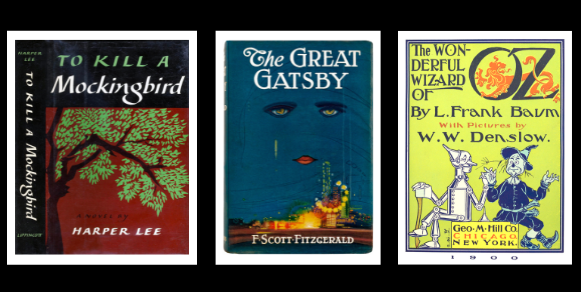
Historical novels have a unique way of bringing the past to life, and their compelling narratives often attract attention from filmmakers. Many adaptations manage to capture the essence of the original stories, enriching the viewing experience. In this exploration, we’ll uncover some of the best historical novels that have made a significant leap from page to screen.
1. “Pride and Prejudice” by Jane Austen
“Pride and Prejudice,” originally published in 1813, is one of Jane Austen’s most beloved novels. Its social commentary and exploration of love and class structures in early 19th-century England have translated beautifully into film adaptations. The 2005 movie featuring Keira Knightley and Matthew Macfadyen is perhaps the most recognized, bringing a fresh take on Lizzy Bennet and Mr. Darcy’s tumultuous relationship.
Fans appreciate the intricacies of character development and the authentic portrayal of the period’s societal norms. The film’s cinematography showcases the stunning English countryside, enhancing the visual storytelling. This novel and its adaptations remind viewers of the timeless qualities of love, humor, and misunderstandings.
-
- Read the novel before watching the film for deeper insights.
-
- Take note of key themes, such as social class and personal growth.
-
- Compare different adaptations to see how each interprets the source material.
-
- Check out historical context to enrich your understanding of the story.
2. “The Book Thief” by Markus Zusak
“The Book Thief,” set in Nazi Germany, tells the poignant story of a young girl named Liesel who finds solace in stealing books and sharing them with others. The novel, narrated by Death, explores themes of mortality and the power of words during tumultuous times. The 2013 film adaptation stays true to the emotional essence of the book, featuring standout performances by Sophie Nélisse and Geoffrey Rush.
One of the reasons this story resonates with many is its poignant approach to World War II’s horrors through the eyes of a child. The film does an excellent job of capturing the grim reality while emphasizing the resilience of the human spirit. This adaptation is a reminder of the role literature plays in both escapism and understanding adversity.
-
- Watch the film with tissues handy; it can be quite moving.
-
- Explore other World War II literature for a broader perspective.
-
- Discuss with friends the differences in storytelling between the book and film.
-
- Consider how the setting impacts character decisions in both mediums.
3. “Gone with the Wind” by Margaret Mitchell
“Gone with the Wind” is an iconic historical novel that captures the American South during the Civil War and Reconstruction era. Margaret Mitchell’s epic tale of Scarlett O’Hara, portrayed brilliantly by Vivien Leigh in the 1939 film adaptation, explores themes of love, loss, and survival against the backdrop of a divided nation. The film remains a classic, known for its grand scale and unforgettable performances.
The adaption has faced criticism over its portrayal of race and the romanticization of the South, making it a controversial yet important film to analyze. Despite its issues, it’s undeniable that both the book and movie have had a lasting impact on American culture and representations of the Civil War. Engaging with this story prompts discussions on historical accuracy and evolving societal views.
-
- Read critical essays discussing the racial themes in both book and film.
-
- Engage in conversations about the historical context of the Civil War.
-
- Watch documentaries about the period to gain perspective.
-
- Consider reading different takes on the same historical events for comparison.
4. “The Other Boleyn Girl” by Philippa Gregory
Philippa Gregory’s “The Other Boleyn Girl” details the life of Mary Boleyn, overshadowed by her sister Anne’s ambition and cunning. The novel offers a captivating glimpse into the royal court of King Henry VIII. The 2008 film adaptation stars Natalie Portman and Scarlett Johansson, bringing a dramatic flair to the turbulent family dynamics and the ever-looming court intrigue.
The film successfully captures the essence of political maneuvering and personal sacrifice within the historical narrative. Additionally, it illuminates how women’s roles were often defined by their relationships with men in a patriarchal society. The movie encourages viewers to reflect on issues of power, loyalty, and ambition, making it a thought-provoking watch.
-
- Delve into Tudor history to understand the social dynamics better.
-
- Evaluate how the film portrays the rivalry between Mary and Anne.
-
- Consider the importance of women’s voices in historical narratives.
-
- Research other adaptations of this era for a broader context.
5. “All the Light We Cannot See” by Anthony Doerr
Anthony Doerr’s Pulitzer Prize-winning novel “All the Light We Cannot See” weaves the stories of a blind French girl and a German boy during World War II. The novel paints a delicate portrait of humanity amidst the chaos of war. The 2024 film adaptation, set to bring this evocative narrative to life, has already generated significant buzz, promising rich visuals and heartfelt performances.
The story is significant for its exploration of human connection across cultural divides and the varying responses to conflict. The upcoming film adaptation is eagerly anticipated for its potential to visually represent the poignant themes of bravery and the indomitable spirit of youth amid adversity. Readers and viewers alike can expect a moving experience that embraces the beauty and sadness of life during wartime.
-
- Stay updated on the film’s release and reviews ahead of viewing.
-
- Engage with discussions on the implications of war on innocent lives.
-
- Read interviews with the author regarding the adaptation process.
-
- Reflect on personal experiences that resonate with the themes of the novel.
Exploring historical novels adapted into movies opens doors to deeper understandings of the past. Each adaptation offers its unique interpretation, giving viewers a chance to reflect on the complexities of history. Whether through literature or film, these stories invite us to confront the past and learn valuable lessons for the present and future.