
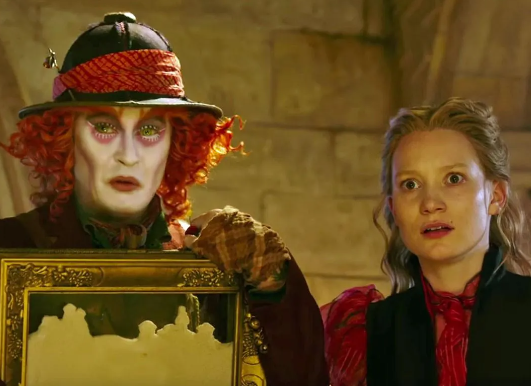
Many people cherish Lewis Carroll’s “Alice in Wonderland” and its sequel “Through the Looking Glass,” as they explore themes of identity, curiosity, and the nature of reality. These timeless tales captivate readers with their whimsical characters and nonsensical settings, offering not just entertainment but also profound insights into the human experience. Understanding these works enhances our appreciation of literature and the imaginative possibilities of storytelling.
The Origins and Impact of Alice in Wonderland
Published in 1865, “Alice in Wonderland” originated from a boat trip where Carroll, a mathematician and logician, crafted stories to entertain a young girl named Alice Liddell. This originality gave rise to a narrative that transcended age boundaries, inspiring countless adaptations in film, theater, and art. Its uniqueness lies in Carroll’s playful manipulation of language and logic, creating an absurd world that invites readers to question established norms and conventions.
The Journey Through the Looking Glass
<p”In Through the Looking Glass,” published in 1871, Alice encounters a world that reflects her own while challenging her understanding of time and identity. Unlike the first book, this sequel operates on the structure of a chess game, where Alice aims to become a queen. This thematic evolution highlights concepts of growth and self-discovery against a backdrop of fantastical characters like the Red Queen and the Jabberwocky, demonstrating the complexities of navigating adulthood and the often-absurd rules of society.
Thematic Elements and Symbolism
Both works are rich in symbolism, engaging with topics such as the fluidity of identity, the nonsensical nature of adult conventions, and the importance of imagination. Carroll employs vivid imagery and clever wordplay to challenge readers’ perceptions and prompt reflections on their realities. The characters, from the Cheshire Cat’s enigmatic grin to the Mad Hatter’s chaotic tea party, serve as vehicles for exploring the boundaries of logic, reason, and the irrationality of human behavior.
Whether you’re revisiting these beloved classics or encountering them for the first time, “Alice in Wonderland” and “Through the Looking Glass” offer a treasure trove of insights and delight. Dive deeper into the curious world of Alice and discover how these narratives still resonate today. Happy reading!