
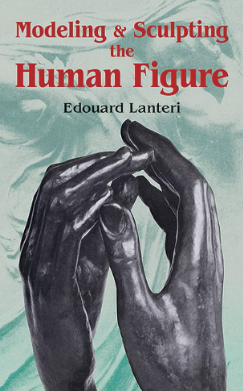
In the world of art and design, accurately modelling and sculpting the human figure is a fundamental skill that can elevate your work to new heights. Whether you’re an aspiring artist, animator, or simply curious about three-dimensional design, mastering the human form is essential for creating realistic characters and compelling narratives. This guide will introduce you to the basics of human figure modelling and sculpting, providing helpful tips to get started.
- Understanding Proportions and Anatomy
Before diving into modelling, it’s vital to understand the basic proportions of the human body. Artists often use the “head” method, where the human figure is measured in heads tall—typically around 7 to 8 heads in total for an adult male or female. Familiarizing yourself with anatomical landmarks, like the placement of joints and major muscle groups, can make modelling more intuitive. Resources like anatomy books and online tutorials can significantly enhance your understanding, giving you a solid foundation to work from.
- Choosing Your Medium
When starting with human figure modelling and sculpting, you need to decide on your medium. Common options include clay, digital software (like ZBrush or Blender), and even 3D printing. Each medium has its own set of advantages; for instance, clay allows for tactile learning and easy adjustments, while digital tools offer flexibility and the ability to work without physical constraints. Explore different materials to find what resonates with you. Don’t hesitate to experiment with various techniques, as this exploration can lead to unexpected and exciting results in your work.
- Building From Simple Forms to Complex Structures
A common approach in figure modelling is to start with basic geometric shapes—cylinders for limbs, spheres for joints, and blocks for the torso. This method simplifies the process and helps you focus on overall proportions before diving into details. Once you’re comfortable with the basic forms, gradually add complexity by refining the shapes, adding muscle definition, and incorporating facial features. This step-by-step process not only makes the task less daunting but also allows for continuous adjustment as you visualize the complete figure.
Conclusion
Modelling and sculpting the human figure can seem challenging at first, but with a little practice and patience, you’ll find that it becomes an enjoyable and rewarding endeavor. Remember, every artist starts as a beginner, and learning to capture the human form is a journey worth taking. So grab your tools, choose your medium, and start creating! If you’re eager to expand your skills further, dive into online courses or local workshops to connect with others in the field. Happy sculpting!