
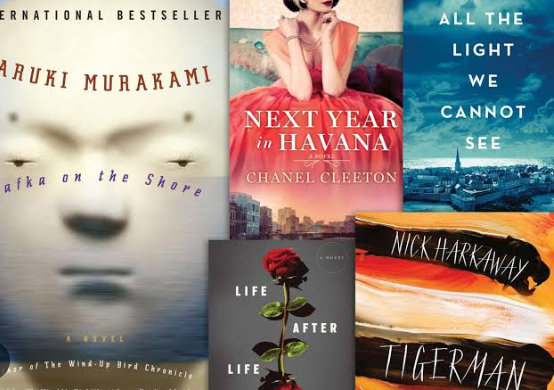
Books have always held a special place in the hearts and minds of creators, serving as a wellspring of inspiration for countless films. Many cinematic masterpieces have been directly adapted from literature, bringing rich narratives, complex characters, and deep themes to the silver screen. In this blog post, we will explore some iconic books that have significantly influenced modern cinema.
1. “The Great Gatsby” by F. Scott Fitzgerald
F. Scott Fitzgerald’s “The Great Gatsby” is a timeless novel that examines the decadence of the Jazz Age and the disillusionment of the American Dream. Its vibrant characters and elaborate settings have inspired several film adaptations, the most notable being Baz Luhrmann’s extravagant 2013 version. The film’s visual style mirrors the opulence of the Roaring Twenties, offering both romance and tragedy, much like the book. The themes of aspiration, love, and the mirage of wealth resonate deeply with modern audiences, making this story relevant even today.
What’s particularly fascinating about the novel is Fitzgerald’s skillful use of symbolism, such as the green light at the end of Daisy’s dock, representing Gatsby’s unreachable dreams. Filmmakers have embraced rich visual storytelling that captures these nuances, pushing the boundaries of cinematic expression. This adaptation showcases how literature can provide a framework for nuanced storytelling in film, and serves as a blueprint for visual and thematic richness.
-
- Read “The Great Gatsby” to appreciate its themes.
-
- Watch different adaptations to compare interpretations.
-
- Analyze the symbolism, such as the green light.
-
- Understand the historical context of the 1920s.
2. “One Hundred Years of Solitude” by Gabriel García Márquez
Gabriel García Márquez’s “One Hundred Years of Solitude” is a landmark in magical realism and has profoundly influenced filmmakers worldwide. Although it hasn’t been adapted into a feature film yet, its themes of time, memory, and solitude have permeated modern cinema. Directors such as Pedro Almodóvar and Guillermo del Toro have cited Márquez’s work as a source of inspiration, using elements of magical realism in their own films. The way Márquez blends the extraordinary with the ordinary invites filmmakers to experiment with narrative form and visual style.
The novel’s narrative structure, often jumping through generations of the Buendía family, has encouraged filmmakers to explore non-linear storytelling techniques. Such storytelling encourages viewers to piece together a more complex understanding of character arcs and themes. With its rich tapestry of emotion and intricate plotting, Márquez’s work inspires filmmakers to take creative risks, pushing the envelope of conventional narratives.
-
- Explore magical realism in film inspired by Márquez.
-
- Use non-linear storytelling in your writing projects.
-
- Discuss the themes of memory and time with fellow readers.
-
- Create visual representations of key scenes from the book.
3. “The Shining” by Stephen King
Stephen King’s “The Shining” is more than just a horror novel; it’s a profound exploration of isolation, addiction, and madness. Stanley Kubrick’s 1980 film adaptation remains a landmark in horror cinema. While the movie diverges from the book in several ways, its chilling atmosphere and character study are deeply rooted in King’s original narrative. Kubrick’s use of visual composition and sound design heightens the psychological tension and enhances the themes of insanity and isolation explored in King’s writing.
King’s novel delves deeply into the psyche of its characters, particularly Jack Torrance, whose descent into madness invites empathy and horror in equal measure. This psychological depth has influenced the portrayal of characters in horror films, guiding directors and screenwriters to develop more complex and flawed protagonists. The film’s iconic imagery, such as the twin girls and the blood-filled elevator, has become ingrained in popular culture, demonstrating how literature can lead to unforgettable cinematic moments.
-
- Read both the book and watch the movie for comparison.
-
- Discuss the character development’s impact on horror storytelling.
-
- Explore Stephen King’s writing style for building suspense.
-
- Analyze iconic scenes and their significance in film.
4. “Pride and Prejudice” by Jane Austen
Jane Austen’s “Pride and Prejudice” has been adapted for film and television numerous times, each bringing a fresh perspective to this classic tale of love and societal expectation. The most notable adaptations are the 2005 film featuring Keira Knightley and the BBC miniseries from 1995. Each iteration showcases the enduring appeal of Austen’s characters and themes, allowing modern audiences to connect with the social nuances and romantic entanglements. Austen’s sharp wit and keen observations provide fertile ground for screenwriters, making it a rich source for exploring gender dynamics and societal pressures.
The intricate relationships and period settings make adaptations a visual treat, successfully bringing the 19th-century world to life. The conversations and social manners that Austen crafted are translated into compelling visual dialogue, enriched by performance and cinematography. This novel reminds filmmakers of the importance of character-centered storytelling, showcasing how literature can breathe life into the complexities of human relationships.
-
- Watch different adaptations of “Pride and Prejudice”.
-
- Keep a journal to analyze character motivations.
-
- Discuss how societal norms affect relationships in both the book and adaptations.
-
- Explore how humor can be portrayed visually in film.
In conclusion, these influential books have carved out pathways for film adaptation, offering rich narratives, complexities of character, and emotional depth. Whether you are a book lover or a film enthusiast, exploring these literary works will provide greater insight into the art of storytelling across different mediums. Consider reading these classics, watching their adaptations, and diving deeper into their profound themes and symbolism.