
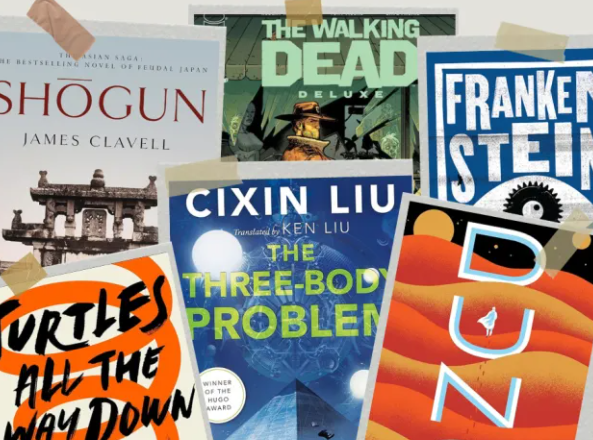
Books have always been a cornerstone of storytelling, but some stories gain an even larger audience when they make their way to the big screen. Film adaptations breathe new life into beloved novels, drawing in viewers who might not otherwise pick up a book. In this post, we will explore several famous books that skyrocketed in popularity due to their film adaptations and how these cinematic versions have transformed public perceptions of the original stories.
1. The Great Gatsby
F. Scott Fitzgerald’s “The Great Gatsby” is a quintessential American novel that captures the essence of the Roaring Twenties. When Baz Luhrmann adapted it into a film in 2013, the vibrant visuals and star-studded cast revitalized interest in the book. The film featured Leonardo DiCaprio, who portrayed the enigmatic Jay Gatsby, drawing a new generation to explore themes of love, wealth, and the American Dream.
The adaptation introduces heightened elements, such as a modern soundtrack and stunning visual effects, which helped emphasize the extravagance of Gatsby’s parties. This blend of historical narrative with contemporary flair made the themes more relatable to today’s audience. Interestingly, the film’s success subsequently spurred the publication of various editions of the book, complete with glamorous cover designs inspired by the film.
-
- Read the book to gain deeper insights into the characters’ motivations.
-
- Watch the film after finishing the novel to compare interpretations.
-
- Discuss the themes with friends to uncover diverse perspectives.
-
- Explore other adaptations, like the 1974 version starring Robert Redford.
2. The Shawshank Redemption
<p”Based on Stephen King’s novella “Rita Hayworth and Shawshank Redemption,” this poignant tale was transformed into a film in 1994. Although the film was not a box office success initially, it garnered critical acclaim and became a cult classic over time. The story follows Andy Dufresne, a banker wrongfully imprisoned, and highlights themes of hope, friendship, and resilience.
The movie’s success turned the original novella into a bestseller, introducing many to King’s broader body of work. The performances by Tim Robbins and Morgan Freeman added layers to the characters not fully captured in the text. As a result, the book’s narrative received renewed attention, allowing readers to dive deeper into the story’s rich emotional and thematic layers.
-
- Watch the film and take note of key scenes that differ from the book.
-
- Reflect on the symbolism present in both the film and the novella.
-
- Join book clubs to discuss themes like hope and friendship.
-
- Consider reading other King works that explore similar themes.
3. To Kill a Mockingbird
Harper Lee’s “To Kill a Mockingbird” is not only a powerful commentary on racial injustice but also a beloved children’s classic. Released as a film in 1962, directed by Robert Mulligan, the adaptation remains one of the most praised literary films ever made. Gregory Peck’s portrayal of Atticus Finch solidified the character’s iconic status, leading readers back to the novel and its crucial social themes.
The film adaptation spurred national discussions surrounding racial equality during a pivotal time in American history, making Lee’s novel more relevant than ever. The film’s classroom popularity encouraged educators to incorporate the book into school curricula, significantly impacting generations of students. Today, both the book and the film continue to inspire discussions on ethical behavior and justice.
-
- Engage in discussions about the themes of justice and morality.
-
- Explore the historical context in which both the book and film were made.
-
- Participate in community events that promote social justice.
-
- Study the differences between book and film portrayals of characters.
4. The Lord of the Rings
J.R.R. Tolkien’s epic fantasy saga “The Lord of the Rings” captivated readers long before Peter Jackson brought it to life on the big screen. The cinematic trilogy, starting with “The Fellowship of the Ring” in 2001, demonstrated groundbreaking special effects and brought a mass audience to Middle-earth. These films not only generated interest in the novels but also introduced a new era of fantasy in mainstream cinema.
The popularity of the films led to a resurgence in Tolkien’s works, with many new readers delving into the expansive lore found in the books. The intricate world-building and rich character development in the novels offer a depth that the films can only hint at. This has led to a thriving fan community that celebrates the stories through discussions, fan fiction, and conventions.
-
- Read the books for a more detailed understanding of the characters.
-
- Compare the book and film scenes to see what was adapted and changed.
-
- Join fan clubs or online forums to discuss the lore and character arcs.
-
- Explore Tolkien’s other works for a broader understanding of his world.
Film adaptations of books can revolutionize how audiences connect with stories, drawing attention to novels that might otherwise remain overlooked. Whether you’re revisiting old favorites or discovering new ones, engaging with both media can enhance your experience. Dive into the pages of these beloved books to appreciate the intricate narratives behind the screen adaptations!