
Disney has a long history of transforming beloved literary works into captivating animated and live-action films. These adaptations often breathe new life into timeless stories, luring audiences of all ages into magical realms. From classic fairy tales to modern-day favorites, the following books have all received the Disney treatment, showcasing the studio’s creative genius.
1. The Little Mermaid
Originally penned by Hans Christian Andersen in 1837, “The Little Mermaid” tells the poignant story of a young mermaid who sacrifices everything for love. Disney’s animated version, released in 1989, took a more romanticized approach, emphasizing themes of love and adventure. The character Ariel, with her red hair and adventurous spirit, quickly became a Disney icon, appealing to many young viewers around the globe.
Disney’s adaptation diverged from the original narrative, opting for a happier ending. In Andersen’s tale, the mermaid faces dire consequences for her choices, while Disney chose to portray Ariel’s journey as one of self-discovery and empowerment. This shift not only retained the magic of the story but also allowed audiences to engage with the characters on a deeper level.
-
- Read both versions of the story to appreciate the differences.
-
- Watch the animated film and consider how animation enhances storytelling.
-
- Explore merchandise or community events related to “The Little Mermaid.”
-
- Share your favorite scenes from the movie with friends for discussion.
2. Alice in Wonderland
Lewis Carroll’s “Alice’s Adventures in Wonderland,” first published in 1865, presents a curious young girl’s journey through a fantastical world filled with quirky characters. Disney’s animated film debuted in 1951 and has since become a staple of popular culture. This adaptation retains many iconic scenes and characters while injecting vibrant colors and memorable songs, making the story accessible to younger generations.
Disney’s “Alice in Wonderland” balances whimsy with life lessons, making it both entertaining and thought-provoking. The film’s animation brought Carroll’s imaginative dreamscape to life, introducing characters like the Mad Hatter and Cheshire Cat in ways that have become part of everyday vernacular. The striking visuals continue to inspire art, fashion, and a love for storytelling.
-
- Read the original book to explore its themes and intricate poetry.
-
- Try imagining your own version of a dreamland inspired by the book.
-
- Watch the 1951 Disney film and the 2010 live-action version for comparisons.
-
- Join book clubs or online discussions to delve deeper into the two adaptations.
3. The Jungle Book
Rudyard Kipling’s “The Jungle Book,” published in 1894, is a collection of stories featuring the adventures of Mowgli, a boy raised by wolves in the jungle. Disney took a unique approach with their animated film released in 1967, infusing the story with catchy musical numbers and memorable characters like Baloo the bear and Shere Khan the tiger. The film’s blend of adventure, humor, and heartfelt moments captures the essence of the original tales while making them enjoyable for children.
The Disney adaptation is notable not only for its entertainment value but also for its themes of friendship, loyalty, and the balance between nature and civilization. It presents Mowgli’s journey as a quest for identity, echoing the challenges of growing up. The film has since inspired numerous adaptations, including a 2016 live-action version, showing the enduring appeal of Kipling’s stories.
-
- Check out the animation techniques used in the original and current versions.
-
- Read the stories in “The Jungle Book” for a deeper understanding of the characters.
-
- Host a movie night featuring both adaptations to compare storytelling methods.
-
- Discuss the themes of nature versus nurture with friends or family.
4. Beauty and the Beast
“Beauty and the Beast,” based on the French fairy tale by Jeanne-Marie Leprince de Beaumont, arrived on the big screen in 1991 as Disney’s first animated feature to be nominated for Best Picture. The film explores themes of inner beauty and the importance of seeing beyond appearances. Through enchanting music and breathtaking animation, Disney created a world where love triumphs over prejudice.
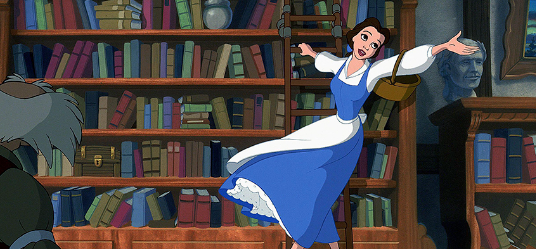
In this adaptation, Belle’s character is not only a beauty but also an intelligent young woman who yearns for adventure and independence. The relationship between Belle and the Beast symbolizes redemption and the transformative power of love, resonating deeply with audiences. The film’s popularity led to a live-action release in 2017, which brought a fresh perspective to the classic tale.
-
- Reflect on the moral lessons portrayed in both adaptations.
-
- Rewatch the animated version and note the evolution of its characters.
-
- Read the original “Beauty and the Beast” tale to spot key differences.
-
- Engage with merchandise or themed events to celebrate the story’s legacy.
Disney has a rich tradition of adapting literature into films that enchant and inspire. Each adaptation offers its own unique take while honoring the essence of the original work, allowing for new interpretations and discussions. Dive into these classic stories, analyze the adaptations, and enjoy the magic that comes from storytelling in all its forms.